Short Answer
The most common electric fence installation mistakes include poor grounding, undersized energizers, inadequate post spacing, improper wire insulation, and ignoring vegetation control. These errors reduce voltage, cause inconsistent shocks, and lead to fence failures even when the system appears correctly installed.
Why This Question Matters
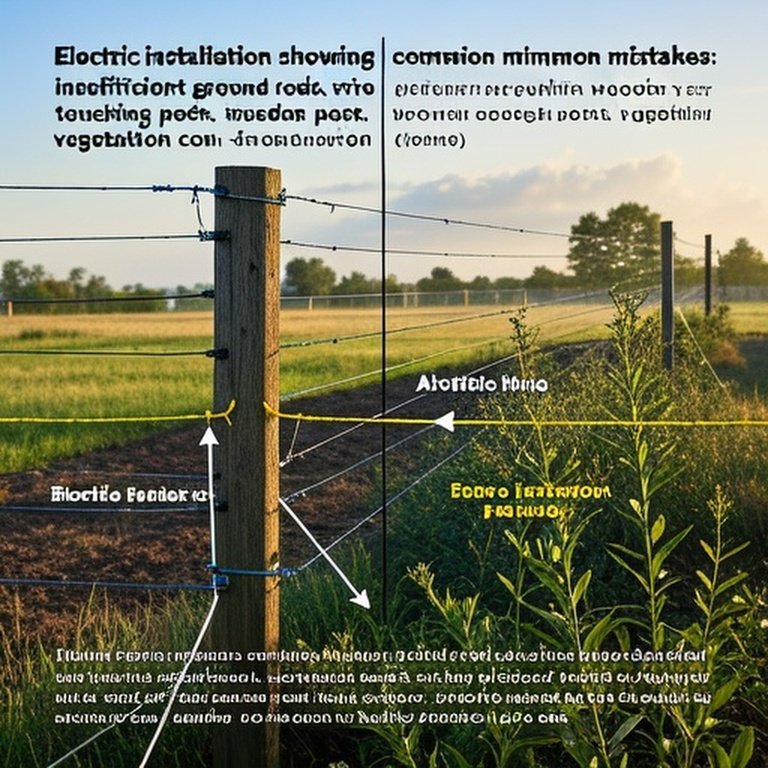
Electric fences often fail not because of bad equipment, but because of small installation mistakes that compound over time. Many installers assume higher voltage alone solves containment problems, overlooking grounding, wire routing, and layout planning. The result is livestock testing weak spots, predators pushing through, and repeated troubleshooting. Understanding what mistakes to avoid helps prevent wasted labor, unnecessary upgrades, and safety risks—especially in permanent or large-scale fencing systems where errors are costly to correct later.
Key Factors to Consider
- Grounding quality and soil conductivity
- Energizer size matched to real fence load
- Proper insulation at posts, gates, and connections
- Vegetation management along fence lines
- Fence layout aligned with terrain and animal behavior
Detailed Explanation
One of the most damaging mistakes is inadequate grounding. Even a powerful energizer cannot deliver an effective shock without a proper ground system. Too few ground rods, shallow installation, or dry soil conditions dramatically reduce performance. Many installers misdiagnose this as a weak energizer and overspend on upgrades that do not fix the underlying issue.
Another common error is underestimating total fence load. Energizers are often rated for ideal conditions, but real fences include splices, gates, vegetation contact, and multiple fence lines. Choosing an energizer based only on fence length without accounting for these factors leads to low voltage at critical points, especially at the far end of the fence.
Improper wire installation also causes problems. Using non-insulated wire where insulation is required, poor-quality connectors, or allowing wire to contact posts and vegetation creates constant energy leakage. These small losses add up and are difficult to detect without systematic testing.
Finally, layout and maintenance mistakes undermine even well-installed systems. Uneven terrain, poorly spaced posts, and ignored vegetation growth create pressure points animals exploit. Electric fences require regular inspection; treating them as “install once and forget” systems almost guarantees failure over time.
Grounding Mistakes That Cause Fence Failure
Most electric fence performance issues trace back to grounding systems that are too small, too shallow, or installed in dry soil.
Energizer Sizing Errors
Selecting an energizer without accounting for real-world fence load leads to weak shocks and inconsistent containment.
Wire, Insulation, and Connection Issues
Poor insulation, weak connectors, and wire contact with posts silently drain voltage across the entire system.
When This Works Well
- Grounding system sized correctly for energizer output
- Energizer rated well above minimum fence requirements
- Insulated wire used at gates and underground runs
- Vegetation regularly controlled along fence lines
When This Is Not Recommended
- Minimal grounding in dry or rocky soil
- Energizer operating near maximum rated capacity
- Fence lines with heavy vegetation and no maintenance plan
- Complex layouts without isolation or test points
Alternatives or Better Options
Professional System Design
Large or permanent installations benefit from professional layout planning to avoid costly structural mistakes.
Higher-Capacity Energizer with Margin
Choosing a stronger energizer than minimally required provides tolerance for future expansion and vegetation load.
Zoned Fence Systems
Separating long or high-load fence sections reduces voltage loss and simplifies troubleshooting.
Cost / Safety / Practical Notes
Most electric fence failures cost more to fix than to prevent. Ground rods, insulated wire, and quality connectors are inexpensive compared to repeated livestock losses or system rebuilds. For safety, always disconnect the energizer before repairs, label fence systems clearly, and follow local electrical codes. Regular voltage testing at multiple fence points is the fastest way to catch problems early and avoid major system breakdowns.
📍 Video Demonstration
Quick Takeaway
Most electric fence problems come from installation mistakes, not equipment quality—proper grounding, sizing, insulation, and maintenance matter more than voltage alone.