Short Answer
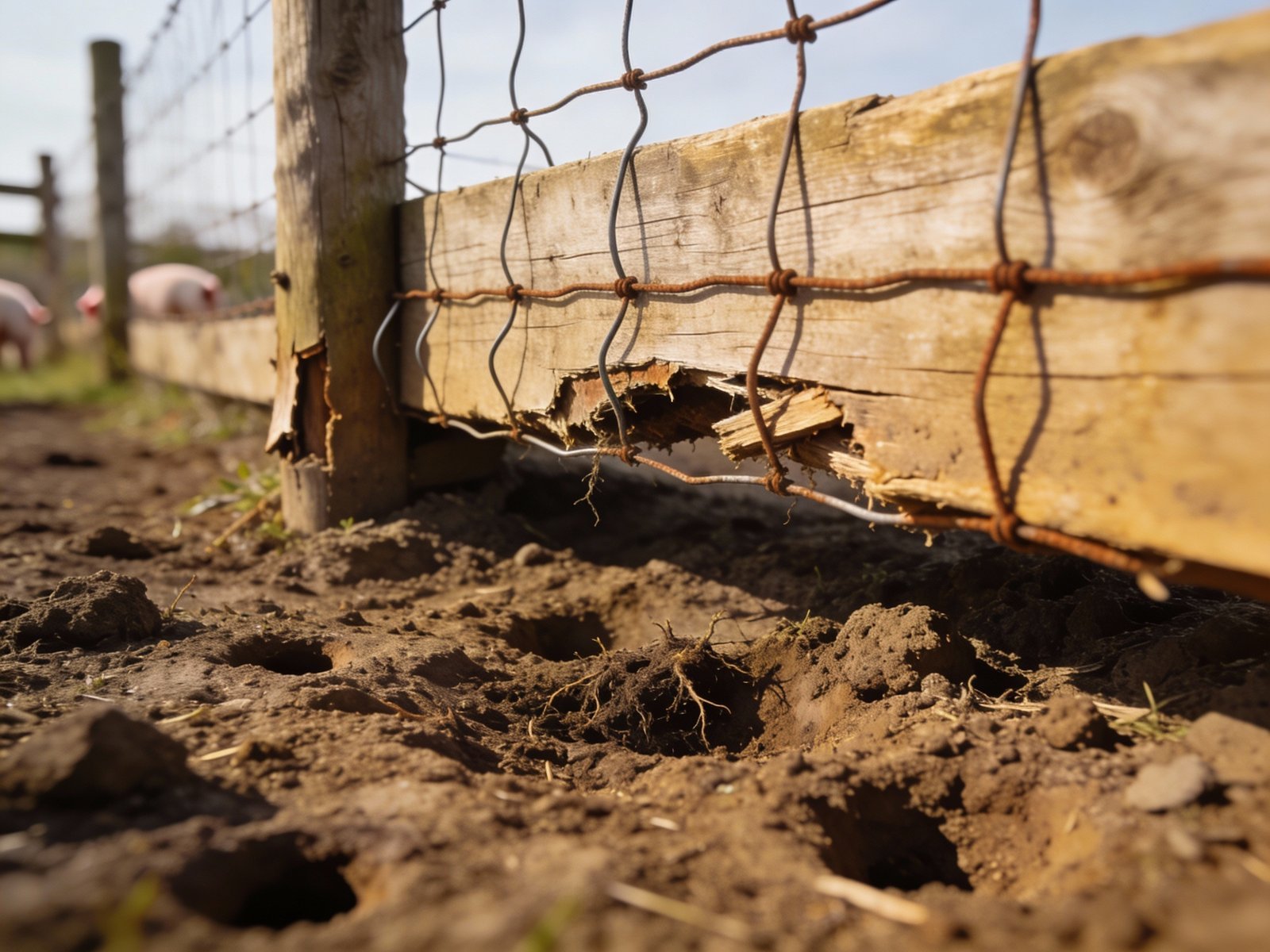
The most common pig fencing mistakes are underbuilding the bottom of the fence, spacing posts too far apart, relying on height instead of ground control, ignoring pig behavior, and delaying maintenance. Most pig escapes happen underneath or at weak ground-level points, not because fences are too short or pigs are unusually strong.
Why This Question Matters
This question usually comes up after a fence that “should have worked” fails. Many pig producers invest time and money into fencing that looks solid at first but quickly develops weak spots. Pigs then learn exactly where to push, lift, or root. Some people respond by adding more height or heavier materials, which increases cost without fixing the real issue. Others blame the pigs instead of the design. Understanding the most common mistakes helps avoid repeated rebuilds, unexpected escapes, neighbor complaints, and long-term frustration. Pig fencing failures are rarely random; they follow predictable patterns that can be avoided with better initial decisions.
Key Factors to Consider
- Pigs apply pressure at ground level, not along the top of the fence
- Fence failures usually begin at small gaps, not dramatic breaks
- Post spacing directly affects bottom tension and long-term stability
- Pig behavior reinforces weak spots once discovered
- Maintenance timing matters more than fence height or thickness
Detailed Explanation
Most pig fencing mistakes come from designing fences for appearance rather than behavior. Pigs do not test fences evenly. They focus on the ground line, especially where soil settles, erodes, or softens. When a fence looks straight and tall but lifts slightly at the bottom, pigs quickly discover that weakness. Once a pig succeeds even once, it will return to the same spot repeatedly, often bringing others with it. This is why many fences “suddenly fail” after appearing fine for weeks or months.
Another common mistake is excessive post spacing. Posts set too far apart allow fencing materials to sag or lift as the ground moves. This problem is amplified in wet, uneven, or high-traffic areas. Producers often underestimate how much movement occurs after installation, especially once pigs begin rooting nearby. The fence itself may be strong, but without adequate support points, it cannot stay tight where pigs test it most.
Relying on height instead of bottom control is another frequent error. Taller fences feel more secure psychologically, but pigs almost never escape by climbing or jumping. They escape by pushing under, lifting wire, or exploiting gaps created by erosion. Adding height increases cost without improving containment if the lower edge is not secure.
Finally, many fencing systems fail due to delayed maintenance. Small gaps are easy to fix early but become habitual escape points if ignored. Pig fencing works best when it is designed to tolerate movement and be adjusted regularly, rather than expected to remain perfect without attention.
Practical Extensions
How Fence Design Influences These Mistakes
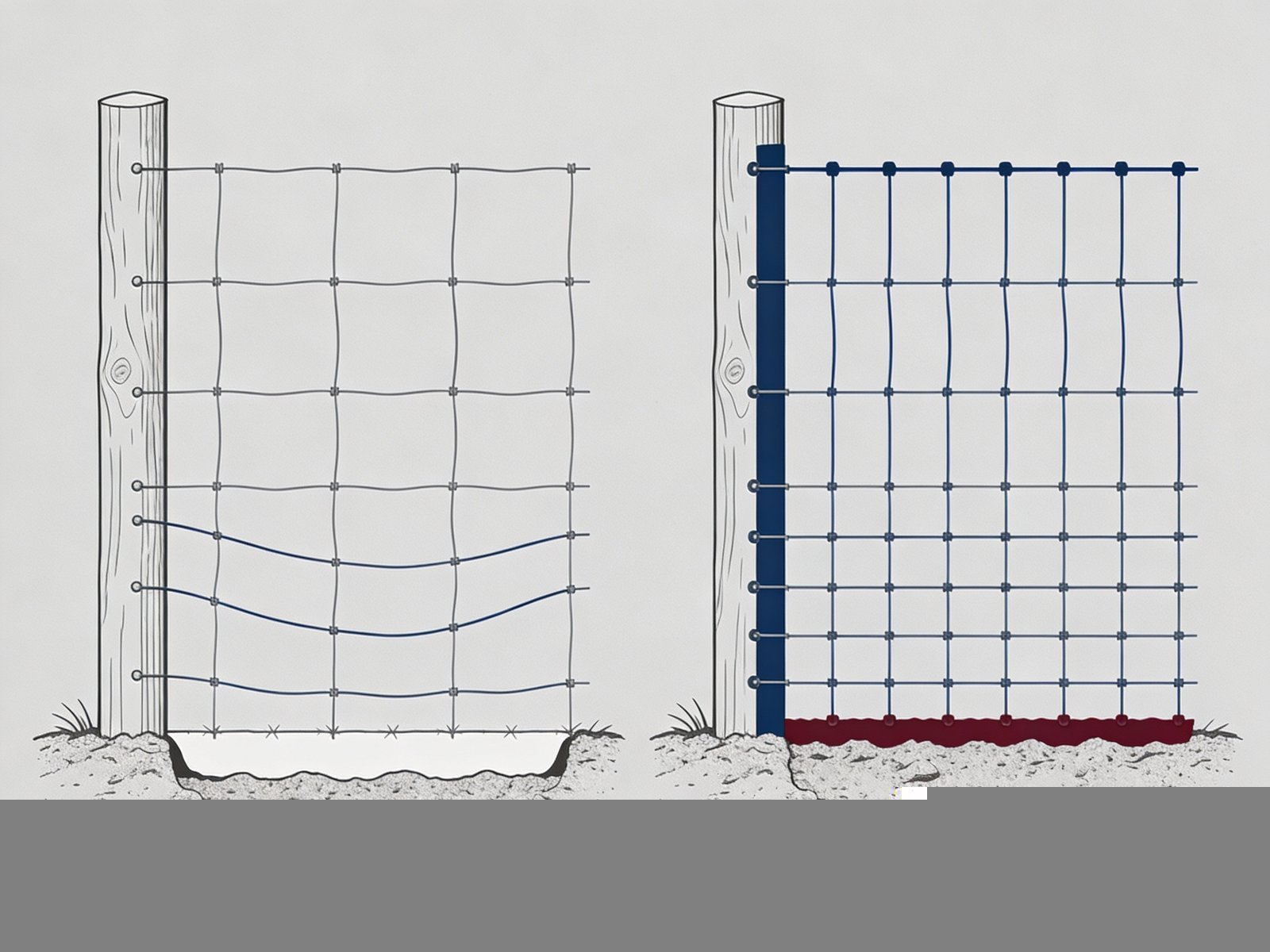
Fences that are rigid and straight are less forgiving when ground conditions change. On farms with slopes, seasonal moisture, or heavy pig traffic, rigid designs tend to fail at predictable low points. Flexible systems that follow the land and allow for adjustment reduce the impact of minor soil movement. Fence designs that assume stable ground often fail first in real-world conditions.
How Pig Behavior Magnifies Small Errors
Pigs are persistent problem-solvers. When they find a weak spot, they apply repeated pressure until it worsens. Unlike cattle or sheep, pigs use their snouts to lift and root, actively changing the ground beneath fences. A design that works “most of the time” often fails completely once pigs identify a vulnerability. This makes early mistakes more costly over time.
How Environment Turns Small Issues Into Failures
Mud, frost heave, erosion, and trampling accelerate fence degradation. What looks like a minor sag after installation can become a full escape route after a few wet cycles. Areas near feeders, waterers, and shelters experience faster ground movement and should never be treated like the rest of the fence line.
When This Works Well
- Fence bottoms remain tight and protected where pigs apply pressure
- Post spacing supports long-term tension at ground level
- Fence lines follow terrain instead of forcing straight runs
- Inspections happen after rain or heavy pig traffic
- Weak spots are reinforced early, not after escapes
When This Is Not Recommended
- Fence height is increased without addressing bottom gaps
- Posts are widely spaced to reduce upfront cost
- Rigid panels are installed on uneven or wet ground
- Maintenance is delayed until visible failure occurs
- Pig behavior is ignored during fence planning
Alternatives or Better Options
Bottom-Reinforced Fencing Systems
Fences designed with reinforced bottoms, such as low deterrent wires or pinned mesh, prevent pigs from initiating escapes. These systems focus effort where it matters most and outperform taller fences without bottom control.
Hybrid Physical and Electric Fencing
Combining a moderate physical barrier with low electric deterrents discourages pigs from testing the fence at all. This approach reduces pressure on materials and slows the development of weak spots.
Strategic Overbuilding in High-Pressure Zones
Instead of overbuilding the entire fence, reinforcing corners, slopes, gates, and wet areas delivers better results at lower total cost.
Cost, Safety, and Practical Notes
The most expensive pig fences are rarely the ones built too strong, but the ones rebuilt multiple times. Underbuilt bottoms and wide post spacing often lead to repeated repairs, labor costs, and animal losses. Escaped pigs pose safety risks near roads and neighboring properties and can damage crops or infrastructure. From a practical standpoint, fences that allow quick adjustment and re-tensioning save time and reduce frustration. Investing in correct design upfront usually costs less than fixing the same mistake repeatedly.
Video Demonstration
This video shows real-world examples of common pig fencing mistakes, how bottom gaps develop, and how proper spacing and ground-level control prevent escapes in pasture settings.
Quick Takeaway
Most pig fencing failures are caused by predictable design mistakes at ground level. Avoiding them is less about building bigger fences and more about building smarter ones where pigs actually test them.