Most problems with high-tensile wire fencing come from design, installation, or management mistakes—not the wire itself. Common issues include sagging lines, broken posts, poor grounding, livestock testing the fence, and uneven tension. Each problem has a clear fix when addressed at the system level rather than treating symptoms.
Why This Question Matters
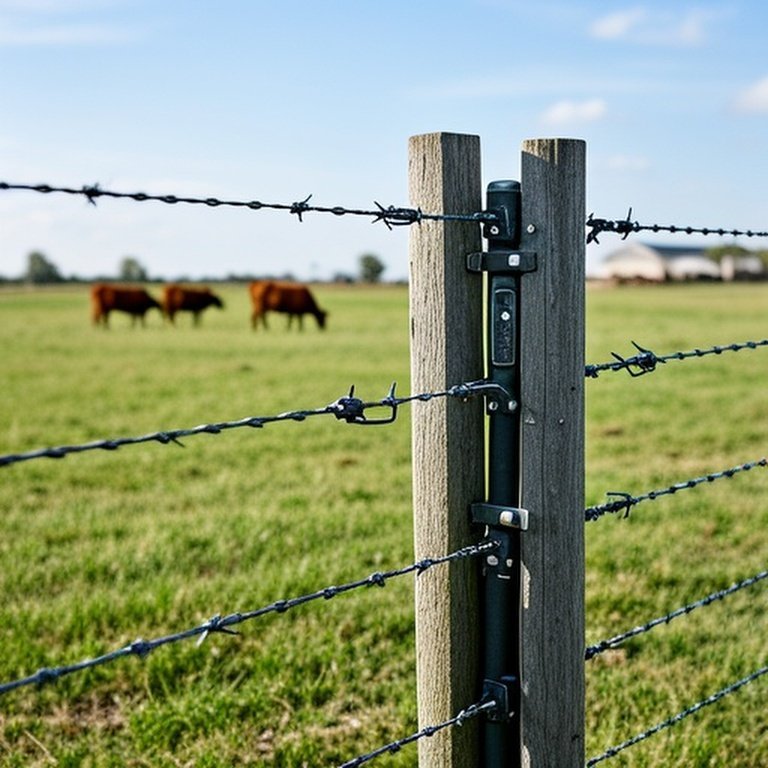
High-tensile wire fencing has a reputation for either being “maintenance-free” or “problem-prone,” depending on who you ask. The difference is almost always how the fence was built and managed. When problems appear, owners often tighten wire, add strands, or blame materials—making issues worse instead of better.
This question matters because understanding the root causes of failure saves time, money, and frustration. A properly diagnosed problem usually has a simple, permanent fix. A misdiagnosed one becomes a recurring expense.
Key Factors to Consider
- Structural design: corners and end braces carry most of the load
- Tension balance: uneven tension causes cascading failures
- Livestock pressure: behavior often triggers fence problems
- Terrain effects: slopes and soil stability change stress points
- Maintenance habits: delayed fixes allow small issues to spread
Detailed Explanation
The most common high-tensile wire problem is loss of tension. This is rarely caused by wire stretch. Instead, it usually comes from weak end assemblies, inadequate bracing, or posts shifting in unstable soil. Tightening the wire without fixing the structure only increases stress and accelerates failure. The correct fix is reinforcing braces, improving anchors, or resetting compromised posts.
Another frequent issue is livestock testing or leaning on the fence. This is often blamed on wire strength, but the real cause is behavioral. Non-electrified high-tensile fencing relies on physical resistance alone, which encourages animals to test it repeatedly. Adding electrification or correcting strand height typically resolves the issue faster than adding more wire.
Uneven ground clearance is another problem, especially on slopes or dips. As terrain changes, gaps form under the wire, inviting calves or smaller animals to attempt passage. The fix is not higher tension but adjusted post spacing, contour-following layout, or additional low strands where needed.
Finally, electrical performance problems—such as weak shock or intermittent voltage—are usually grounding issues, not energizer failures. Poor soil contact, insufficient ground rods, or vegetation contact reduces effectiveness. Proper grounding and vegetation control restore performance far more reliably than upgrading equipment.
In nearly all cases, high-tensile wire problems result from treating the fence as a material instead of a system. Fixing the system fixes the problem.
How Cattle Behavior Affects This Choice
Cattle behavior is the trigger behind many fence failures. Curious or pressured cattle test fences repeatedly, especially near feed, water, or gates. High-tensile wire withstands steady pressure well but suffers when animals learn they can push it without consequence.
Electrification changes behavior immediately. A fence that cattle respect experiences dramatically fewer structural issues. Without electricity, behavior must be managed through spacing, visibility, and pressure-zone reinforcement. In most cases, improving behavior control fixes problems faster than strengthening materials.
Calves vs Mature Cattle Considerations
Calves create different problems than adult cattle. They exploit gaps, crawl under wires, and move unpredictably. Problems attributed to “weak fencing” are often spacing issues. Adding or repositioning lower strands usually solves the problem.
Mature cattle apply more force and create failures at corners, ends, and downhill sections. These failures point to structural weaknesses, not wire limits. Designing for adult cattle from the start prevents repeated repairs as the herd matures.
Terrain, Visibility, and Pressure Zones
Terrain magnifies small mistakes. Slopes concentrate tension downhill, while dips create clearance gaps. Uniform post spacing across uneven ground is a common cause of repeated failures.
Visibility also matters. Thin wire is harder to see, increasing accidental contact and panic reactions. Markers or electric offsets reduce testing and stress. Pressure zones—gates, corners, feeding areas—should always be overbuilt. Most chronic fence problems originate in these locations.
When This Works Well
- Properly braced corners and end assemblies
- Electrified systems with good grounding
- Predictable livestock movement patterns
- Terrain-aware post spacing and layout
- Prompt repair of small structural issues
When This Is Not Recommended
- Poor soil without adequate anchoring
- Installations ignoring slope and pressure zones
- Non-electrified systems under heavy livestock pressure
- Delayed maintenance on structural failures
- Attempting fixes without addressing root causes
Alternatives or Better Options
Woven wire fencing reduces behavioral testing but increases material and maintenance costs.
Hybrid systems combining high-tensile wire with electric offsets or woven wire in pressure zones often eliminate recurring problems.
Flexible fencing systems may perform better in highly irregular terrain but usually cost more and require different maintenance strategies.
Cost, Safety, and Practical Notes
Most fixes for high-tensile wire fencing are structural or behavioral, not material upgrades. Investing in proper bracing, grounding, and layout reduces long-term costs far more than adding strands or tightening wire.
From a safety perspective, improper tension adjustments and weak structures increase risk. Practically, the cheapest fix is early intervention—small problems grow expensive when ignored. High-tensile fencing is reliable when treated as permanent infrastructure rather than temporary wire.
Quick Takeaway
Nearly all high-tensile wire fencing problems come from design, installation, or behavior issues—and nearly all can be fixed permanently by correcting the system rather than blaming the wire.