Short Answer
The most common problems with welded wire mesh fencing include broken welds, sagging sections, rust, ground gaps, and post failure. These issues usually stem from rigid wire under sustained pressure, poor installation, or inadequate corrosion protection. Most problems are preventable—or fixable—by reinforcing structure, improving tension control, and addressing pressure points early.
Why This Question Matters
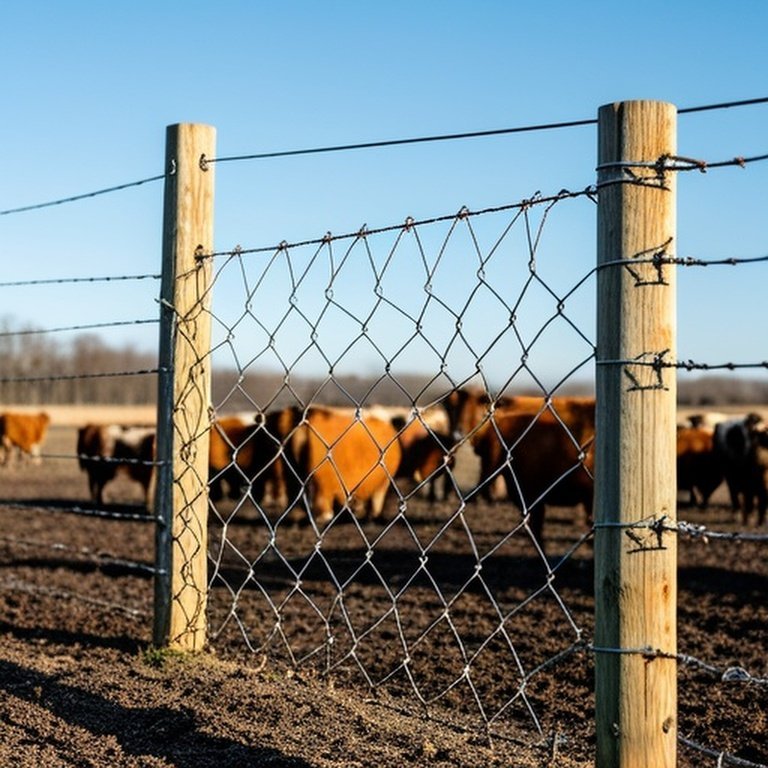
Welded wire mesh fences rarely fail all at once. Instead, small problems appear quietly and grow into major repairs or safety hazards. Broken welds can create escape points, sagging invites pressure, and rust weakens strength long before it’s obvious. Many owners replace entire fences when targeted fixes would have solved the issue. This question matters because understanding why these problems occur allows you to intervene early, extend fence lifespan, and decide whether welded wire mesh is appropriate for future installations.
Key Factors to Consider
- Rigid wire concentrates stress at weld points
- Post spacing and corner bracing control deformation
- Ground contact affects both predators and rust
- Coating damage accelerates corrosion
- Livestock pressure patterns determine failure locations
Detailed Explanation
The most common failure in welded wire mesh fencing is broken welds. Because the wire grid is rigid, pressure from livestock or environmental forces concentrates at weld intersections. When posts are spaced too far apart or corners are weak, welds fatigue and snap. The fix is structural: add posts, reinforce corners, and replace damaged sections rather than re-tensioning aggressively.
Sagging is another frequent issue. It usually results from under-supported spans or improper tension during installation. Unlike woven wire, welded mesh should be pulled straight but not stretched tight. Correcting sagging often requires installing intermediate posts and reattaching the mesh evenly rather than pulling harder.
Rust is a slow but serious problem. Once galvanization is damaged—often at cut edges, fasteners, or weld points—corrosion spreads quickly. Surface rust can be managed with coatings, but advanced corrosion usually requires section replacement. Prevention matters more than repair here.
Ground gaps form due to settling, erosion, or uneven terrain. These gaps compromise containment and predator control. Fixes include adding ground wire, burying an apron, or installing additional mesh at the base. Ignoring ground contact issues almost always leads to repeated breaches.
The short answer holds because welded wire mesh problems are predictable. They arise from rigidity meeting pressure. Fixes focus on redistributing stress and restoring structural support, not simply tightening or patching wire.
How Cattle Behavior Affects This Choice
Cattle apply slow, sustained pressure through leaning, rubbing, and crowding. Welded wire mesh does not absorb this force—it transfers it. Over time, pressure concentrates at the same welds and posts, causing fatigue and failure.
Problem areas often align with cattle behavior: feed lines, water points, shade, and corners. Fixes that ignore behavior—such as replacing mesh without adding structure—tend to fail again. Long-term solutions reinforce these zones or change fencing strategy entirely.
Calves vs Mature Cattle Considerations
Calves are lighter and less destructive, so problems develop slowly. Welded wire mesh can perform well in calf pens with minimal issues.
As cattle mature, the same fence may experience rapid deterioration. Weld breaks, sagging accelerates, and posts loosen. Fixes that worked for calves may not scale. This transition stage is where many fencing systems fail and where proactive reinforcement pays off.
Terrain, Visibility, and Pressure Zones
Uneven terrain creates bending forces welded mesh does not tolerate well. Low spots develop ground gaps; high spots pull on welds. Visibility helps reduce accidental collisions but does not reduce pressure.
Pressure zones—corners, gates, feeding areas—account for most failures. Reinforcing these areas early prevents repeated repairs and extends fence life significantly.
When This Works Well
- Interior fencing with predictable livestock movement
- Small pens or short fence runs
- Flat terrain with good drainage
- Regular inspection and maintenance routines
- Reinforced corners and pressure zones
When This Is Not Recommended
- Long perimeter fencing with cattle
- High-pressure feeding or watering zones
- Uneven terrain without stepped installation
- Low-maintenance operations
- Situations requiring flexible fencing
Alternatives or Better Options
Woven wire fencing tolerates pressure better and fails more gradually. High-tensile wire systems offer strength with flexibility when properly installed. Electric fencing reduces physical stress by modifying behavior instead of resisting force. For many recurring problems, switching systems costs less than repeated welded mesh repairs.
Cost, Safety, and Practical Notes
Fixing welded wire mesh problems early is far cheaper than replacement. Adding posts or bracing costs less than replacing long sections. Safety risks increase when broken welds create sharp edges or escape points. Practically, welded wire mesh demands ongoing attention. If frequent fixes are unacceptable, a different fencing system may offer better long-term value despite higher upfront cost.
Quick Takeaway
Most welded wire mesh fencing problems come from rigidity meeting pressure. Broken welds, sagging, rust, and ground gaps are predictable—and often preventable. Fixes work best when they add structure, reduce stress, and address behavior-driven pressure instead of simply tightening wire.