Composite fencing is a livestock fencing option made from blended synthetic materials designed to flex under pressure while maintaining structural strength. Compared to traditional wood or wire fencing, composite fencing offers lower maintenance, improved animal safety, and longer lifespan, though it typically comes at a higher upfront cost and may not suit all containment scenarios.
Why This Question Matters
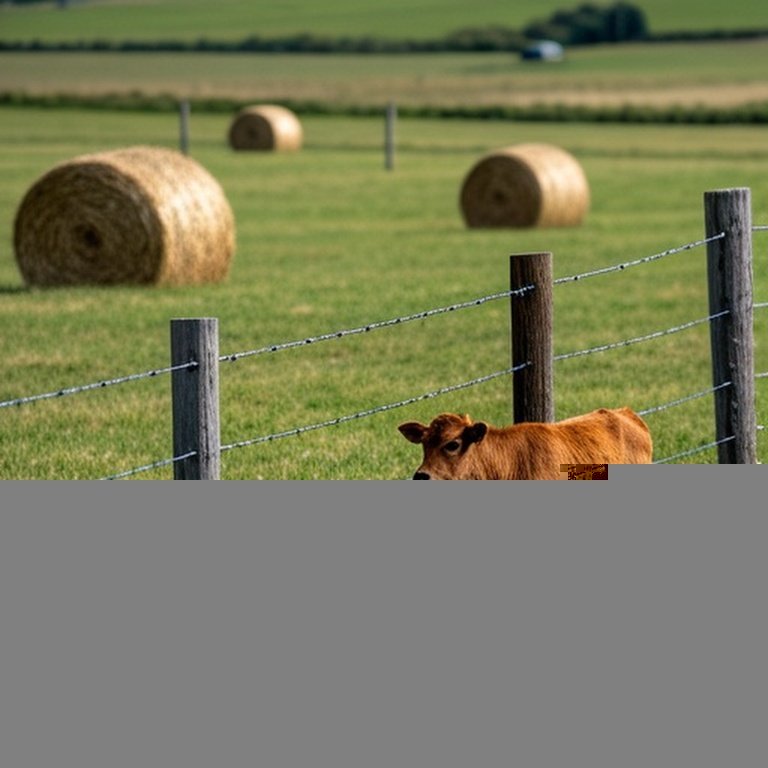
Choosing the wrong fencing material can lead to escaped animals, injuries, frequent repairs, and long-term cost overruns. Composite fencing has gained attention because it promises durability, flexibility, and reduced maintenance, but many livestock owners struggle to understand how it actually compares to familiar options like wood posts or wire systems.
This question matters because composite fencing is often marketed aggressively, yet its real-world performance depends heavily on livestock behavior, terrain, pressure points, and management goals. Understanding the differences upfront helps prevent overinvestment, underperformance, or mismatched expectations once animals are on the ground.
Key Factors to Consider
- Material behavior under pressure: whether the fence flexes, breaks, or permanently deforms
- Maintenance requirements: painting, tightening, corrosion control, or component replacement
- Animal safety profile: risk of cuts, entanglement, or panic-related injuries
- Longevity in outdoor conditions: resistance to moisture, UV exposure, and temperature swings
- Cost structure: upfront material cost versus long-term repair and replacement expenses
Detailed Explanation
Composite fencing refers to fencing systems made from engineered synthetic materials, often blending polymers with reinforcing fibers. Unlike wood, which is rigid and prone to rot, or wire, which relies on tension and metal integrity, composite fencing is designed to flex and return to shape when animals apply pressure. This flexibility reduces sudden breakage and minimizes injury risk, especially during spooking or herd movement.
Traditional wood fencing provides strong visual barriers and immediate rigidity, but it deteriorates over time due to moisture, insects, and mechanical stress. Posts crack, rails loosen, and repairs become recurring. Wire fencing, on the other hand, excels in cost efficiency and adaptability, but it depends heavily on correct tensioning and maintenance. Broken wires, sagging spans, and sharp ends introduce safety risks and ongoing labor.
Composite fencing positions itself between these two extremes. It offers a cleaner appearance than wire and more resilience than wood. Because composite materials do not rust, rot, or splinter, they maintain consistent performance across seasons. However, this consistency comes from engineered behavior rather than brute strength. Composite fencing is designed to absorb force, not resist it indefinitely.
This distinction explains both its advantages and its limits. In normal livestock pressure scenarios, composite fencing reduces damage and maintenance. In high-stress containment situations, however, it may require reinforcement or complementary systems. When evaluated honestly, composite fencing is neither a universal upgrade nor a gimmick—it is a specialized solution optimized for safety, longevity, and predictable behavior under load.
How Cattle Behavior Affects This Choice
Cattle interact with fencing differently depending on herd density, temperament, and familiarity with boundaries. Calm, pasture-trained cattle typically apply steady, predictable pressure rather than sudden force. In these conditions, composite fencing performs well by flexing and discouraging continued pushing. The fence “pushes back” without escalating the animal’s response.
However, excitable or newly introduced cattle may challenge fences aggressively. In those cases, composite fencing must be properly tensioned and supported, or paired with visual or electric deterrents. Unlike rigid wood rails, composite systems rely on behavioral feedback rather than brute resistance. Understanding cattle pressure patterns is essential, because composite fencing works best when animals respect boundaries rather than test them repeatedly.
Calves vs Mature Cattle Considerations
Calves and mature cattle impose very different demands on fencing. Calves are lighter, more curious, and more likely to test flexibility by pushing or leaning. Composite fencing can be effective here, as its flex discourages climbing or squeezing without causing injury. Visibility is particularly important, as calves rely on visual cues to recognize boundaries.
Mature cattle exert significantly more mass and sustained force. For them, composite fencing must be properly anchored, with post spacing and tension carefully planned. While composite materials can handle repeated pressure, they are not designed to replace structural posts or corner assemblies. The suitability depends less on age alone and more on stocking density and movement patterns.
Terrain, Visibility, and Pressure Zones
Composite fencing performs best on relatively consistent terrain where tension and alignment can be maintained. Rolling or uneven ground increases stress on flexible materials and may require additional posts or hybrid designs. Visibility also plays a major role. Composite fencing that is visually distinct reduces accidental pressure and testing behavior.
Pressure zones such as corners, gates, water access points, and feeding areas experience repeated force. In these areas, composite fencing often works best as part of a system rather than a standalone solution. Reinforcement at pressure zones preserves flexibility where it helps and rigidity where it is necessary.
Video Demonstration
When This Works Well
- Low to moderate stocking density with predictable livestock movement
- Farms prioritizing animal safety and reduced injury risk
- Operations seeking lower long-term maintenance than wood fencing
- Areas with high moisture, corrosion risk, or temperature fluctuation
- Perimeter or interior fencing where visual clarity reduces testing behavior
When This Is Not Recommended
- High-pressure containment without reinforcement or deterrents
- Aggressive or newly introduced livestock unfamiliar with boundaries
- Situations requiring rigid structural support without flexibility
- Budget-limited projects prioritizing lowest upfront cost
- Temporary fencing needs where rapid relocation is required
Alternatives or Better Options
High-tensile wire fencing offers superior containment strength at lower cost but requires precise installation and ongoing tension management. It suits large-scale operations focused on efficiency rather than aesthetics.
Traditional wood fencing remains effective for visibility and rigidity, especially near handling areas, but demands higher maintenance over time and presents higher injury risk when damaged.
Hybrid systems combining composite rails with electric or wire reinforcement often provide the most balanced solution, preserving safety while increasing containment reliability in pressure zones.
Cost, Safety, and Practical Notes
Composite fencing typically costs more upfront than wire and often more than basic wood systems. However, long-term expenses can be lower due to reduced repair frequency, minimal weather-related degradation, and improved safety outcomes. Fewer injuries translate into indirect cost savings through reduced veterinary intervention and stress-related losses.
From a practical standpoint, composite fencing is not a “set and forget” solution. Proper post spacing, tensioning, and corner reinforcement remain critical. Safety benefits depend on correct installation and appropriate use cases. Composite fencing should be viewed as a system component rather than a universal replacement for all fencing materials.
Quick Takeaway
Composite fencing offers a flexible, low-maintenance alternative to traditional wood and wire, excelling in safety and durability when matched to appropriate livestock behavior, terrain, and pressure conditions. It is not universally superior, but when used intentionally, it delivers consistent long-term performance.