Short Answer
In most cases, yes. Perimeter fencing typically requires stronger, more durable materials because it serves as the primary containment and security barrier. Interior fencing (cross fencing) can often use lighter or more flexible materials, especially in rotational grazing systems where livestock are already secured by a solid outer boundary.
Why This Question Matters
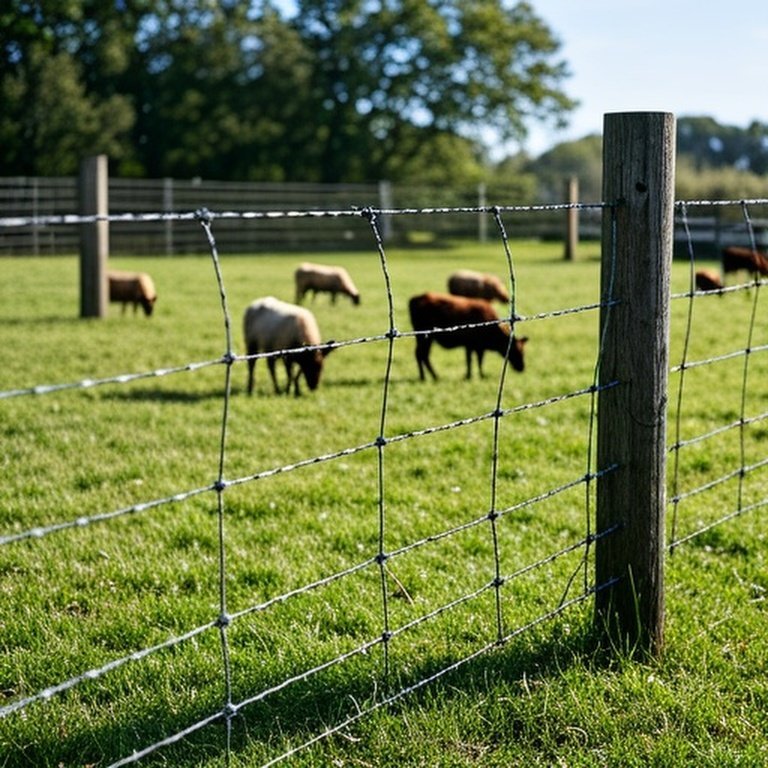
Fence material choices directly affect safety, cost, maintenance workload, and long-term reliability. The perimeter fence defines your property boundary and carries the highest responsibility. If it fails, animals may escape onto roads or neighboring properties, creating legal and financial consequences.
Interior fencing serves a different purpose. It divides pasture for grazing control, herd separation, or livestock movement. Because animals are already enclosed within the perimeter, interior fences do not carry the same escape risk.
Using identical materials everywhere can lead to overspending on interior areas or underbuilding the perimeter. Matching material strength to fence function allows you to invest strategically while maintaining safety and efficiency.
Key Factors to Consider
- Level of containment risk at property boundaries
- Livestock species and pressure behavior
- Predator exposure and external threats
- Rotational grazing management needs
- Long-term maintenance capacity
Detailed Explanation
Perimeter fencing functions as the farm’s structural backbone. It must withstand animal pressure, environmental stress, and potential external forces such as wildlife or neighboring livestock. For this reason, durable materials such as woven wire, heavy-gauge high-tensile wire, treated wood posts, or reinforced board fencing are commonly used.
Interior fencing operates within a secured space. Its role is management, not primary containment. In many grazing systems, lightweight high-tensile electric wire or temporary polywire is sufficient. These materials create a behavioral barrier rather than a physical one, which works effectively once animals are trained.
Material strength also affects bracing requirements. Perimeter fencing typically needs substantial corner assemblies and tension systems. Interior fencing, especially shorter cross runs, can rely on lighter posts and simpler configurations.
The difference is not about quality—it is about purpose. Perimeter fencing protects the operation. Interior fencing optimizes pasture use. Material selection should reflect that hierarchy of responsibility.
Extended Practical Considerations
How Cattle Behavior Affects This Choice
Cattle apply steady leaning pressure on perimeter fences, especially near roads or neighboring livestock. Stronger materials reduce sagging and long-term deformation.
Inside the pasture, cattle usually respect electric interior fencing once trained, reducing the need for heavy physical materials.
Calves vs Mature Livestock Considerations
Young calves may require tighter spacing or additional strands on both perimeter and interior fencing.
Mature animals exert greater pressure on perimeter lines, reinforcing the need for durable materials at boundaries.
Terrain, Visibility, and Pressure Zones
Perimeter fencing often crosses uneven terrain and must withstand erosion, weather exposure, and variable soil conditions.
Interior fencing can be adjusted seasonally and placed strategically to reduce environmental stress.
When This Works Well
- Durable woven or high-tensile perimeter fence installed
- Electric or lightweight cross fencing for grazing management
- Reinforced perimeter corners and gates
- Clear maintenance plan for electric systems
- Proper livestock training
When This Is Not Recommended
- Using temporary electric fencing as sole perimeter barrier in high-risk areas
- Overbuilding interior fencing unnecessarily
- Ignoring predator pressure along property lines
- Using light materials at boundary lines near roads
- Failing to reinforce high-stress perimeter sections
Alternatives or Better Options
Hybrid Material Approach
Use woven wire or high-tensile physical fencing for the perimeter, and electric cross fencing for interior divisions.
Reinforced Electric Perimeter
In low-risk areas, combine multi-strand high-tensile electric fencing with strong corner bracing.
Phased Upgrade Strategy
Install durable perimeter fencing first, then gradually add interior systems as grazing plans expand.
Cost / Safety / Practical Notes
Perimeter fencing materials typically cost more due to heavier wire, stronger posts, and reinforced bracing. However, this investment reduces long-term liability and maintenance risk.
Interior fencing can reduce upfront costs significantly when using electric systems. The trade-off is increased reliance on proper grounding, voltage maintenance, and vegetation control.
The practical rule is simple: build the boundary to maximum reliability, and design the interior for flexibility and efficiency.
Quick Takeaway
Yes, perimeter and interior fencing often require different materials. The perimeter should prioritize strength and durability, while interior fencing can focus on flexibility and grazing management efficiency.