Short Answer
Yes, fence laws often differ significantly between rural and residential properties. Rural areas generally allow more flexibility in fence height, materials, and placement, especially for livestock use, while residential zones typically impose stricter rules on setbacks, height, visibility, safety, and permits.
Why This Question Matters
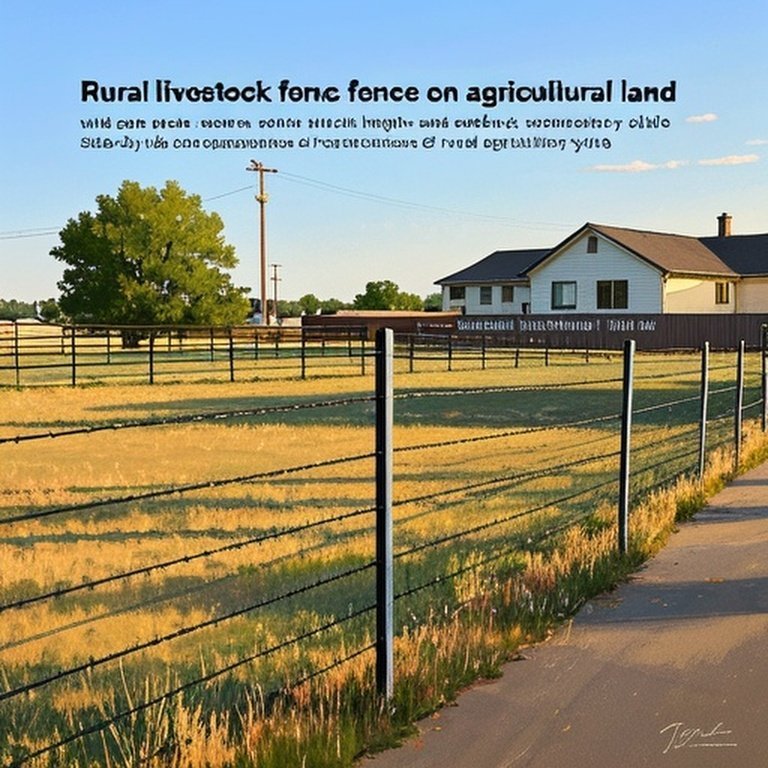
Many fence problems happen when landowners assume the rules on their property are the same as elsewhere. A fence that is perfectly legal on farmland may violate code just a few miles away in a residential zone. This misunderstanding often leads to denied permits, neighbor complaints, or forced fence modifications. For livestock owners near growing towns or mixed-use areas, zoning transitions make this issue even riskier. Knowing which rules apply to your property before building avoids costly rework and legal disputes.
Key Factors to Consider
- Zoning classification of the property
- Intended fence purpose: livestock, privacy, or boundary
- Fence height, material, and visibility
- Proximity to roads, residences, or public access
- Local permitting and inspection requirements
Detailed Explanation
Fence laws are primarily enforced through local zoning and land-use regulations, which often distinguish between rural/agricultural and residential properties. Rural zoning is typically designed to support farming and livestock management, so fences are treated as functional infrastructure. As a result, rural properties often face fewer restrictions on height, wire type, electrification, and boundary placement.
Residential zones prioritize safety, visibility, and neighborhood appearance. These areas commonly limit fence height, restrict materials like barbed wire or electric fencing, and require setbacks from sidewalks or neighboring lots. Permits and inspections are also more common. Even when livestock is allowed, fencing rules may still follow residential standards rather than agricultural ones.
Mixed-use and transitioning areas create the most confusion. Properties that appear rural may still fall under residential zoning due to annexation or development plans. In these cases, agricultural-style fencing can be restricted despite long-standing land use.
The critical takeaway is that property location alone does not determine fence rules—zoning does. Two adjacent properties may be subject to completely different fence laws depending on how they are classified by local authorities.
Livestock Fencing in Rural Zones
In rural and agricultural zones, livestock fencing is usually assumed to be necessary. Laws often allow taller fences, wire systems, and electric fencing without permits. Boundary placement is also more flexible. However, this does not mean there are no rules—roads, easements, and neighboring residences can still trigger restrictions.
Residential Safety and Visibility Standards
Residential fence laws often emphasize public safety. Requirements may include open-style fencing near intersections, height limits to preserve sightlines, and bans on hazardous materials. Even fences fully inside the property line can violate code if they block visibility or create safety risks.
Transition Zones and Edge Cases
Properties near town limits or in semi-rural developments often face overlapping rules. A parcel used for livestock may still be regulated under residential zoning, creating unexpected compliance issues. These zones are where most fence disputes and enforcement actions occur.
When This Works Well
- Property zoning is clearly rural or agricultural
- Fence use aligns with zoning intent
- Local rules are confirmed before installation
- Neighboring land uses are compatible
When This Is Not Recommended
- Assuming rural rules apply without zoning confirmation
- Using agricultural fencing in residential zones
- Ignoring permit or inspection requirements
- Building near roads or public access without review
Alternatives or Better Options
Zoning Verification Before Design
Confirm zoning status early to avoid redesigning or relocating fences later.
Hybrid Fence Designs
In mixed zones, combining livestock containment with residential-safe materials can maintain compliance.
Interior Livestock Fencing
Using interior fencing reduces reliance on boundary fences subject to stricter residential rules.
Cost / Safety / Practical Notes
Non-compliant fences often need to be modified or removed, adding 30–70% extra cost over initial installation. Safety risks are higher in residential areas, where improper fencing can lead to injuries or liability claims. Practically, rural-style fences placed under residential rules are among the most commonly cited violations. Long-term, zoning-aware fence planning saves money, time, and legal exposure.
📍 Video Demonstration
Quick Takeaway
Fence laws don’t follow how land looks—they follow how land is zoned.