Yes, composite fencing generally requires less maintenance than both wood and metal fencing. It does not rot, rust, splinter, or require painting, staining, or corrosion treatment. Most maintenance is limited to periodic inspections of posts, tension, and high-stress areas rather than ongoing material repair or replacement.
Why This Question Matters
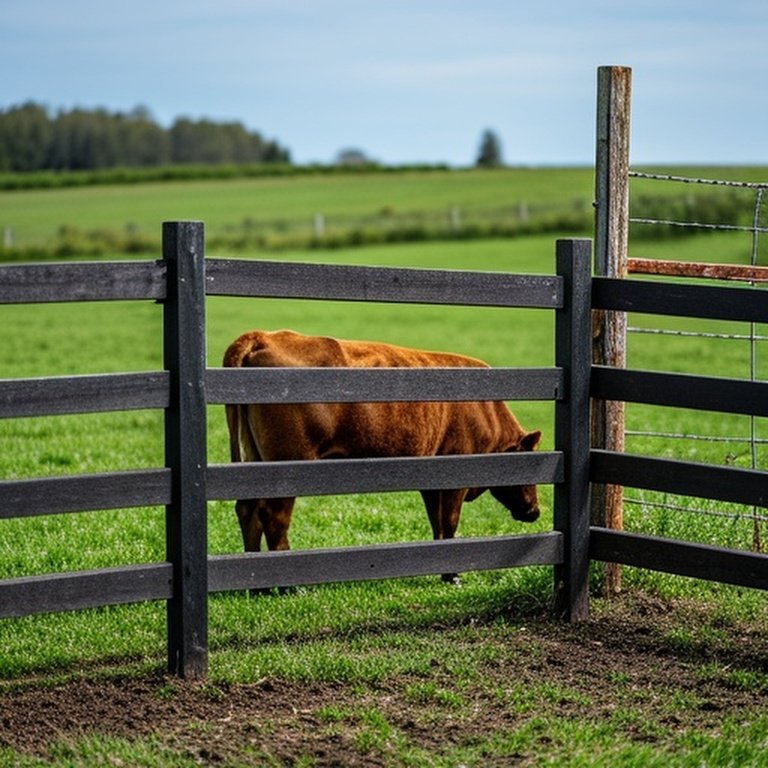
Maintenance is one of the largest hidden costs in livestock fencing. Wood fences degrade gradually and demand regular repair, while metal fences require tension adjustment and corrosion control. Composite fencing is often marketed as “low maintenance,” but that phrase can be misleading without context.
This question matters because reduced maintenance only delivers value if the system performs reliably over time. Understanding what maintenance is actually eliminated—and what still remains—helps livestock owners make realistic long-term labor and cost decisions rather than relying on marketing claims.
Key Factors to Consider
- Material degradation: rot, rust, splintering, or UV breakdown
- Routine upkeep needs: painting, tightening, or component replacement
- Livestock interaction frequency: leaning versus aggressive testing
- System design: post strength, spacing, and corner reinforcement
- Environmental exposure: moisture, temperature swings, and soil conditions
Detailed Explanation
Composite fencing requires less maintenance primarily because its materials are inherently resistant to the most common causes of fence failure. Unlike wood, composite materials do not absorb moisture, crack, or decay. Unlike metal, they do not rust or lose strength due to corrosion. This eliminates many recurring tasks such as replacing rotted boards, repainting surfaces, or managing corrosion-related weakening.
In day-to-day use, composite fencing typically maintains its shape and performance without frequent adjustment. Flexible composite systems are designed to absorb pressure and return to form, reducing the likelihood of breakage. This contrasts with wire fencing, which often requires periodic re-tensioning, or wood fencing, which loosens and degrades over time.
However, “less maintenance” does not mean “no maintenance.” Composite fencing still relies on posts, anchors, and connections. These components must be inspected periodically, especially in corners, gates, and pressure zones. If posts shift or fasteners loosen, performance can decline even if the composite material itself remains intact.
The key difference is where maintenance effort is concentrated. With composite fencing, maintenance focuses on system integrity rather than material decay. When installed correctly and used within its design limits, composite fencing significantly reduces ongoing labor compared to wood or metal alternatives, making it especially attractive for long-term operations seeking predictable upkeep requirements.
How Cattle Behavior Affects This Choice
Cattle behavior directly influences maintenance demands. Calm cattle that lean or rub against fences create minimal wear on composite materials, allowing the fence to maintain performance with little intervention. The fence flexes and recovers, reducing breakage and repair needs.
In contrast, herds that frequently test fences or apply group pressure increase stress on posts and connectors. While the composite material may remain intact, the system may require more frequent inspection and reinforcement. Maintenance levels depend less on material choice alone and more on how animals interact with the fence over time.
Calves vs Mature Cattle Considerations
Calves place relatively low physical stress on fencing, so composite systems experience minimal wear and require little maintenance. Their interactions are exploratory rather than forceful, reducing long-term strain.
Mature cattle exert greater pressure, especially in high-traffic areas. Composite fencing still requires less maintenance than wood or metal, but only when post spacing and reinforcement are designed for adult livestock. Underbuilt systems may require corrective work even though the composite material itself remains durable.
Terrain, Visibility, and Pressure Zones
Terrain affects maintenance by influencing tension and load distribution. On uneven ground, composite fencing may require additional posts to prevent sagging or uneven stress, increasing inspection needs.
Visibility reduces maintenance indirectly by limiting fence testing. Livestock that clearly see boundaries interact with fences less aggressively. Pressure zones such as corners, gates, and feeding areas experience repeated contact and require the most attention regardless of material. Reinforcing these areas minimizes long-term maintenance demands.
When This Works Well
- Operations seeking reduced labor and long-term upkeep
- Environments with high moisture or corrosion risk
- Calm livestock with predictable movement patterns
- Properly reinforced posts and pressure zones
- Perimeter or interior fencing designed for longevity
When This Is Not Recommended
- Poorly installed systems without adequate structural support
- High-pressure containment requiring frequent adjustments
- Situations needing frequent fence relocation
- Extremely low-budget projects prioritizing upfront cost
- Areas with unmanaged crowding at gates or feeders
Alternatives or Better Options
Pressure-treated wood fencing is widely available but requires ongoing repair, replacement, and surface treatment.
High-tensile wire fencing can be low maintenance when installed correctly, though tension and corrosion management remain ongoing tasks.
Hybrid systems combining composite rails with steel or treated posts often deliver low maintenance while preserving structural reliability in high-stress areas.
Cost, Safety, and Practical Notes
Composite fencing typically involves higher upfront costs, but reduced maintenance can offset this over time through lower labor and material replacement expenses. Fewer sharp failures also improve safety by reducing injury risks associated with broken wood or wire.
Practically, maintenance savings depend on system design. Composite materials minimize material-related upkeep, but posts, anchors, and pressure zones still require attention. When designed and installed correctly, composite fencing offers one of the lowest ongoing maintenance profiles among livestock fencing options.
Quick Takeaway
Composite fencing generally requires significantly less maintenance than wood or metal by eliminating rot, rust, and frequent repairs, while still demanding basic system inspections to ensure long-term performance.