Short Answer
Rotational grazing can reduce fencing costs long-term—but not by using less fence. Instead, it lowers cost per pound of production by improving pasture efficiency, reducing feed inputs, and allowing strategic use of temporary cross fencing. Initial infrastructure may cost more, yet better forage utilization and flexible interior fencing typically offset those expenses over time.
Why This Question Matters
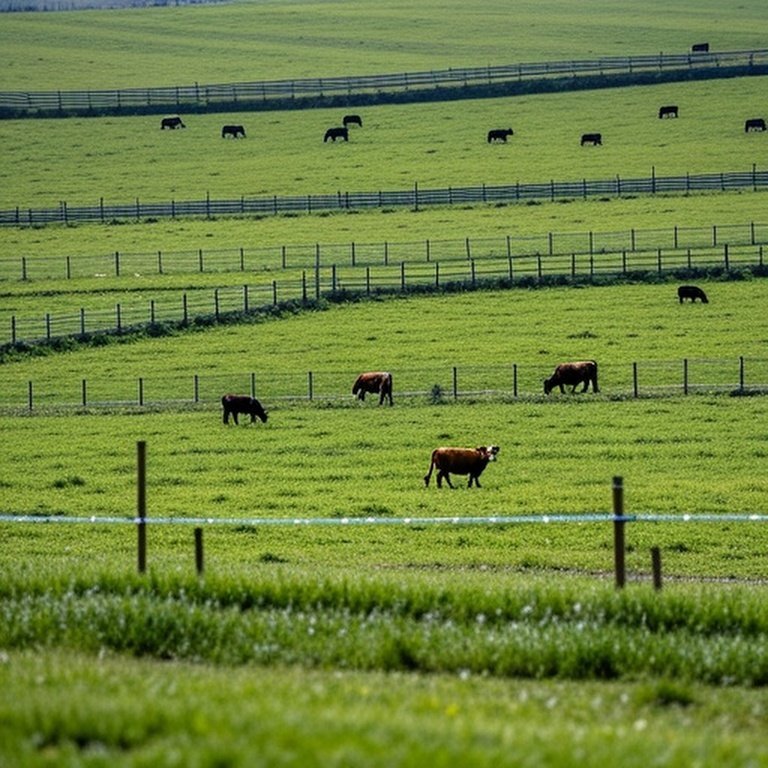
Many producers hesitate to adopt rotational grazing because it appears to require more fencing. More paddocks mean more divisions, more posts, and more planning. On paper, that looks expensive.
However, fencing should not be evaluated only by total material cost. The real question is whether the system increases productivity enough to justify infrastructure.
If rotational grazing improves forage recovery, extends grazing days, and reduces hay or supplemental feed costs, the fencing investment becomes part of a larger economic strategy—not just a line item expense.
Understanding the long-term financial picture helps prevent short-term cost decisions that limit long-term profitability.
Key Factors to Consider
- Initial investment in perimeter versus cross fencing
- Use of temporary electric fencing for flexibility
- Improved forage utilization percentage
- Reduction in purchased feed costs
- Maintenance savings from lower grazing pressure
Detailed Explanation
Rotational grazing often increases upfront fencing investment because additional paddocks require subdivision. However, interior fencing does not need to match perimeter strength. Many systems rely heavily on temporary or semi-permanent electric cross fencing, which dramatically lowers material cost per linear foot.
The economic advantage comes from pasture performance. Continuous grazing systems typically utilize only 30–50% of available forage. Rotational systems frequently increase utilization to 60–75% or higher. That difference translates into more grazing days per acre and reduced reliance on purchased feed.
Feed is usually one of the largest livestock expenses. If rotational grazing reduces hay feeding by even a few weeks per year, the savings can exceed cross-fencing costs over time.
Additionally, controlled grazing reduces overgrazing damage. Healthier pasture stands require fewer reseeding efforts and less soil remediation. Maintenance costs drop because animals are not constantly pressuring the same fence lines.
In other words, rotational grazing does not eliminate fencing costs—it improves the return on fencing investment.
How Cattle Behavior Affects This Choice
Cattle naturally overgraze preferred areas under continuous systems. Rotational fencing distributes pressure.
Better distribution reduces fence wear along high-traffic boundaries and improves pasture recovery, lowering long-term maintenance costs.
Calves vs Mature Cattle Considerations
Calves adapt quickly to electric cross fencing when trained properly.
Mature cattle require reliable voltage to prevent fence testing, which protects interior infrastructure from damage.
Terrain, Visibility, and Pressure Zones
Irregular terrain increases fence length requirements.
Strategic paddock shapes that follow natural contours can reduce unnecessary interior fence runs and lower total material cost.
When This Works Well
- Farms currently purchasing significant hay or feed
- Operations using flexible electric cross fencing
- Producers willing to manage rotations actively
- Pastures with good regrowth potential
- Systems where forage is the primary feed source
When This Is Not Recommended
- Very small properties with limited subdivision options
- Operations unwilling to monitor rotations regularly
- Systems dependent on heavy equipment movement through paddocks
- Poorly drained land requiring expensive infrastructure upgrades
- Situations where temporary fencing is impractical
Alternatives or Better Options
Hybrid System (Strong Perimeter + Temporary Interior)
Invest heavily in durable perimeter fencing while using portable electric cross fencing. This lowers interior costs and preserves flexibility.
Phased Implementation
Start with a few large paddocks and expand over time. This spreads cost while allowing performance gains to fund future fencing additions.
Cost / Safety / Practical Notes
Initial rotational grazing setups may increase fencing material costs by 10–40% depending on layout. However, interior electric fencing is significantly cheaper than permanent woven wire or board fencing.
Budget for energizers, grounding systems, step-in posts, and reels if using portable divisions. These items are relatively inexpensive compared to feed savings over multiple seasons.
Safety requires consistent voltage monitoring and proper animal training to prevent fence damage.
The most common mistake is underestimating long-term savings. Fencing should be evaluated against total system profitability—not just upfront cost.
Over time, improved forage efficiency often outweighs added fencing expense.
Quick Takeaway
Rotational grazing does not necessarily reduce fencing quantity, but it improves return on investment. Strategic use of electric cross fencing and better pasture utilization typically lower feed costs and increase long-term profitability.