Short Answer
Wood fencing can help deter large predators, but it is not a complete predator-control solution on its own. Solid, well-built wood fences may block visibility and slow entry, yet determined predators can dig underneath, squeeze through gaps, or climb over unless additional reinforcement—such as wire mesh or electric offset—is used.
Why This Question Matters
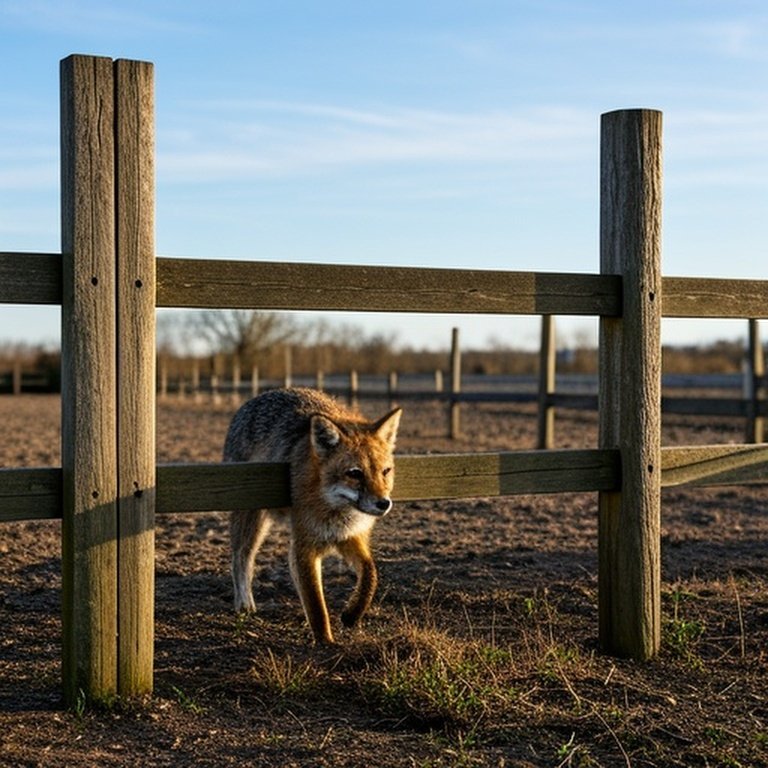
Predator pressure is a serious concern for ranchers and small farm owners, especially those raising calves, lambs, goats, or poultry. Coyotes, stray dogs, and even larger predators can exploit weak fence points. Many property owners assume that a sturdy wood fence automatically provides protection. However, predator behavior differs significantly from livestock behavior. Animals trying to get in are often more persistent and strategic than animals trying to stay in. Understanding whether wood fencing alone is sufficient prevents costly livestock losses and helps determine when reinforcement is necessary.
Key Factors to Consider
- Fence height and board spacing
- Ground clearance and digging vulnerability
- Predator type (climbers vs diggers)
- Structural integrity at corners and gates
- Supplemental deterrents like electric offsets
Detailed Explanation
Wood fencing provides a strong visual and physical barrier, particularly against larger predators such as stray dogs. Solid board fences reduce visibility, which can discourage some predators from testing the boundary. Height also plays a role; fences under four feet offer little resistance to agile animals.
However, most predator breaches occur at ground level. Predators such as coyotes often dig beneath fences rather than attempting to climb. If a wood fence has even small gaps at the bottom, it becomes vulnerable. Without buried boards, gravel reinforcement, or mesh skirting, the fence can be compromised quickly.
Climbing is another concern. Some predators can scale horizontal rails, especially if boards provide footholds. Smooth, tightly spaced boards reduce climbing ability, but determined animals may still find leverage points. Gates and corners are typically the weakest structural areas and require extra reinforcement.
For smaller livestock, wood fencing alone rarely provides adequate predator control. Combining wood fencing with welded wire mesh, hardware cloth, or an electric offset wire significantly increases effectiveness. An electric deterrent discourages repeated attempts and reduces pressure on the wood structure.
The short answer holds true because wood fencing works as a visual and partial physical barrier, but predator control depends on closing ground gaps, increasing height, and adding deterrents. Without reinforcement, wood fencing functions more as containment than protection.
How Cattle Behavior Affects This Choice
Cattle pressure can weaken fence sections over time, unintentionally creating access points for predators. Leaning or rubbing loosens boards and widens gaps near the ground. Even small separations become entry opportunities.
If wood fencing is used for both livestock containment and predator control, reinforcement must account for dual pressure—from inside and outside. Strong bracing at corners and consistent board spacing reduce weak spots that predators exploit.
Calves vs Mature Cattle Considerations
Mature cattle are less vulnerable to predators, so wood fencing may be sufficient in low-risk areas. However, calves are significantly more vulnerable and require stronger perimeter protection.
In calving zones or nursery paddocks, wood fencing alone is often insufficient. Adding mesh panels or electric offsets improves safety. Predator control should match the vulnerability level of the livestock being protected.
Terrain, Visibility, and Pressure Zones
Uneven terrain increases vulnerability. Gaps under fences are common on sloped or rocky ground. Proper grading and bottom reinforcement are essential for predator resistance.
Visibility also matters. While solid fencing reduces sightlines, predators may patrol fence lines looking for weaknesses. Areas near feed storage or shelter require extra structural reinforcement to reduce repeated pressure.
When This Works Well
- Large livestock with low predator density
- Solid board fencing at least five feet tall
- Reinforced bottom edges with no ground gaps
- Properties with supplemental electric deterrents
- Well-maintained gates and corners
When This Is Not Recommended
- High predator regions with coyotes or climbing animals
- Protecting small livestock like goats or poultry
- Uneven terrain with persistent ground gaps
- Poorly maintained fences with loose boards
- Perimeters without supplemental deterrents
Alternatives or Better Options
Woven wire or welded mesh fencing provides stronger predator resistance, particularly against diggers and small predators. Electric fencing offsets can enhance existing wood fences without full replacement. Hybrid systems—wood posts with wire infill—offer visibility and structural strength while improving security.
Cost, Safety, and Practical Notes
Wood fencing typically costs more per foot than basic wire systems, yet may require additional investment to function as predator control. Adding buried mesh, gravel skirts, or electric offsets increases total cost but significantly improves effectiveness. Regular inspection is essential, as even minor gaps reduce protection. Safety also matters. Sharp wire add-ons should be installed properly to avoid livestock injury. Evaluating predator pressure before installation helps avoid underbuilding the fence. Long-term, combining wood fencing with deterrent systems is usually more reliable than relying on wood alone.
Quick Takeaway
Wood fencing can slow or deter predators, but it rarely provides full protection alone. Effective predator control requires tight ground clearance, adequate height, and often supplemental mesh or electric deterrents