Short Answer
Yes, woven wire fence requires maintenance—but far less than many other fencing types when installed correctly. Routine inspections, minor tension adjustments, vegetation control, and occasional post repairs are usually enough. A properly installed woven wire fence can last 20+ years with manageable, low-frequency maintenance.
Why This Question Matters
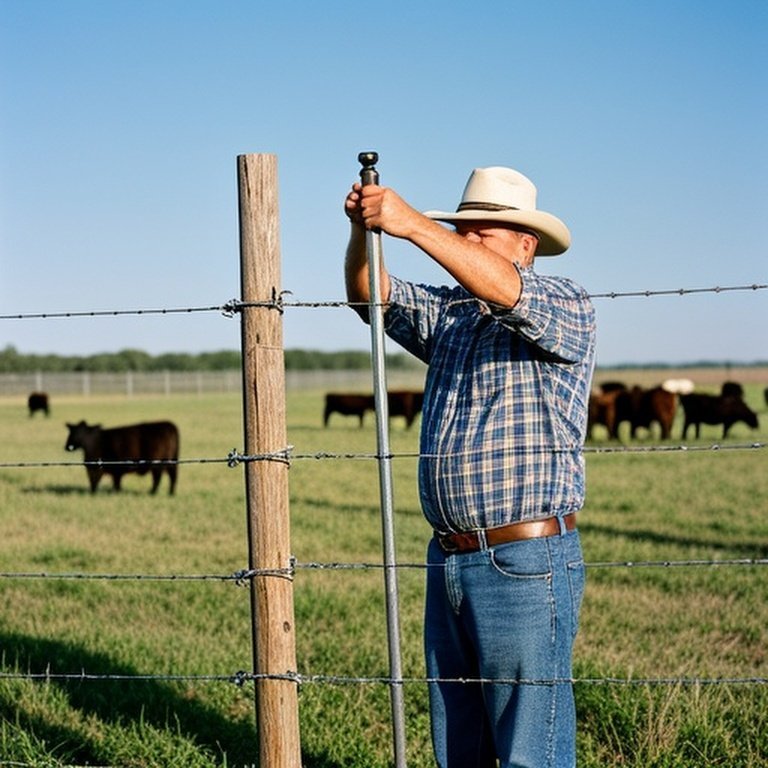
Many farmers assume woven wire is either “maintenance-free” or “high maintenance.” Neither is accurate. While woven wire is durable and long-lasting, neglecting inspections can lead to sagging sections, broken staples, rust damage, or predator gaps. Because fencing protects livestock and property boundaries, small issues can quickly become costly failures. Understanding what kind of maintenance is required—and how often—helps you budget time and labor realistically while avoiding expensive repairs later.
Key Factors to Consider
- Installation quality determines long-term maintenance frequency
- Soil movement affects post stability over time
- Livestock pressure increases tension stress points
- Galvanized coating quality impacts corrosion resistance
- Vegetation growth can weaken lower fence sections
Detailed Explanation
Woven wire fence is designed as a tension-based system. When properly braced and stretched during installation, it holds its shape for years. However, tension systems naturally experience gradual stress from weather cycles, soil shifting, livestock pressure, and seasonal temperature changes. This means periodic inspection is necessary, though not constant adjustment.
One of the most common maintenance tasks is checking tension. Over time, especially after extreme weather or heavy livestock leaning, sections may loosen slightly. Minor re-tightening at brace points usually resolves the issue. In most cases, this is not an annual requirement but something checked during routine property walks.
Post condition is another maintenance factor. Wooden posts may rot at ground level after many years, particularly in wet soil. Replacing individual posts is common in long-term installations. Steel T-posts generally require less replacement but may shift if soil erosion occurs.
Vegetation control is often overlooked. Tall weeds and brush can trap moisture against the wire, accelerating corrosion and creating leverage that pulls down lower strands. Keeping the fence line clear significantly reduces long-term deterioration.
Overall, woven wire fence is considered moderate-to-low maintenance compared to wood fencing and far less hands-on than electric fencing systems that require constant voltage monitoring. When installed properly, maintenance is periodic—not continuous.
How Cattle Behavior Affects This Choice
Cattle tend to lean and rub against fences, especially near feeding areas. This creates tension stress over time.
Adding a single offset electric wire can reduce leaning behavior and lower long-term maintenance needs.
Calves vs Mature Cattle Considerations
Calves often push at lower sections, especially if forage appears greener outside the fence.
Ensuring tight bottom tension and regular inspection prevents small gaps that can expand under repeated pressure.
Terrain, Visibility, and Pressure Zones
Uneven terrain increases stress at dips and rises in the fence line.
High-pressure zones near gates, water sources, or corners require closer monitoring and occasional reinforcement.
When This Works Well
- Permanent perimeter fencing installations
- Moderate livestock pressure environments
- Properties with regular inspection routines
- Galvanized, high-quality woven wire materials
- Installations with strong corner brace assemblies
When This Is Not Recommended
- Situations requiring zero maintenance expectations
- Areas with extreme flooding or soil instability
- Temporary fencing needs
- Locations with heavy wildlife pressure and no inspection plan
- Installations without proper bracing at corners
Alternatives or Better Options
High-Tensile Wire Fence
Requires less material contact but demands proper tensioning. Maintenance is similar but often involves occasional tightening of individual strands.
Electric Fence System
Lower physical maintenance but requires frequent voltage checks and vegetation trimming to maintain effectiveness.
Welded Wire Fence
Less flexible than woven wire. When damaged, sections often require panel replacement rather than simple re-tightening.
Cost, Safety, and Practical Notes
Maintenance costs for woven wire are typically low compared to initial installation. Most expenses involve replacing occasional posts or tightening loose sections. However, neglect can turn minor sagging into full fence line failure, increasing repair costs significantly.
From a safety perspective, loose woven wire can create entanglement hazards for livestock. Regular inspections prevent injuries and ensure proper containment. Always release tension carefully during repairs, as stored tension energy can snap back if handled improperly.
In long-term farm planning, woven wire is considered a reliable, manageable fencing option when routine inspections are part of normal property management.
Quick Takeaway
Woven wire fence does require maintenance—but it is periodic and manageable. With proper installation, occasional inspections, tension checks, and vegetation control, it can provide decades of dependable livestock containment.