
Short Answer
An electric fence charger should be installed in a dry, sheltered location, close to a reliable power source and near the fence’s grounding system. It should be mounted off the ground, protected from weather and livestock, and positioned where fence and ground wires can run straight without unnecessary bends or long underground distances.
Why This Question Matters
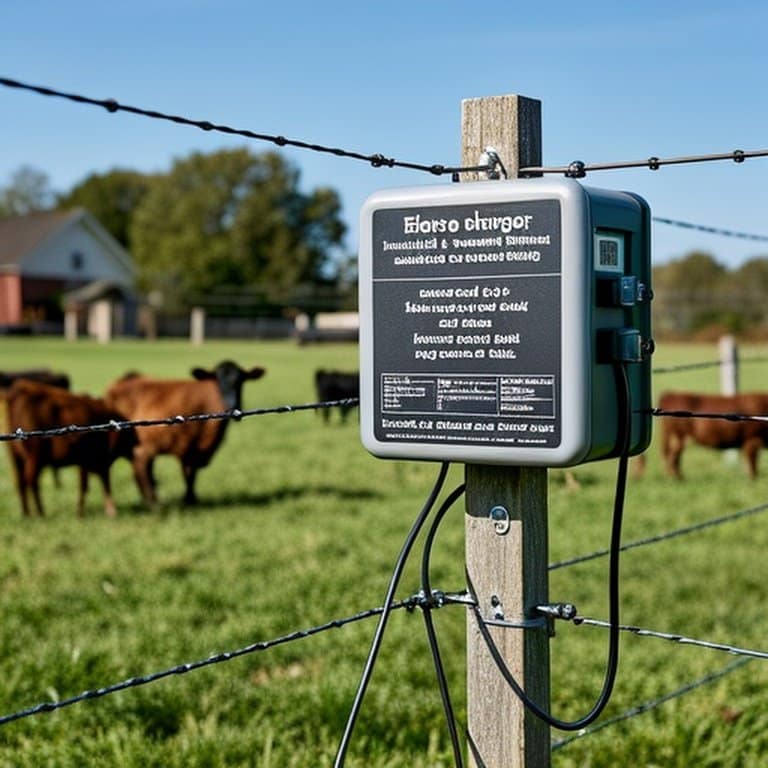
Improper charger placement is one of the most common causes of electric fence failure. Many fences underperform not because of weak energizers, but because the charger is exposed to moisture, mounted too far from the grounding system, or installed where wiring losses occur. Poor placement can shorten charger lifespan, reduce shock strength, and create safety risks. Since the charger is the heart of the fence system, where it is installed directly affects reliability, maintenance needs, and long-term performance—especially in livestock and predator-control fencing.
Key Factors to Consider
- Protection from rain, snow, and direct sunlight
- Distance between charger, fence line, and ground rods
- Access to power supply or solar exposure
- Safety from livestock, wildlife, and human contact
- Ease of maintenance and voltage testing
Detailed Explanation
The electric fence charger is the control center of the entire system, so its location matters as much as its power rating. Chargers should always be placed in a dry and protected environment, such as inside a shed, barn, weatherproof enclosure, or mounted under a roof overhang. Moisture exposure is one of the leading causes of charger failure, especially for AC-powered units.
Distance is another critical factor. The charger should be located close to the grounding system, ideally within a short, straight run of ground wire. Long or winding ground connections increase resistance and reduce the effectiveness of the entire fence. The same applies to the hot wire connection—shorter, direct runs deliver stronger voltage to the fence line.
Height and security also matter. Chargers should be mounted off the ground to prevent water damage and kept out of reach of livestock and wildlife. Curious animals rubbing against chargers or wires can cause accidental disconnections or damage. At the same time, the location should allow easy access for checking indicator lights, testing voltage, or performing maintenance.
For solar chargers, placement depends on sun exposure. They must be installed where the solar panel receives consistent sunlight throughout the day, free from shade caused by buildings, trees, or terrain. Even partial shading can significantly reduce charging efficiency and fence performance.
Ultimately, the best charger location balances protection, efficiency, and accessibility. A well-placed charger delivers consistent power, lasts longer, and minimizes troubleshooting over the life of the fence.
Indoor vs Outdoor Charger Placement
Indoor placement offers maximum protection from weather and temperature extremes, making it ideal for AC-powered chargers. Outdoor-rated chargers can be mounted outside, but still require weather protection and secure mounting. Outdoor installations should never leave the charger fully exposed to rain or snow, even if labeled “weather-resistant.”
Solar Chargers and Panel Orientation
Solar chargers must be oriented to receive full sun for most of the day. South-facing placement is ideal in the northern hemisphere. Mounting height should prevent shading from grass or snow accumulation while keeping the unit secure from animals and theft.
Charger Placement and Fence Performance
The farther the charger is from the fence or grounding system, the more energy is lost through resistance. Strategic placement reduces voltage drop, improves shock consistency, and allows the energizer to operate closer to its rated output.
When This Works Well
- Charger installed in a dry, sheltered structure
- Short, direct wiring runs to fence and ground rods
- Secure mounting away from livestock interference
- Easy access for inspection and voltage testing
When This Is Not Recommended
- Mounting chargers directly on fence posts
- Placing chargers in wet, flood-prone areas
- Long underground wire runs between charger and fence
- Locations exposed to constant animal contact
Alternatives or Better Options
Weatherproof Enclosures
For outdoor installations, a sealed enclosure adds protection while allowing flexible placement near fence lines.
Centralized Power Hubs
Large properties may benefit from centralized charger placement with properly sized lead-out wires to reduce energy loss.
Dedicated Solar Stations
In remote areas, building a small solar charging station ensures optimal sun exposure and protects the charger from damage.
Cost / Safety / Practical Notes
Relocating a charger is far cheaper than replacing one damaged by moisture or impact. Proper placement reduces electrical losses and improves fence reliability without increasing energizer size. From a safety perspective, chargers should never be installed where children or untrained users can access terminals. Lockable enclosures and clear labeling add another layer of protection. Good placement is a one-time decision that pays off for years.
📍 Video Demonstration
Quick Takeaway
Install the electric fence charger in a dry, protected, and accessible location, as close as practical to both the fence and the grounding system, while keeping it safe from weather and livestock.