Short Answer
Most electric fences require at least 1–3 joules for short, clean fences with light livestock pressure, and 3–6+ joules for longer fences, multiple wires, vegetation contact, or high-pressure animals. Choosing an energizer with extra joule capacity helps maintain effective voltage under real-world conditions.
Why This Question Matters
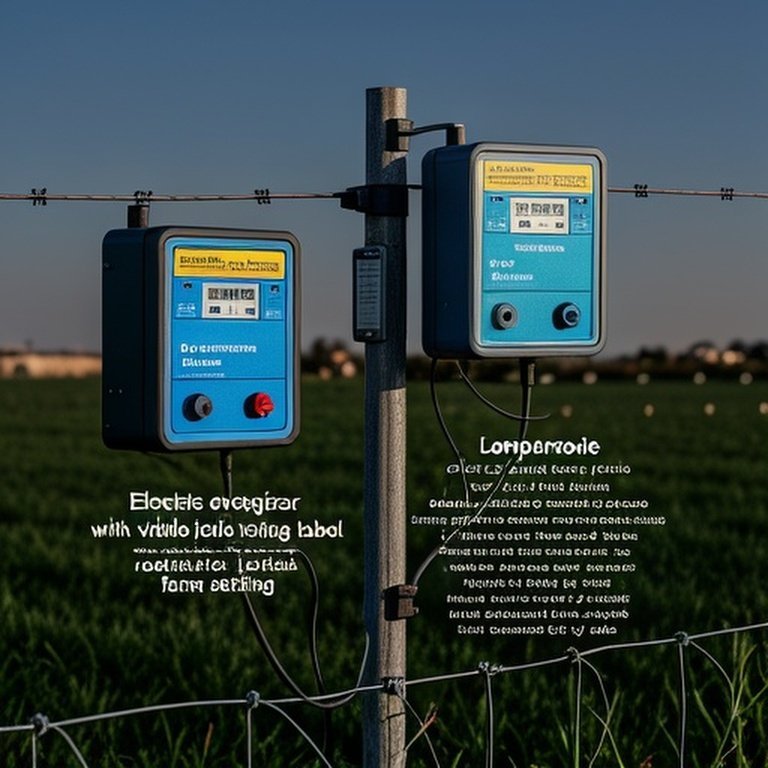
Joules are one of the most misunderstood specs on electric fence energizers. Many buyers assume more joules always mean more danger, while others underestimate how quickly real fences drain energy. When joules are too low, fences pulse but fail to deter animals, leading to escapes, fence testing, and constant troubleshooting. Replacing an undersized energizer costs more than choosing correctly the first time. Understanding joule requirements prevents weak fences and reduces long-term frustration.
Key Factors to Consider
- Total fence length and number of strands
- Vegetation contact and environmental load
- Livestock size, behavior, and pressure
- Grounding system effectiveness
- Power source reliability and consistency
Detailed Explanation
Joules measure the energy delivered per pulse, not just how far electricity can travel. A higher joule rating allows the energizer to maintain voltage when the fence encounters resistance, such as weeds touching the wire, damp soil, or multiple contact points.
Low-joule energizers may work on short, clean fences but quickly lose effectiveness as conditions change. Every additional wire strand, gate handle, or vegetation contact increases energy demand. This is why many fences that seem “fine on paper” perform poorly in practice.
High-pressure livestock and predators also require higher joule output. Animals with thick hides, wool, or strong motivation are less deterred by weak shocks. A properly sized energizer delivers a short, memorable pulse that discourages repeated contact without causing harm.
Grounding plays a critical role. Even a high-joule energizer will underperform if grounding is inadequate. However, sufficient joule capacity provides tolerance when grounding or conditions are less than ideal. In practice, most experienced users choose energizers with more joules than the minimum requirement.
Joules vs Fence Length Ratings
Manufacturers often advertise energizers by miles of fence, but this assumes ideal conditions. Joule ratings provide a more realistic measure of performance under load. Two energizers rated for the same fence length may perform very differently if their joule outputs differ. Prioritizing joules leads to more reliable fence behavior.
Livestock Pressure and Shock Effectiveness
Fence effectiveness depends on animal perception, not raw electricity. Larger animals, wool-bearing livestock, and predators require stronger pulses to register a deterrent. Higher joule output ensures consistent shock strength even when animals make partial or brief contact with the fence.
Environmental Load and Seasonal Changes
Wet soil, dry ground, heavy vegetation, and seasonal growth all affect electrical load. A fence that works in winter may fail in summer if joule capacity is marginal. Planning for peak vegetation and worst conditions avoids seasonal performance drops.
When This Works Well
- Joule rating exceeds minimum fence requirements
- Fence is properly grounded and maintained
- Vegetation is periodically controlled
- Energizer matches livestock pressure level
When This Is Not Recommended
- Selecting energizers solely by mileage rating
- Using minimal joules on multi-wire fences
- Ignoring vegetation or soil conditions
- Expecting low-joule units to handle expansion
Alternatives or Better Options
Choosing a Higher-Joule Energizer
Extra joule capacity improves reliability, supports expansion, and reduces troubleshooting.
Segmenting Large Fence Systems
Using multiple energizers can isolate loads and maintain performance.
Improving Grounding Systems
Better grounding increases effective shock without changing energizer size.
Cost / Safety / Practical Notes
Higher-joule energizers typically cost only slightly more but deliver disproportionate benefits in reliability. Properly installed systems remain safe for livestock and humans, as shock duration is short and controlled. Weak fences create more risk by encouraging animals to challenge boundaries. In real-world use, underpowered energizers are the leading cause of electric fence failure—not overpowered ones.
📍 Video Demonstration
Quick Takeaway
When choosing joules, reliability matters more than minimum ratings—extra capacity keeps fences working when conditions aren’t perfect.