Short Answer
An electric fence should be checked weekly during active use and after any major weather event, with more thorough inspections monthly and seasonally. High-pressure systems, permanent installations, and livestock containment fences require more frequent maintenance to ensure consistent voltage, animal safety, and reliable containment.
Why This Question Matters
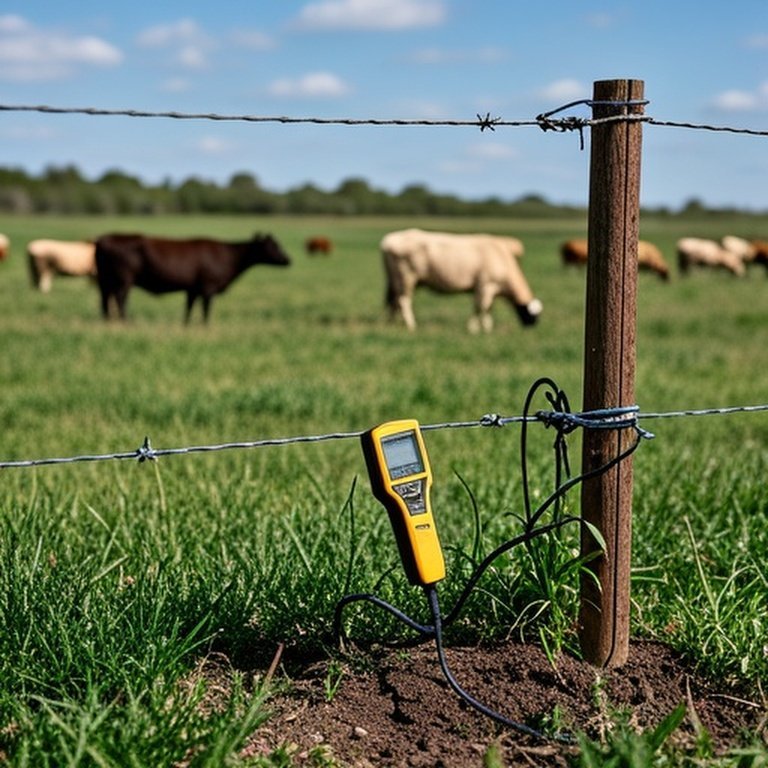
Electric fences often fail not because they are poorly designed, but because they are not maintained consistently. Many fence owners assume electric fencing is “set and forget,” only discovering problems after animals escape, predators enter, or voltage drops below effective levels. Delayed maintenance can lead to livestock losses, safety risks, property damage, and higher repair costs. This question comes up frequently among new fence owners, seasonal graziers, and anyone expanding a fence system, because maintenance frequency directly determines whether the fence works as intended in real-world conditions.
Key Factors to Consider
- Fence type and permanence level influence how often components loosen, corrode, or degrade
- Vegetation growth rate affects grounding and voltage loss over time
- Local weather patterns increase wear from storms, heat, or freezing cycles
- Livestock pressure determines how quickly physical damage appears
- Power source reliability impacts how often electrical performance must be checked
Detailed Explanation
Electric fences rely on a continuous balance between electrical flow, grounding efficiency, and physical integrity. Over time, small changes—such as grass touching the wire, loose connectors, or soil drying around ground rods—can significantly reduce fence performance. This is why regular maintenance is not optional, even for high-quality systems. Weekly visual checks during active grazing seasons allow early detection of obvious issues like fallen posts, broken insulators, or vegetation contact before voltage drops to ineffective levels.
Monthly inspections should focus on electrical performance rather than appearance. Using a fence tester to verify voltage along different sections helps confirm that power is reaching the entire system. This is especially important for long fence runs, multiple fence lines, or systems shared by multiple paddocks. Seasonal maintenance, typically done at the start and end of grazing seasons, addresses cumulative wear such as corrosion, soil condition changes around grounding rods, and energizer output consistency.
Weather events accelerate maintenance needs. Heavy rain can improve grounding temporarily but also cause shorts from debris. Drought reduces soil conductivity, requiring closer monitoring of grounding performance. Snow, ice, and wind can loosen wires and stress posts, making post-storm inspections essential regardless of the regular maintenance schedule.
Ultimately, electric fence maintenance frequency is less about a fixed calendar and more about risk exposure. Systems under constant livestock pressure or environmental stress demand closer attention, while low-pressure or temporary setups may tolerate longer intervals between checks. Consistent maintenance prevents small issues from escalating into complete fence failure.
Fence Type and Usage Intensity
Permanent electric fences benefit from predictable maintenance routines but still degrade gradually. Connections oxidize, wires lose tension, and grounding conditions change over time. High-tensile systems, in particular, require periodic tension checks to prevent sagging that reduces effectiveness. Temporary or portable fences may appear simpler, but they often need more frequent checks due to lightweight posts, shallow grounding, and frequent repositioning.
Seasonal and Environmental Conditions
Maintenance frequency increases during periods of rapid vegetation growth, extreme heat, or heavy rainfall. In spring and early summer, weekly checks may not be enough if grass growth is aggressive. In dry seasons, grounding efficiency becomes the primary concern, often requiring supplemental ground rods or closer voltage monitoring. Cold climates introduce additional stress from freezing and thawing cycles that loosen posts and crack insulators.
Livestock Behavior and Pressure
Livestock that regularly test fences, such as goats or pigs, increase wear on both electrical and physical components. Mature cattle exert less frequent pressure but cause more damage when they do. Fences used for predator deterrence also demand higher reliability, as even brief voltage drops can compromise effectiveness.
When This Works Well
- Permanent fences with established grounding systems and moderate livestock pressure
- Rotational grazing systems with scheduled pasture moves and routine visual checks
- Properties with manageable vegetation growth and predictable seasonal weather
- Fence owners using voltage testers as part of regular inspections
When This Is Not Recommended
- Assuming annual or “only when it breaks” maintenance is sufficient
- High-pressure livestock containment without routine voltage testing
- Areas with rapid vegetation growth but infrequent trimming
- Predator control systems left unchecked for extended periods
Alternatives or Better Options
For fence owners unable to maintain frequent inspection schedules, upgrading to higher-capacity energizers can provide more tolerance for minor faults. Adding additional ground rods or improving grounding layouts reduces sensitivity to soil changes. In some cases, integrating physical fencing with electric offsets lowers maintenance pressure by reducing direct contact. These alternatives do not eliminate maintenance but can increase the margin for error between inspections.
Cost / Safety / Practical Notes
Regular maintenance is significantly cheaper than emergency repairs or livestock loss. Weekly checks typically take only minutes and require minimal tools, while neglected fences often fail at the worst possible time. From a safety perspective, poorly maintained fences can deliver inconsistent shocks, increasing the risk of animals challenging the fence or humans assuming it is inactive. Over time, consistent maintenance extends the lifespan of energizers, wires, and posts, reducing total ownership cost. The practical trade-off is time versus risk: investing small, regular efforts prevents larger disruptions later.
📍 Video Demonstration
Quick Takeaway
Electric fences are not maintenance-free systems. Weekly checks, monthly performance testing, and seasonal deep inspections are the baseline for reliable operation. The more pressure, vegetation, and environmental stress your fence faces, the more frequently it should be maintained.