Short Answer
In most rural and agricultural areas, electric fences do not require permits or inspections. However, permits or approvals may be required in residential zones, near public roads, property boundaries, or when local zoning, HOA rules, or safety regulations apply. Requirements vary widely by location, so local rules should always be checked before installation.
Why This Question Matters
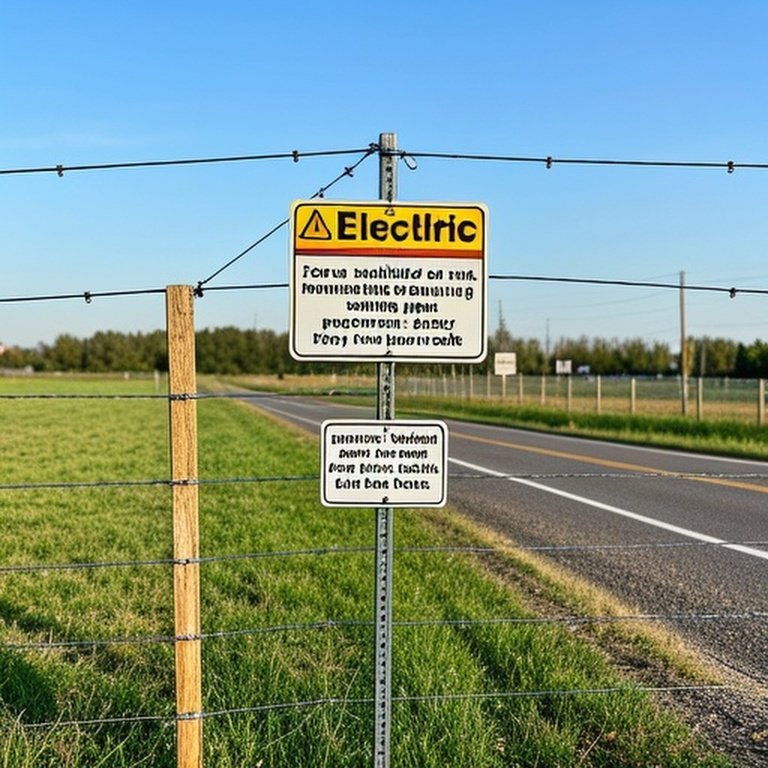
Electric fences sit at the intersection of agriculture, property law, and public safety. Many landowners assume they are exempt from regulation, while others delay projects unnecessarily due to permit concerns. Installing a fence without required approval can lead to fines, forced removal, neighbor disputes, or liability issues—especially in mixed-use or residential areas. Understanding when permits or inspections apply helps avoid legal problems while ensuring the fence meets safety and visibility standards expected by local authorities.
Key Factors to Consider
- Local zoning classification of the property
- Proximity to public roads, trails, or sidewalks
- Residential, commercial, or agricultural land use
- Homeowners association or community rules
- Local safety and electrical compliance standards
Detailed Explanation
In most agricultural and rural settings, electric fences used for livestock containment are considered standard farm infrastructure and typically do not require permits or inspections. These areas usually allow fencing as a permitted use, provided the fence does not obstruct rights-of-way or create public safety hazards.
Permits become more likely when electric fences are installed in residential, suburban, or mixed-use zones. Local governments may regulate fence height, placement, setback distances, and signage—especially where the fence is visible to the public. Some jurisdictions require warning signs at regular intervals or limit fence voltage near homes, schools, or pedestrian areas.
Homeowners associations often impose stricter rules than local governments. Even if a city or county allows electric fencing, HOAs may prohibit it entirely or require design approval. Ignoring these rules can result in fines or mandatory removal.
Inspections are uncommon for standard livestock electric fences but may apply if the system connects to household power, involves underground wiring near utilities, or is installed as part of a larger perimeter security system. In these cases, electrical or safety inspections may be required to confirm proper grounding and isolation.
Residential vs Agricultural Installations
Agricultural installations are usually exempt from permits, while residential installations often face zoning, safety, and visibility requirements.
Property Boundaries and Neighbor Considerations
Electric fences near property lines may trigger setback rules or require neighbor notification in some jurisdictions.
Public Access and Safety Zones
Fences near roads, trails, or shared access areas often require warning signs or additional approvals.
When This Works Well
- Rural or agricultural land with livestock zoning
- Interior fencing away from roads and boundaries
- Temporary or movable electric fencing systems
- Areas without HOA or community restrictions
When This Is Not Recommended
- Residential neighborhoods without zoning approval
- Property lines shared closely with neighbors
- Near schools, sidewalks, or public paths
- HOA-controlled developments without written permission
Alternatives or Better Options
Non-Electric Physical Fencing
In restricted areas, non-electric fencing may avoid permitting and safety issues.
Temporary Electric Fencing
Portable systems often face fewer regulatory concerns than permanent installations.
Consulting Local Extension Offices
Agricultural extension services often clarify local rules quickly and accurately.
Cost / Safety / Practical Notes
Permit costs, when required, are usually minor compared to the cost of fence removal or legal disputes. Warning signs are inexpensive and often mandatory near public areas. Always call utility location services before driving ground rods or posts. Even when permits are not required, following local safety guidelines reduces liability and improves neighbor relations.
📍 Video Demonstration
Quick Takeaway
Most electric fences don’t require permits in rural areas, but residential zones, HOAs, and public-facing locations often do—always verify local rules before installation.