Short Answer
Yes, a properly installed and well-maintained electric fence is generally safe for humans. It delivers a short, high-voltage but low-amperage pulse designed to startle rather than injure. For healthy adults, accidental contact is uncomfortable but not dangerous, provided the system meets safety standards and is used correctly.
Why This Question Matters
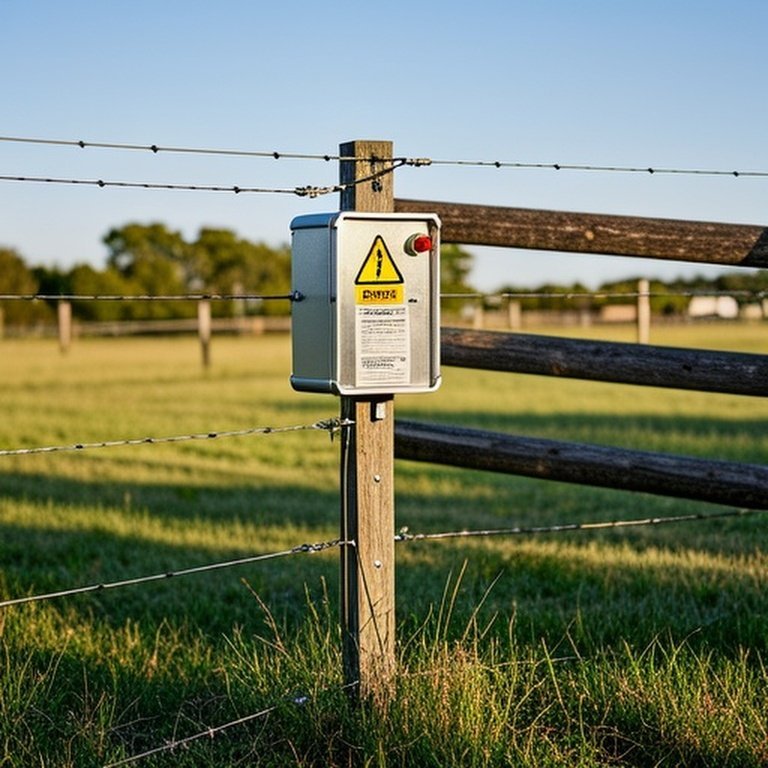
Electric fences are often misunderstood. Many people associate high voltage with serious injury or even death, which leads to fear, neighbor disputes, and hesitation during planning. This question matters because electric fencing is widely used around homes, farms, and public-adjacent land. People want to know whether accidental contact—by themselves, family members, workers, or visitors—poses real risk. A clear answer helps users balance safety, legality, and effectiveness without relying on myths or exaggerated anecdotes that frequently circulate online.
Key Factors to Consider
- Voltage is high, but current is extremely low, limiting physical harm
- The shock is pulsed, not continuous, reducing injury risk
- Proper grounding and insulation are essential for safe operation
- Health conditions and environmental factors can influence perceived severity
Detailed Explanation
Electric fences are designed around a specific safety principle: they use high voltage to overcome resistance, but extremely low amperage to prevent injury. When a person touches an electric fence, the energizer sends a brief pulse—typically lasting a fraction of a second—through the body and back into the ground system. This pulse causes a sharp muscle reaction and pain response, but not sustained electrical flow.
This is very different from household or industrial electricity. Continuous current, not voltage alone, is what causes burns, cardiac interference, or fatal outcomes. Electric fence energizers are engineered to stay well below dangerous current thresholds, even when operating at several thousand volts. International safety standards regulate maximum joule output and pulse timing specifically to protect humans and animals.
For most healthy adults, the result of touching an electric fence is a sudden shock, surprise, and immediate withdrawal. There is no lingering effect, no internal damage, and no cumulative harm from brief contact. Problems typically arise only when systems are misused—such as bypassing energizer limits, using improper chargers, or failing to maintain grounding and insulation.
It is also important to note perception versus reality. The shock feels intense because it activates nerves and muscles simultaneously, but intensity does not equal danger. When installed and maintained correctly, the system relies on psychology and reflex, not physical injury, to create deterrence. This is why electric fencing is legally permitted and widely used around the world.
Human Factors That Influence Safety
Human response to an electric fence shock varies. Skin moisture, footwear, contact duration, and body position all affect how strong the shock feels. Wet conditions or barefoot contact increase conductivity, making the shock more noticeable, though not inherently more dangerous. Children and adults perceive the shock differently, but perception does not change the underlying safety limits of the system.
Underlying medical conditions matter. Individuals with pacemakers, heart rhythm disorders, or neurological sensitivities should avoid direct contact. While electric fences are still regulated to be safe, these users face higher perceived and theoretical risk and should treat fencing systems with extra caution and clear signage.
Environmental and Installation Factors
Most safety concerns stem from installation quality rather than the fence itself. Poor grounding increases shock inconsistency, which can cause users to compensate with stronger energizers—introducing unnecessary risk. Damaged insulation, exposed connections, or vegetation contact can also alter how current flows during accidental human contact.
Visibility is another factor. Clearly visible wires, warning signs, and proper spacing reduce accidental contact. Electric fences placed near paths, gates, or shared boundaries require additional attention to layout and labeling to protect passersby and workers unfamiliar with the system.
When This Works Well
- Farms and properties with controlled access and clear signage
- Areas where brief accidental contact is possible but avoidable
- Systems using certified energizers and standard grounding setups
- Locations with regular inspection and basic maintenance routines
When This Is Not Recommended
- Areas with frequent unsupervised public access
- Properties where warning signs cannot be clearly displayed
- Situations involving individuals with known cardiac devices
- Installations using improvised or non-certified energizers
Alternatives or Better Options
For locations with high human traffic, non-electric perimeter fencing combined with electric offset wires can reduce direct contact risk. In residential-adjacent areas, physical barriers such as mesh or wooden fencing may provide safer boundaries while preserving deterrence.
In sensitive environments, temporary or low-output systems can serve as training or behavioral reinforcement rather than full containment. These options trade some effectiveness for increased human comfort and reduced liability, especially where children or visitors are present.
Cost, Safety, and Practical Notes
From a cost perspective, electric fencing is one of the most efficient containment methods available. Safety investments—such as proper grounding rods, insulated handles, and warning signage—represent a small fraction of total system cost but dramatically reduce risk. Skipping these elements is the most common cause of safety complaints and legal exposure.
Practically, routine inspection matters more than raw equipment quality. A safe system today can become unsafe over time if vegetation growth, weather damage, or grounding degradation are ignored. Long-term safety depends on maintaining the balance between deterrent strength and controlled energy output, rather than increasing power to compensate for neglect.
Understanding the Science
How Electric Fencing Works
Testing Voltage Safely
Quick Takeaway
Electric fences are safe for humans when designed and used as intended. The discomfort is deliberate, the danger is not. Most risks come from misuse, poor installation, or lack of visibility—not from the technology itself.