Electric Fence Maintenance & Troubleshooting

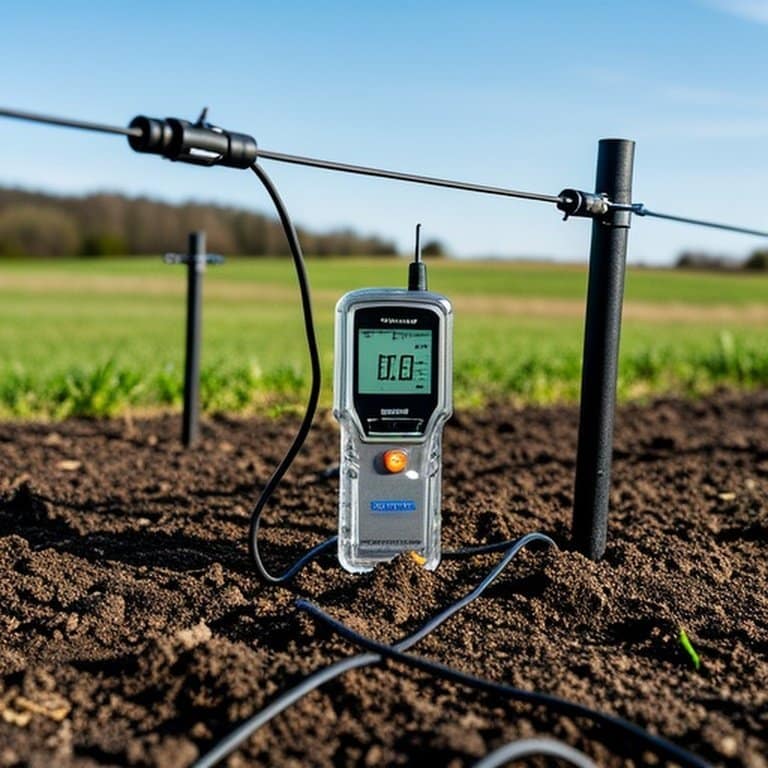
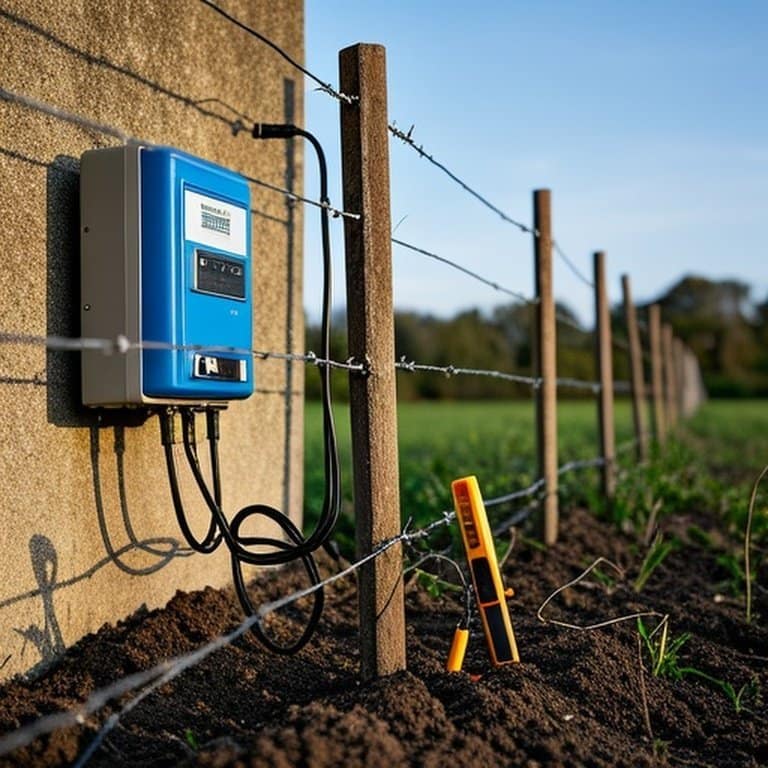
This section focuses on maintaining electric fences and diagnosing common problems. Topics include vegetation control, broken wires, faulty insulators, grounding issues, and storm-related damage.

How Weather and Rain Affect Electric Fence Performance

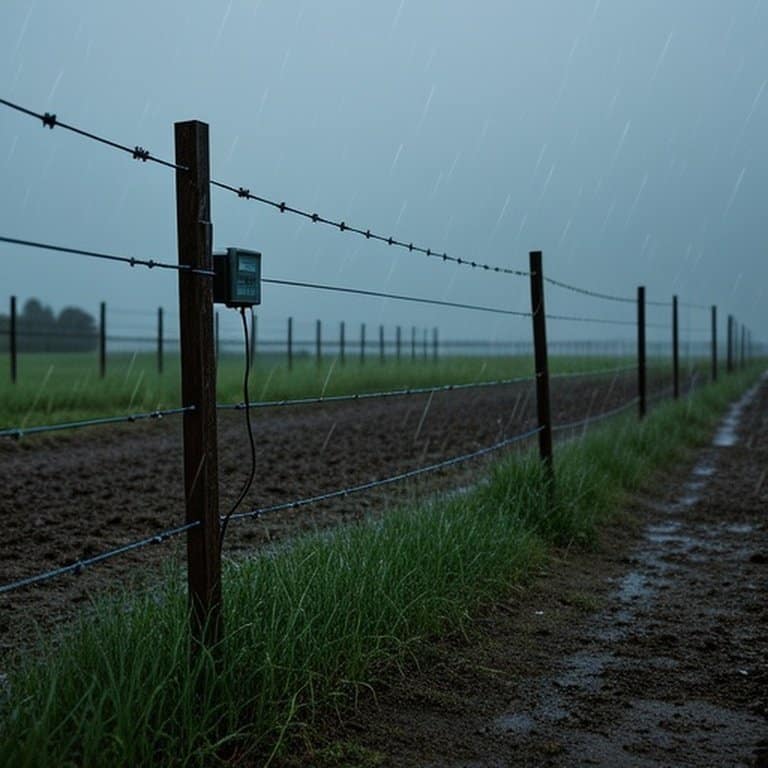
Short Answer Yes, weather and rain can significantly affect electric fence performance. Rain can improve grounding and increase shock effectiveness, but it can also increase energy loss through vegetation, wet insulators, and poor connections. Extreme weather conditions such as drought, freezing temperatures, or storms often cause voltage fluctuations rather than complete fence failure. Why This […]

How Weather and Rain Affect Electric Fence Performance Read More »

Electric Fence Maintenance & Troubleshooting
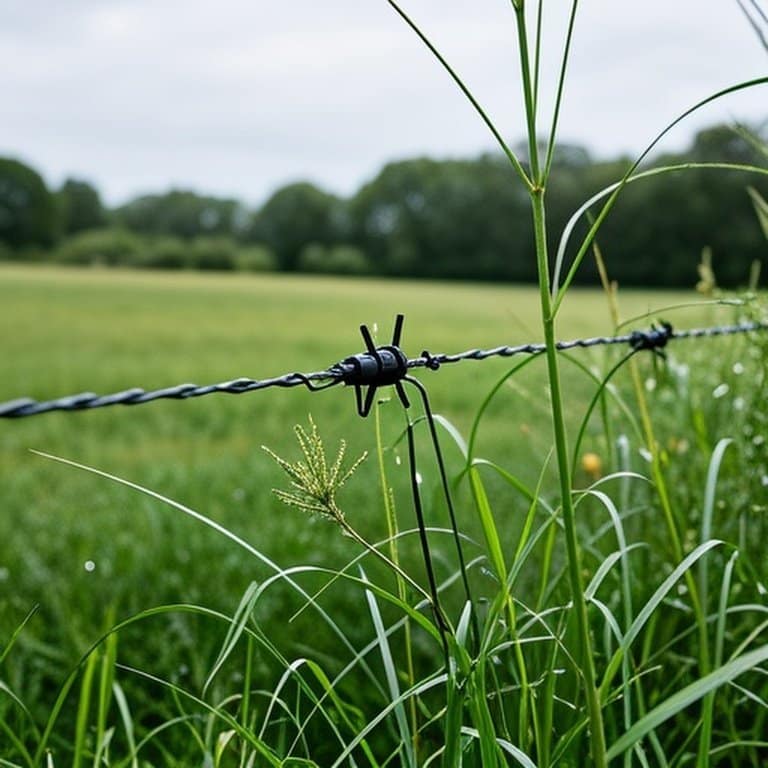
What are the most common electric fence problems and fixes?

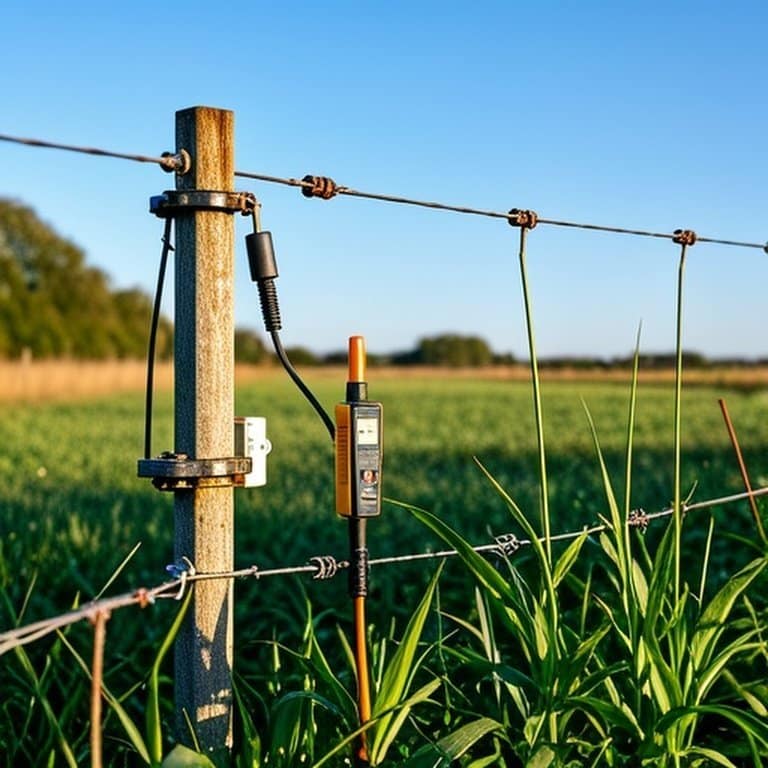
Short Answer The most common electric fence problems include low voltage, poor grounding, vegetation contact, faulty connections, and undersized energizers. These issues typically reduce shock effectiveness rather than stopping power entirely. In most cases, performance can be restored through targeted maintenance, improved grounding, vegetation control, or correcting fence layout and load problems. Why This Question

What are the most common electric fence problems and fixes? Read More »

Electric Fence Maintenance & Troubleshooting
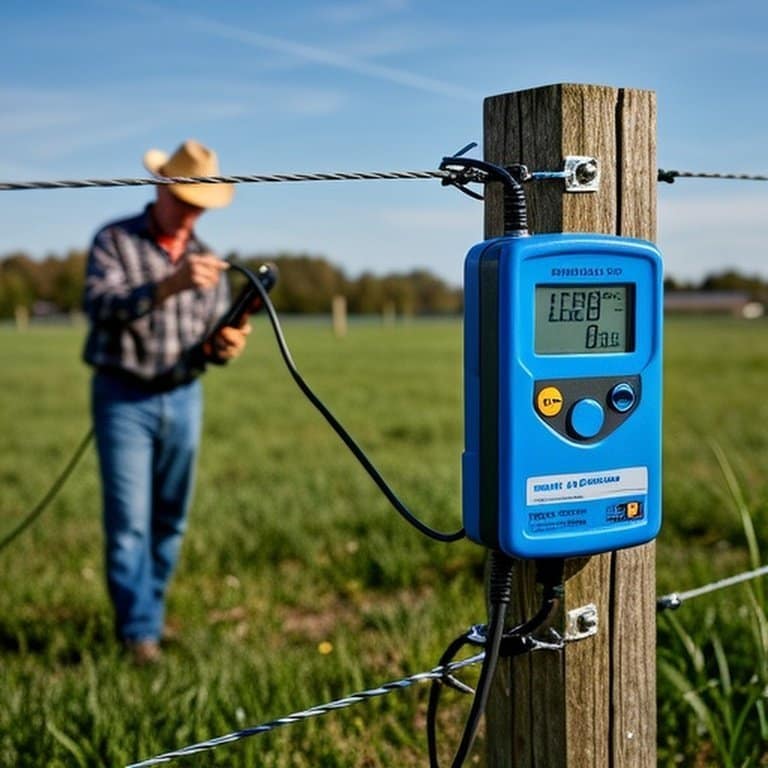
Why Does Vegetation Reduce Electric Fence Effectiveness?

Short Answer Vegetation reduces electric fence effectiveness because plants touching the fence wire draw electrical energy away from the system. Each contact creates a partial short to ground, draining voltage with every pulse. Over distance and time, this continuous energy loss weakens the shock delivered, even if the energizer itself is functioning correctly. Why This

Why Does Vegetation Reduce Electric Fence Effectiveness? Read More »

Electric Fence Maintenance & Troubleshooting
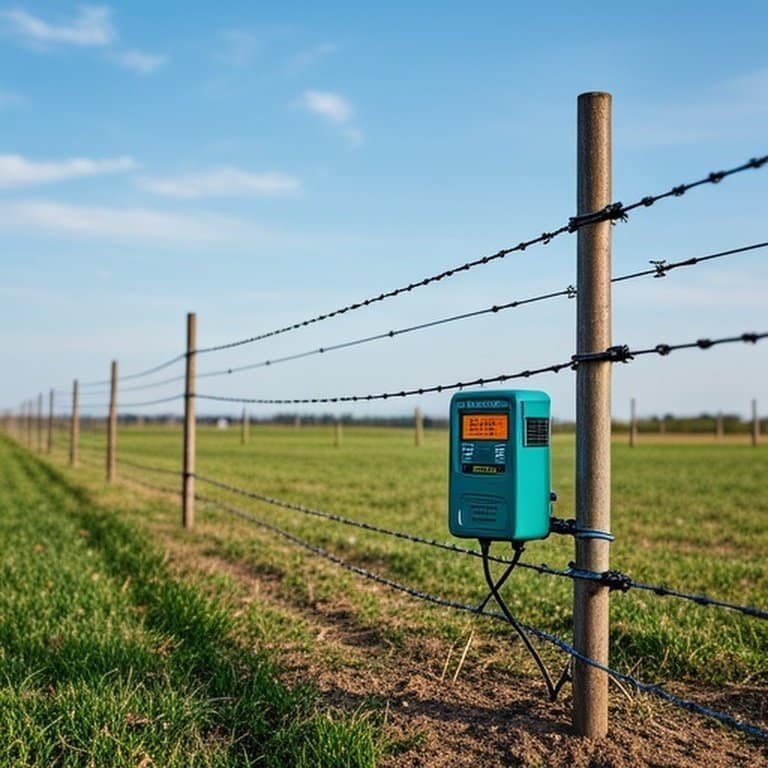
Why Does an Electric Fence Lose Power Over Distance?

Short Answer An electric fence loses power over distance mainly due to electrical resistance, energy leakage, and load accumulation along the fence line. As current travels farther, voltage drops naturally, especially when wire quality, grounding, connections, or vegetation contact are inadequate. Longer fence runs amplify small inefficiencies, reducing shock strength at the far end. Why

Why Does an Electric Fence Lose Power Over Distance? Read More »

Electric Fence Maintenance & Troubleshooting
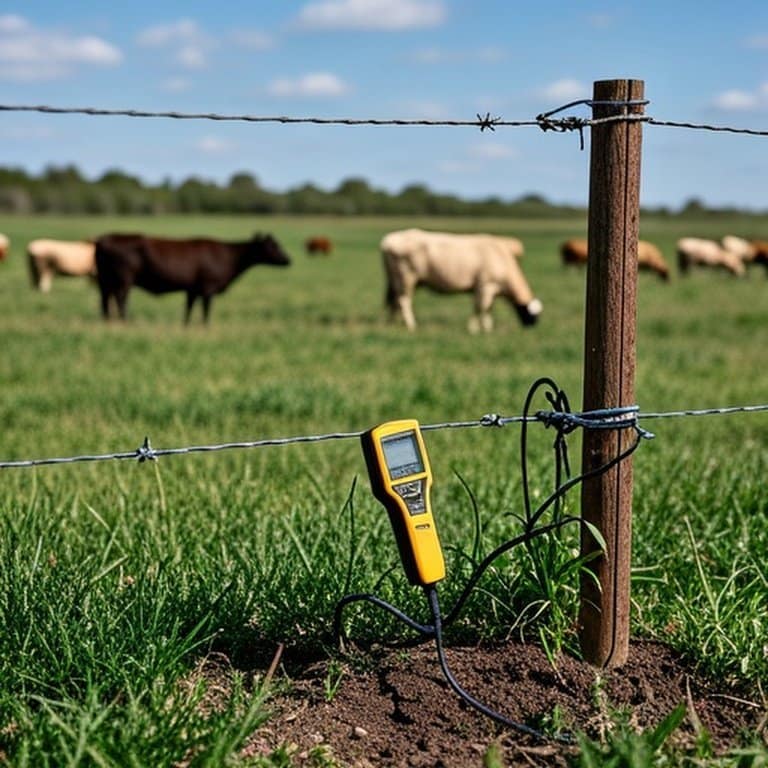
How Often Should an Electric Fence Be Maintained?

Short Answer An electric fence should be checked weekly during active use and after any major weather event, with more thorough inspections monthly and seasonally. High-pressure systems, permanent installations, and livestock containment fences require more frequent maintenance to ensure consistent voltage, animal safety, and reliable containment. Why This Question Matters Electric fences often fail not

How Often Should an Electric Fence Be Maintained? Read More »

Electric Fence Maintenance & Troubleshooting
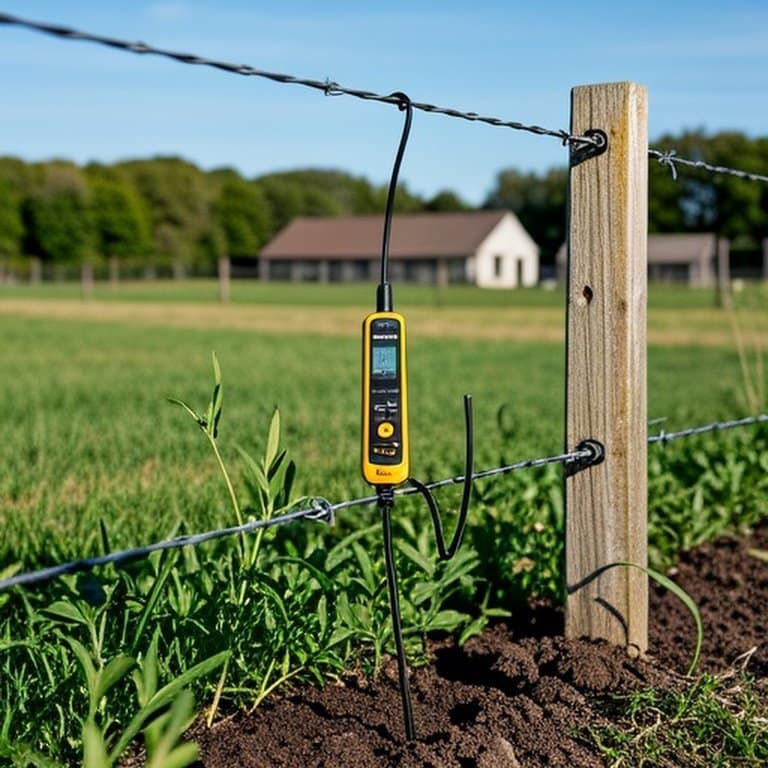
How do I find faults or shorts in an electric fence?

Short Answer To find faults or shorts in an electric fence, start by testing voltage at the energizer, then progressively disconnect fence sections to isolate the problem. Walk the fence line to look for grounding points such as vegetation, broken insulators, or wire contact with metal posts. Use a fence tester to confirm voltage drops

How do I find faults or shorts in an electric fence? Read More »

Electric Fence Maintenance & Troubleshooting
Scroll to Top