
Electric Fence Voltage & Grounding

Proper voltage and grounding are critical to electric fence performance. This section explains voltage requirements, grounding systems, testing methods, and common grounding-related problems.

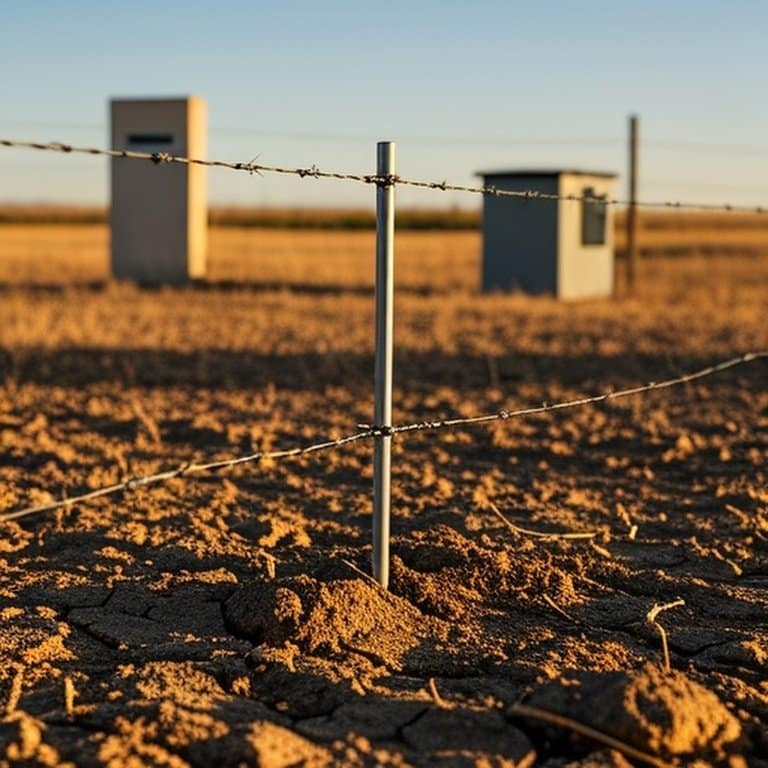
Why Does Electric Fence Voltage Drop in Dry or Frozen Ground?

Short Answer Electric fence voltage drops in dry or frozen ground because soil conductivity decreases sharply. Moist soil allows electrical energy to return to the energizer through the ground system, completing the circuit. When soil dries out or freezes, resistance increases, grounding becomes ineffective, and much less voltage reaches the animal—even if the energizer is […]

Why Does Electric Fence Voltage Drop in Dry or Frozen Ground? Read More »

Electric Fence Voltage & Grounding
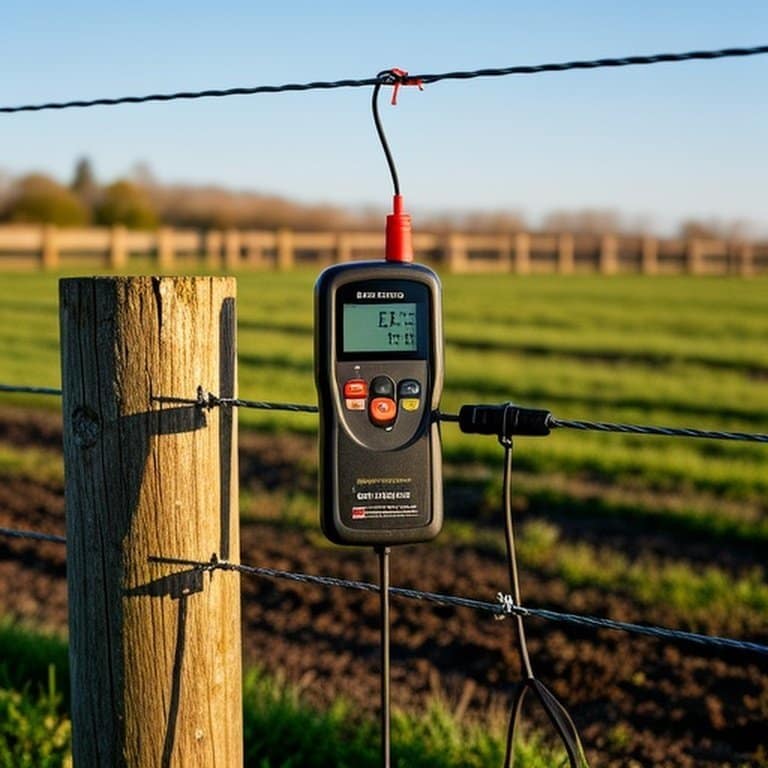
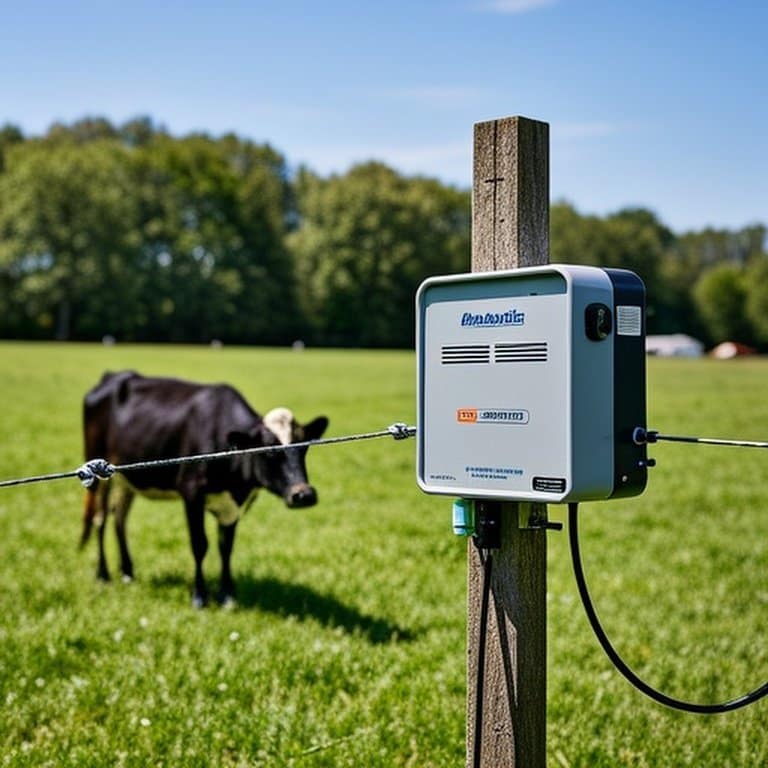
How to Test Electric Fence Voltage and Grounding Correctly

Short Answer To test electric fence voltage and grounding correctly, use a digital fence tester to measure voltage at multiple points along the fence, then perform a ground system test by deliberately loading the fence and checking voltage on the ground rods. Accurate testing confirms whether voltage loss comes from the fence line or from

How to Test Electric Fence Voltage and Grounding Correctly Read More »

Electric Fence Voltage & Grounding
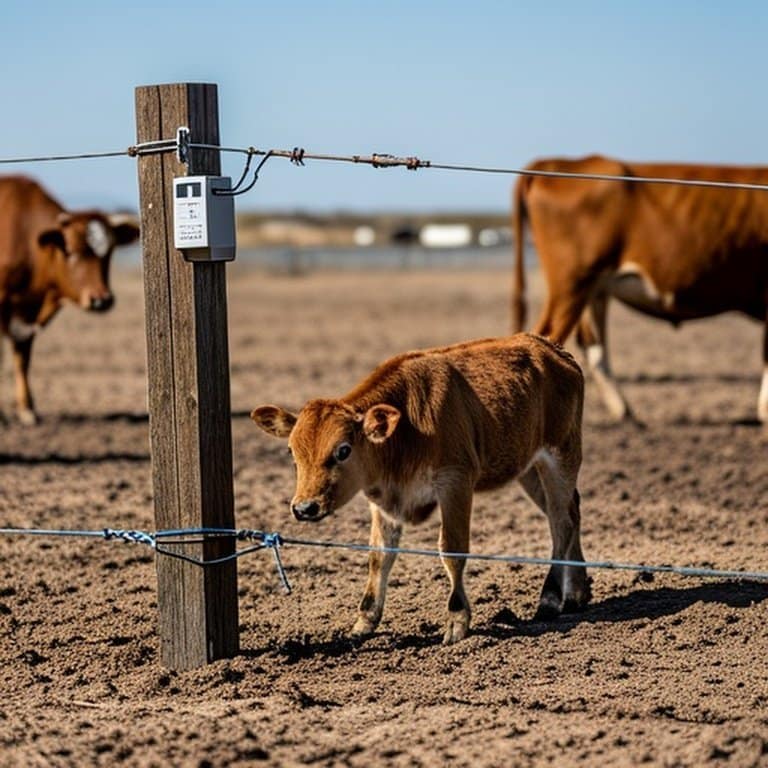
What Voltage Is Safe for Animals and Humans on an Electric Fence?

Short Answer Electric fences are safe for animals and humans when they operate between 4,000 and 10,000 volts, because they deliver very high voltage at extremely low amperage in short pulses. The shock is designed to be startling and memorable, not injurious. Safety depends far more on pulse duration, amperage, and grounding than on voltage

What Voltage Is Safe for Animals and Humans on an Electric Fence? Read More »

Electric Fence Voltage & Grounding

Can Poor Grounding Cause an Electric Fence to Fail?

Short Answer Yes, poor grounding is one of the most common reasons electric fences fail. Without effective grounding, electrical energy cannot return to the energizer, causing fence voltage to drop sharply. Even a powerful charger will deliver weak or inconsistent shocks if the ground system is undersized, poorly installed, or placed in low-conductivity soil. Why

Can Poor Grounding Cause an Electric Fence to Fail? Read More »

Electric Fence Voltage & Grounding
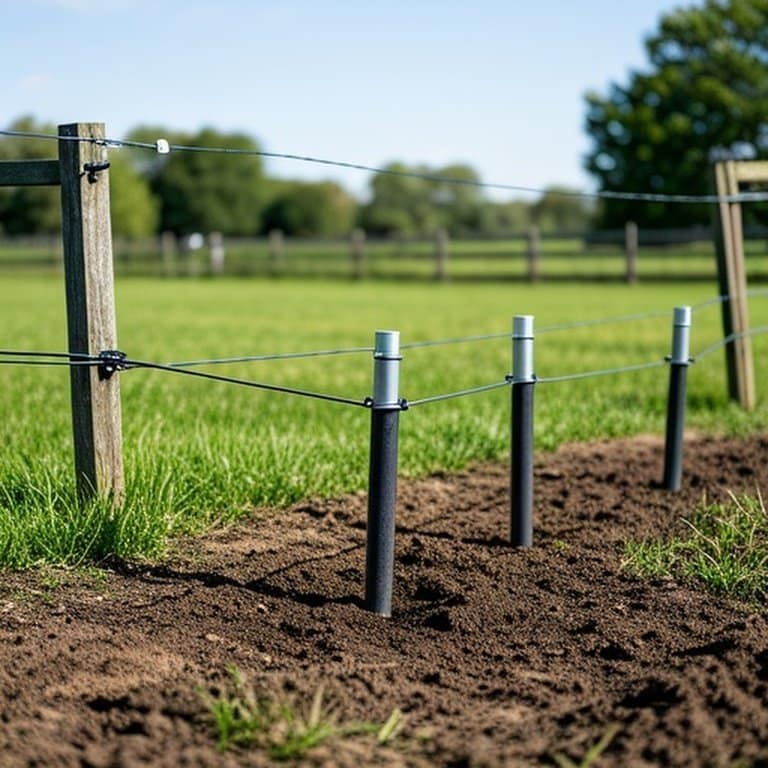
Does Soil Type Affect Electric Fence Grounding Performance?

Short Answer Yes, soil type has a major impact on electric fence grounding performance. Moist, mineral-rich soils conduct electricity well, while dry, sandy, rocky, or frozen soils greatly reduce grounding efficiency. Poor soil conductivity prevents electrical energy from returning to the energizer, resulting in lower fence voltage and weaker shocks, even when the energizer itself

Does Soil Type Affect Electric Fence Grounding Performance? Read More »

Electric Fence Voltage & Grounding

How Do You Properly Ground an Electric Fence? Step-by-Step Guide

Short Answer To properly ground an electric fence, install at least three galvanized ground rods, spaced 10 feet apart, driven fully into moist soil, and connect them with a single continuous ground wire to the energizer’s ground terminal. Proper grounding allows electrical energy to return efficiently, ensuring the fence delivers a strong, effective shock every

How Do You Properly Ground an Electric Fence? Step-by-Step Guide Read More »

Electric Fence Voltage & Grounding
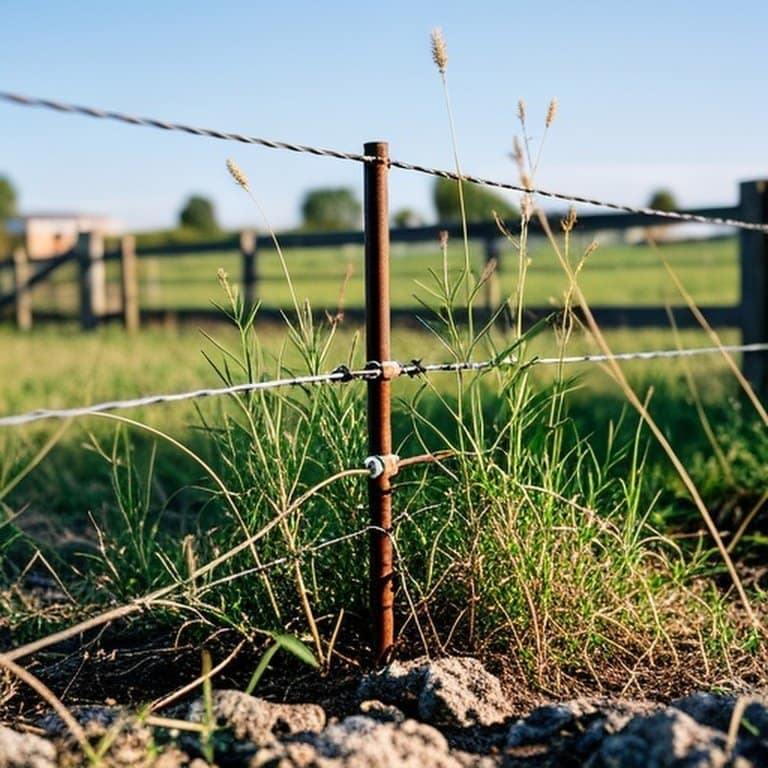
Why Is My Electric Fence Voltage Too Low? Common Causes Explained

Short Answer Electric fence voltage is usually too low because of poor grounding, heavy vegetation contact, faulty connections, or an undersized energizer. In most cases, the charger is working, but voltage is being lost before it reaches the fence line. Low voltage is rarely caused by a single failure—it is almost always the result of

Why Is My Electric Fence Voltage Too Low? Common Causes Explained Read More »

Electric Fence Voltage & Grounding
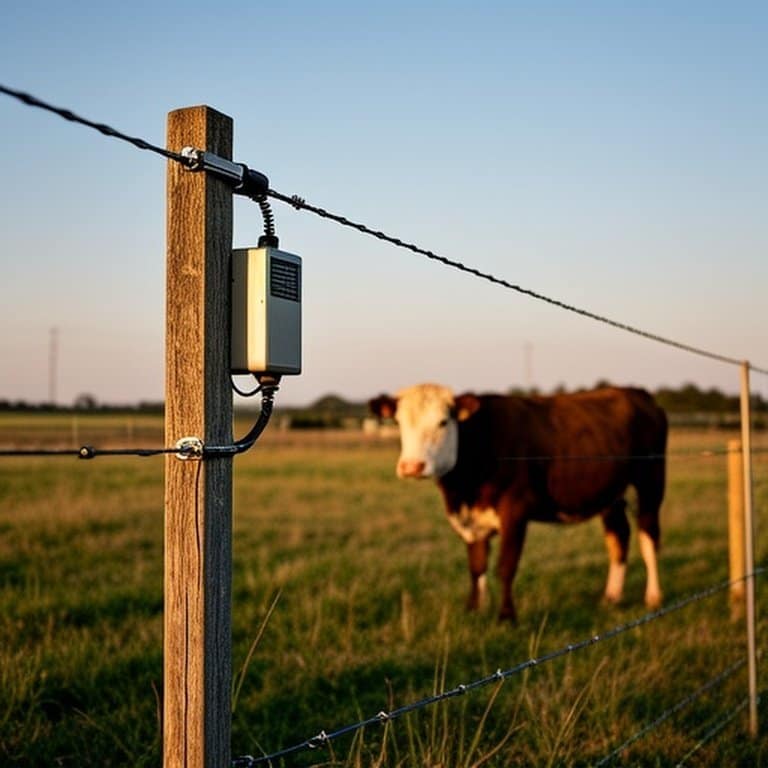
What Is the Minimum Voltage for an Electric Fence to Stop Livestock?

Short Answer The minimum voltage required to stop livestock is about 3,000 volts, but this is a functional minimum, not a reliable target. In real-world conditions, most livestock are consistently contained only when fence voltage stays above 4,000–5,000 volts at the fence line. Anything lower increases the risk of animals testing, pushing, or ignoring the

What Is the Minimum Voltage for an Electric Fence to Stop Livestock? Read More »

Electric Fence Voltage & Grounding
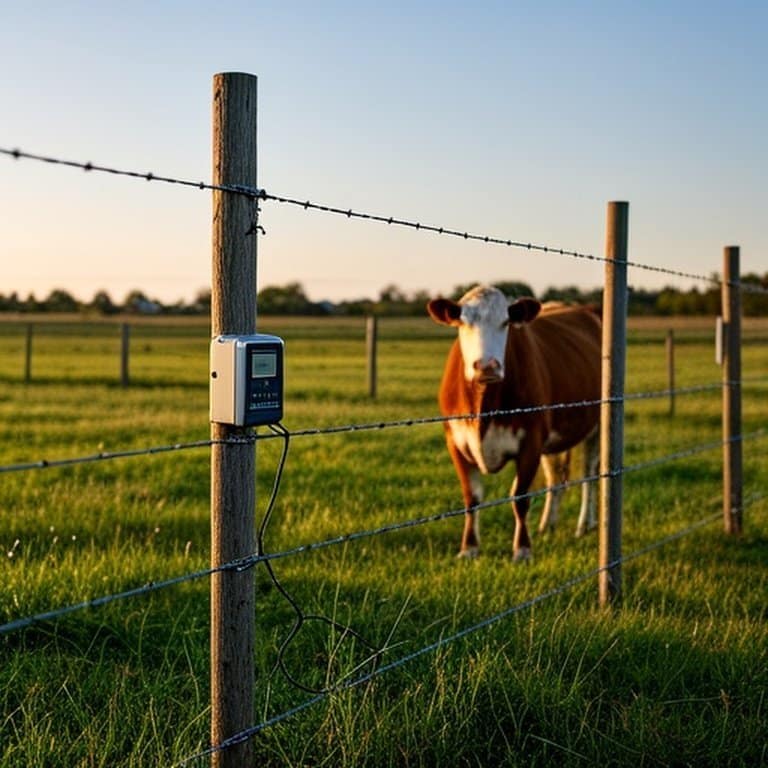
How Many Volts Should an Electric Fence Have to Be Effective?

Short Answer An electric fence is generally effective when it delivers at least 4,000–5,000 volts at the fence line. For animals with thicker hides or stronger pressure behavior, 6,000–8,000 volts is often recommended. Voltage below these levels may still shock, but it usually fails to create a reliable psychological barrier that keeps livestock contained. Why

How Many Volts Should an Electric Fence Have to Be Effective? Read More »

Electric Fence Voltage & Grounding
Scroll to Top