Electric Fencing
Electric Fencing for Livestock
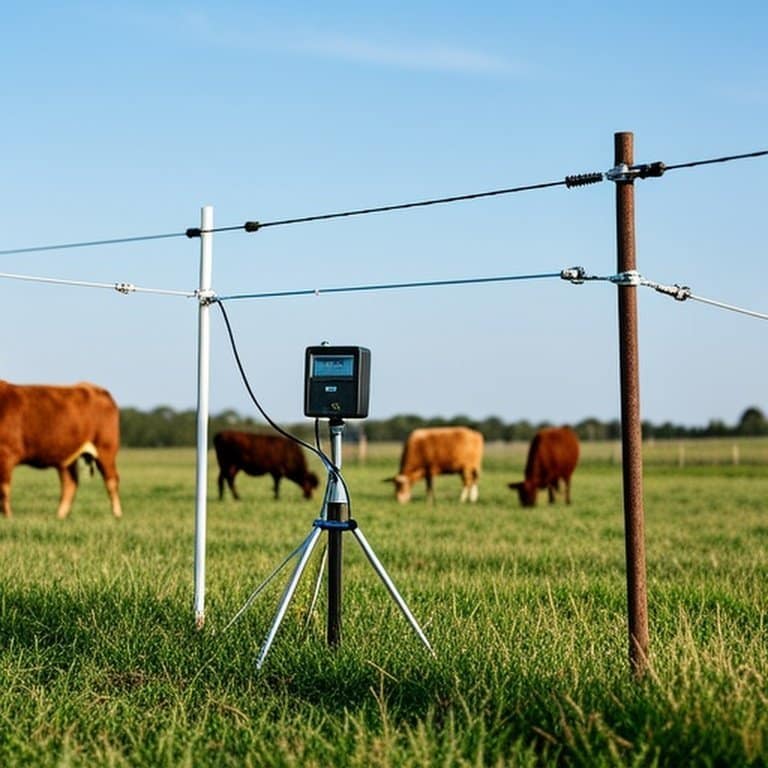
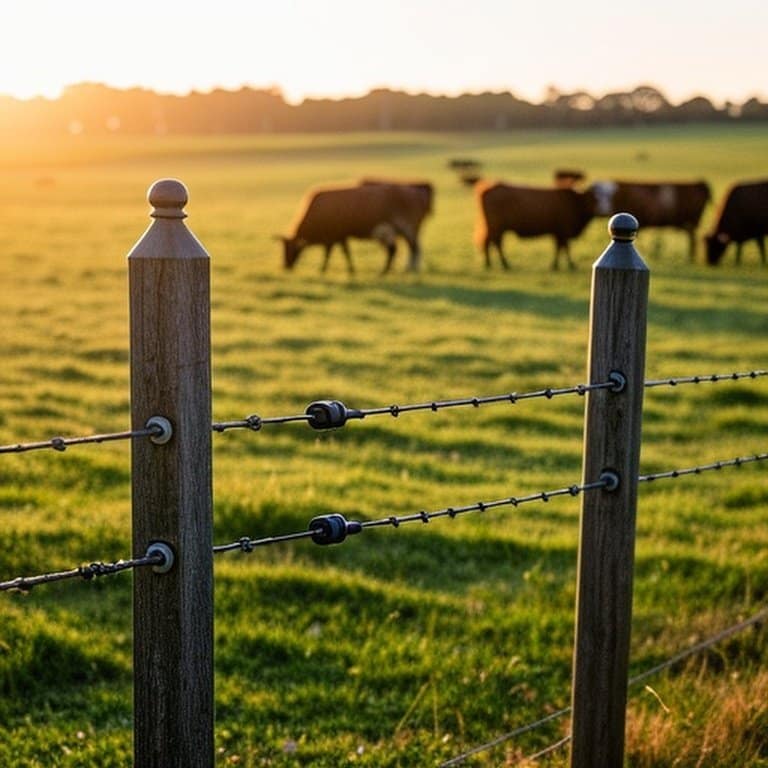
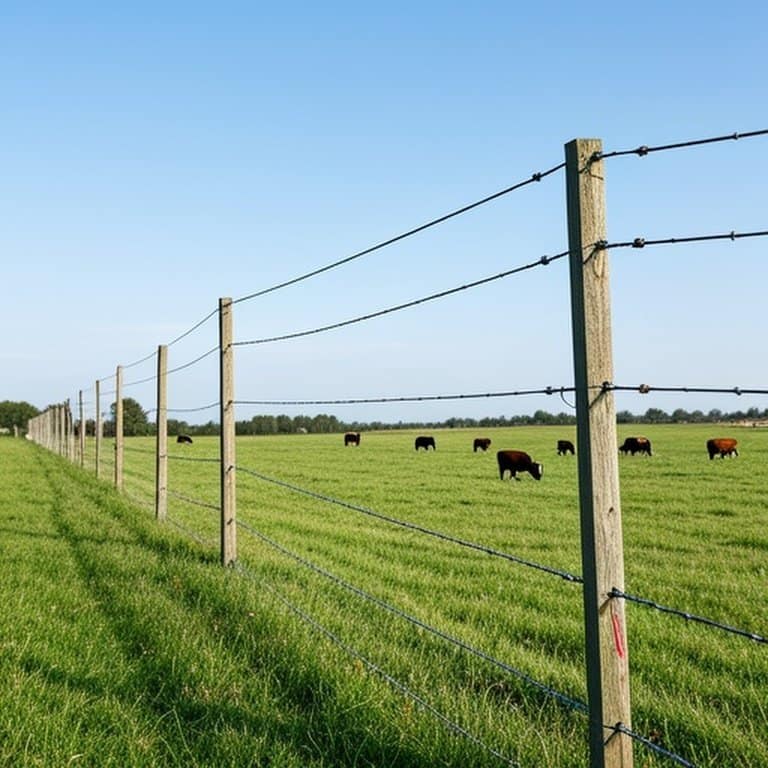
Electric fencing is a flexible and cost-effective solution for livestock containment, rotational grazing, and predator deterrence. This section covers electric fence installation, voltage and grounding systems, energizers, maintenance, safety, and long-term design strategies for both permanent electric fencing systems and temporary and portable electric fencing setups.
What This Section Covers
Permanent Electric Fencing
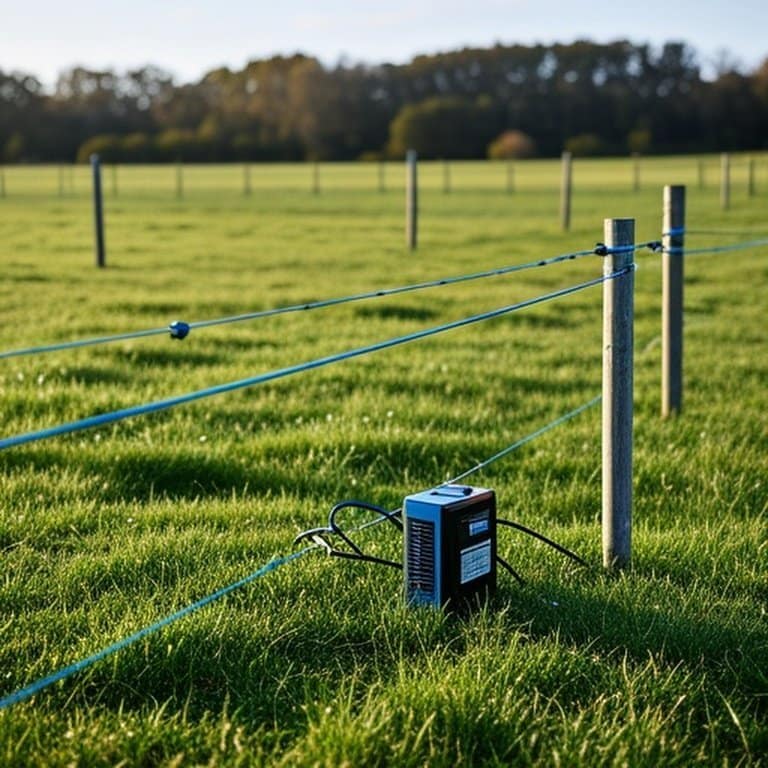
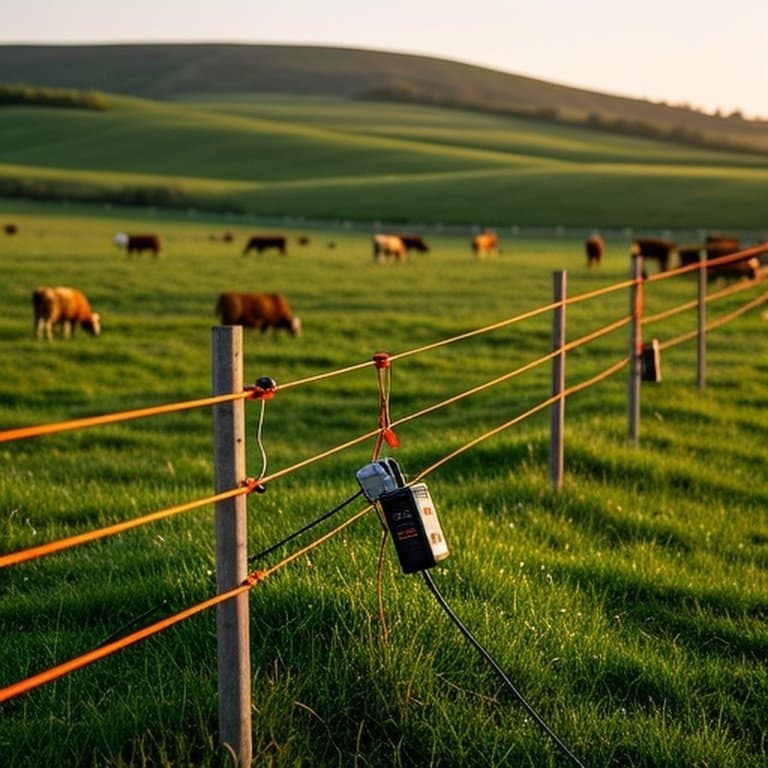
Long-term perimeter electric fencing systems designed for cattle, mixed herds, and predator control. Permanent Electric Fencing covers multi-strand layouts, grounding systems, and durability considerations for installations intended to last decades with proper maintenance.
Temporary & Portable Electric Fencing
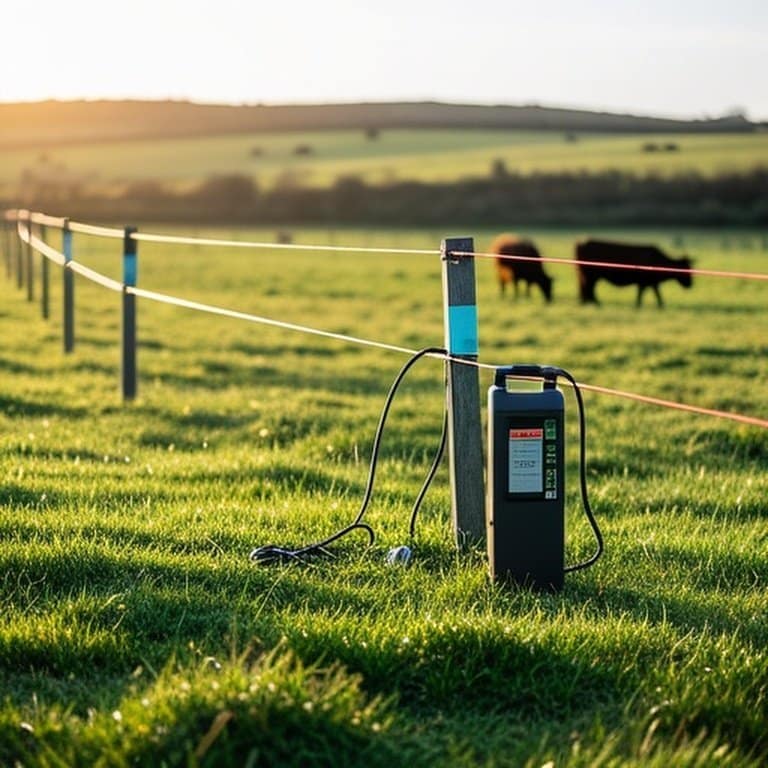
Moveable fencing solutions for rotational grazing systems and strip grazing. Temporary & Portable Electric Fencing includes polywire, tape systems, and step-in posts that enable flexible pasture management and seasonal grazing patterns.
Electric Fence Installation
Step-by-step setup guidance including post spacing, wire height, tensioning, and system layout planning. Electric Fence Installation provides comprehensive instructions following best practices from our DIY fence installation guide adapted for electric systems.
Voltage & Grounding Systems
How electric fences work, recommended voltage levels, grounding rod design, and common grounding mistakes. Voltage & Grounding Systems explains the critical role of electric fence grounding systems in maintaining consistent shock effectiveness.
Fence Energizers & Power Sources
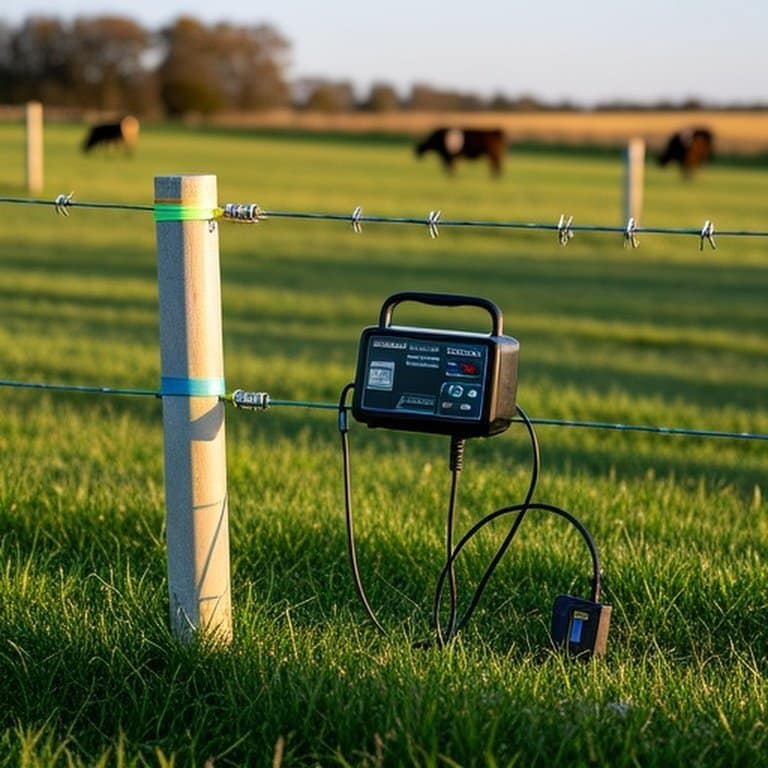
Solar vs plug-in energizers, joule ratings, battery systems, and choosing the correct output for livestock size. Fence Energizers & Power Sources provides detailed guidance on selecting the right electric fence energizer guide for your specific application.
Maintenance & Troubleshooting
Diagnosing low voltage, fixing shorts, vegetation control, storm damage repair, and seasonal inspection checklists. Maintenance & Troubleshooting offers comprehensive electric fence troubleshooting guide solutions for common system failures.
Electric Fence Safety & Regulations
Animal safety, human safety, lightning protection, surge prevention, and local compliance considerations. Electric Fence Safety & Regulations covers electric fence legal requirements that vary by jurisdiction and property type.
Common Decision Scenarios
If you need a low-cost perimeter solution → See Permanent Electric Fencing for cost-effective boundary systems that provide reliable containment without the material expense of traditional woven wire.
If you rotate grazing frequently → See Temporary & Portable Electric Fencing for moveable systems that enable flexible pasture division and intensive grazing management.
If your fence voltage keeps dropping → See Voltage & Grounding Systems to diagnose grounding failures, vegetation shorts, and energizer capacity issues reducing shock effectiveness.
If predators are testing boundaries → See predator-resistant electric fencing strategies that combine proper voltage, wire spacing, and offset designs to deter coyotes, wolves, and other threats.
If you are unsure about energizer size → See Fence Energizer Guide to calculate joule requirements based on fence length, vegetation pressure, and livestock species.
If lightning storms are common in your area → See lightning protection and surge prevention systems that protect energizers and prevent equipment damage during electrical storms.
Electric Fence System Types Explained
Single-Strand Electric Fence
Used for trained cattle and interior pasture division. Single-strand systems provide psychological barriers for animals familiar with electric fencing, offering the lowest installation cost and simplest maintenance requirements.
Multi-Strand Electric Fence
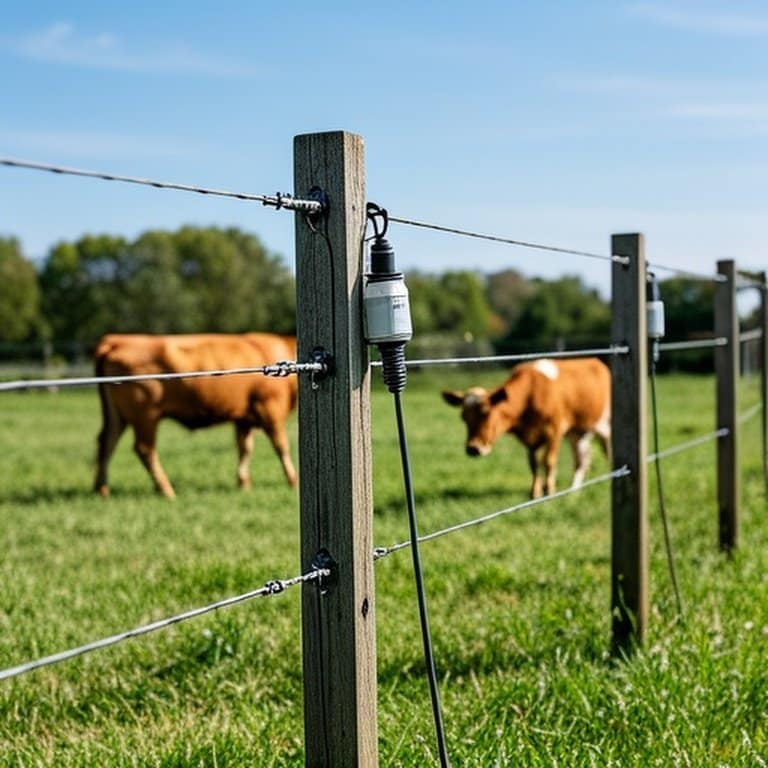
Recommended for perimeter and higher pressure livestock. Multi-strand configurations with three to seven wires provide graduated containment for different animal sizes and prevent jumping or ducking under the fence line.
Electric Offset Systems
Combined with woven wire fencing for additional predator protection. Offset electrified wires mounted on brackets prevent predators from climbing over physical barriers while maintaining livestock containment.
High-Tensile Electric Systems
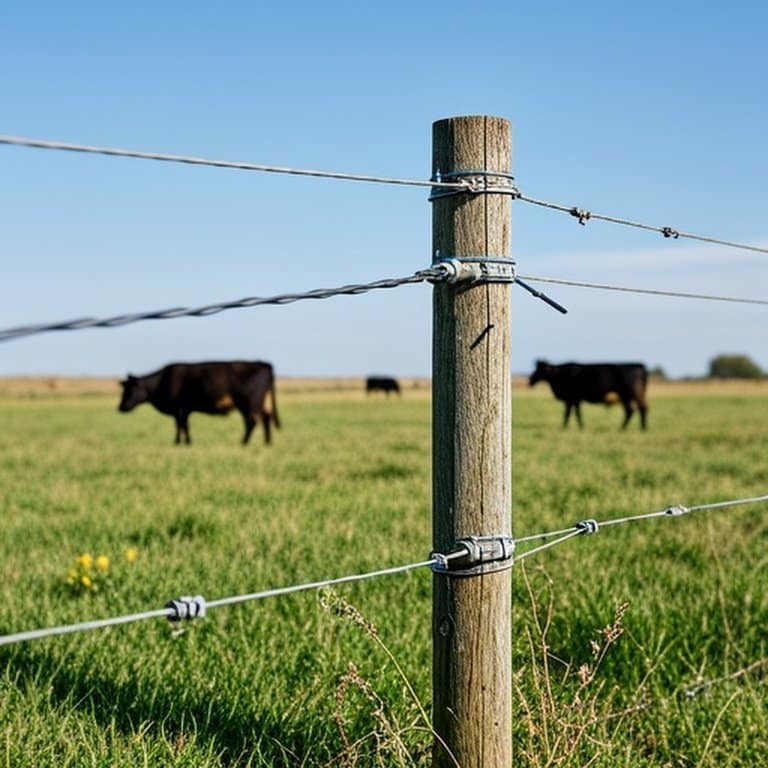
Permanent installations with long-distance coverage. High-tensile wire fencing systems maintain tension over long spans, reducing post requirements and providing durability in demanding conditions.
Polywire & Polytape Systems
Best for temporary, portable, and strip grazing applications. Lightweight conductors with woven metal threads offer visibility and flexibility for frequently moved fencing systems.
How Electric Fencing Works
Pulse Delivery and Shock Cycle
Electric fence energizers deliver short-duration, high-voltage pulses approximately once per second. This pulsed design provides effective deterrence while remaining safe, as the brief contact duration prevents sustained muscle contraction or cardiac interference.
The Ground Return Path
Electric fences require proper grounding to complete the circuit through the animal and soil. Soil and grounding considerations including moisture content, mineral composition, and ground rod installation depth critically affect system performance.
Voltage vs Joules Explained
Voltage measures electrical pressure at the fence wire, while joules measure stored energy output. Understanding joule output ratings helps match energizer capacity to fence length and vegetation load for consistent performance.
When Electric Fencing Works Best
Electric fencing excels in specific applications where flexibility, cost-effectiveness, and livestock behavior combine favorably:
Rotational grazing systems requiring frequent pasture division changes benefit from portable electric fencing that moves easily between paddocks. Large open pasture management with minimal obstructions allows long wire runs from single energizer locations. Flexible seasonal fencing accommodates changing herd sizes and grazing patterns without permanent infrastructure investment. Wildlife and predator fencing systems enhanced with electrification provide superior deterrence compared to physical barriers alone. Interior cross fencing divides existing fields without the material cost of traditional wire installations.
When Electric Fencing May Not Be Ideal
Certain environmental and operational conditions reduce electric fence effectiveness or create maintenance challenges:
Areas with heavy snow drift burial can ground out wires for extended winter periods, eliminating containment effectiveness. High vegetation growth without regular maintenance creates continuous shorts that drain voltage below effective levels. Extremely rocky ground limiting grounding prevents proper ground rod installation, compromising the return circuit path. Livestock not properly trained to electric systems may challenge fences before learning respect, particularly young animals or newly purchased stock unfamiliar with electric deterrence.
Related Planning & Design Sections
Effective electric fence design integrates with broader fencing strategy and property planning. Fence Height & Spacing Guidelines provides species-specific recommendations for wire placement and height. Fencing Types & Materials compares electric systems against barbed wire, woven wire, and specialty options. Installation & Maintenance covers post setting, bracing, wire tensioning, and inspection schedules. Costs, Safety & Regulations addresses budgeting, legal compliance, and safety requirements for electric fencing installations.
Top Questions About Electric Fencing
How much voltage is needed for cattle?
Most cattle require 3,000–5,000 volts for reliable containment, though larger animals may need higher output depending on fence length, vegetation load, and grounding quality. Properly maintained systems typically maintain 4,000+ volts at the furthest fence point.
Does rain affect electric fences?
Rain can improve grounding conductivity by moistening soil, which enhances the return circuit path. However, wet vegetation touching wires may reduce voltage output by creating additional load on the energizer through increased short circuit current.
Are electric fences safe for livestock?
Yes. Modern energizers use short, pulsed shocks designed to deter without causing lasting harm. The brief pulse duration prevents sustained muscle contraction, and low amperage output remains below thresholds that cause injury to healthy animals.
How many grounding rods do I need?
Most systems require at least three six-foot grounding rods spaced ten feet apart for stable voltage performance. Poor soil conductivity, long fence runs, or high vegetation pressure may require additional grounding rods to maintain proper circuit completion.
Can electric fencing stop predators?
When properly installed with adequate voltage and spacing, electric fencing significantly improves predator deterrence. Multi-strand designs with wires at nose and shoulder height create psychological barriers that discourage predators from testing fences, though determined predators may still challenge inadequately maintained systems.