
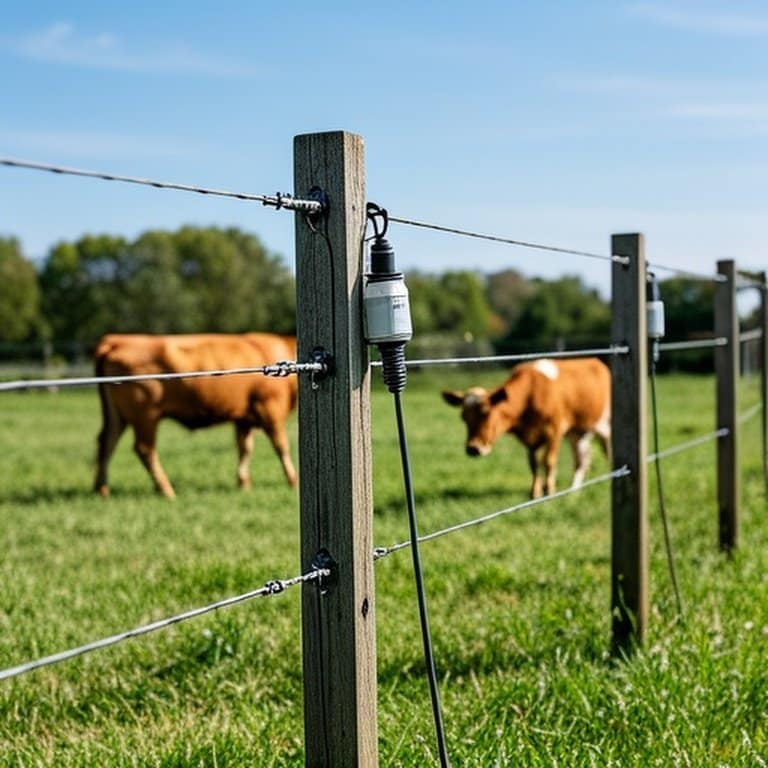
Permanent Electric Fencing

Permanent electric fencing systems are designed for long-term livestock containment. This section covers fence layout, materials, grounding, durability, costs, and best practices for permanent electric fences.

Is Permanent Electric Fencing Safe for Livestock and People?

Short Answer Yes, permanent electric fencing is safe for livestock and people when properly installed and maintained. These systems deliver high voltage but very low amperage pulses, designed to startle—not injure. The shock is brief and controlled, making it safe for animals and humans while remaining effective as a deterrent when grounding, voltage, and visibility […]

Is Permanent Electric Fencing Safe for Livestock and People? Read More »

Permanent Electric Fencing
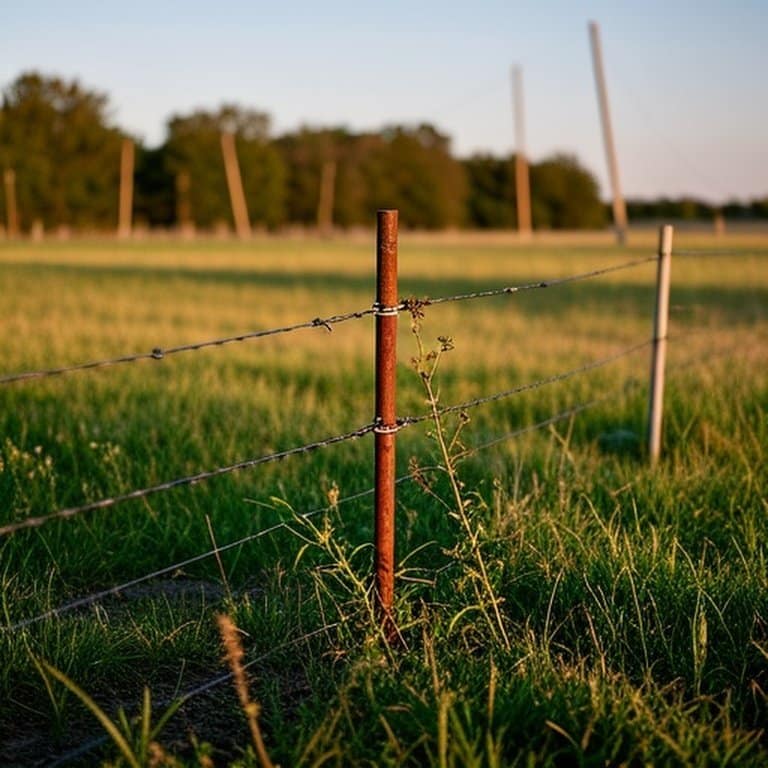

What Are the Most Common Problems with Permanent Electric Fences?

Short Answer The most common problems with permanent electric fences are poor grounding, inadequate voltage, vegetation contact, weak corner or gate construction, and inconsistent maintenance. Most failures are not caused by the fence itself, but by design shortcuts or neglected components that reduce voltage consistency and allow livestock to test and eventually ignore the fence.

What Are the Most Common Problems with Permanent Electric Fences? Read More »

Permanent Electric Fencing
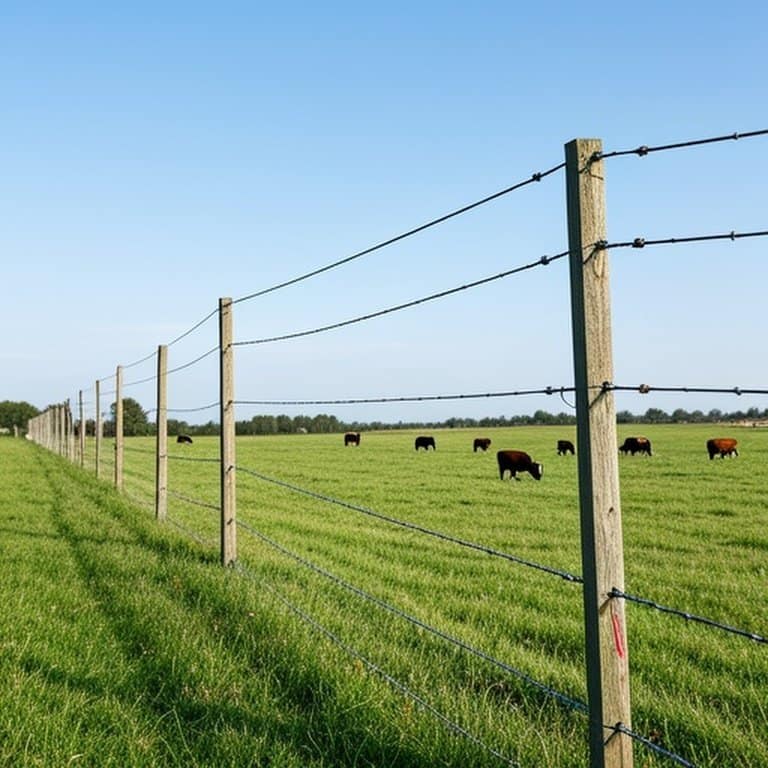
How Many Strands Do You Need for Permanent Electric Fencing?

Short Answer Most permanent electric fences use 2–5 strands, depending on livestock type, pressure level, and whether the fence is interior or perimeter. For trained cattle, 2–3 strands are often sufficient. Perimeter fences, mixed livestock, or higher pressure areas usually require 4–5 strands to ensure visibility, respect, and year-round reliability. Why This Question Matters Strand

How Many Strands Do You Need for Permanent Electric Fencing? Read More »

Permanent Electric Fencing
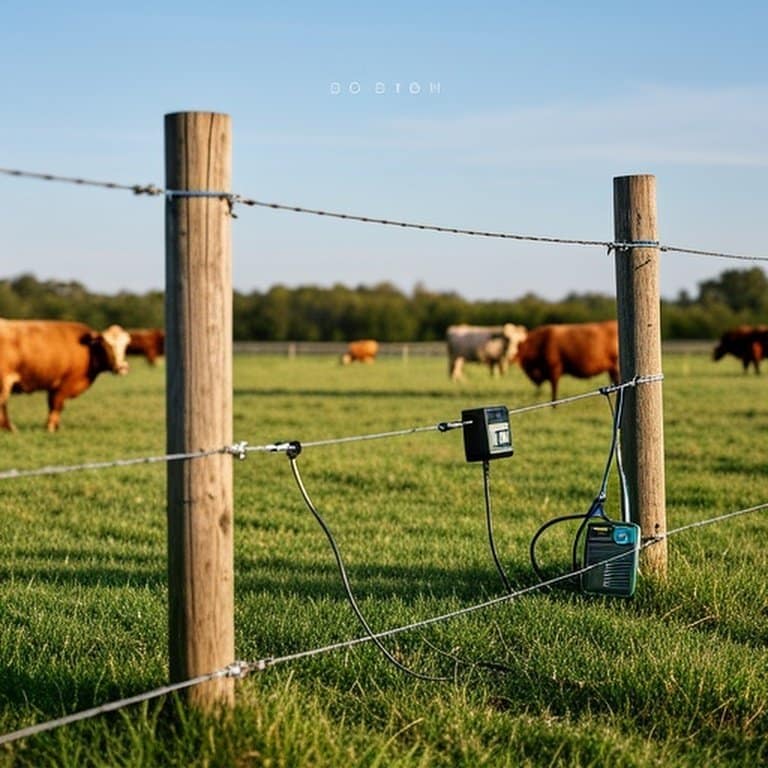
Can Permanent Electric Fencing Be Used as a Perimeter Fence?

Why This Question Matters Perimeter fencing is the most important fence on any property—when it fails, consequences are immediate and costly. Many operators hesitate to use electric fencing on boundaries because they assume only physical fences are "secure enough." Others install electric perimeter fences incorrectly and conclude they don’t work. This question matters because permanent

Can Permanent Electric Fencing Be Used as a Perimeter Fence? Read More »

Permanent Electric Fencing

Permanent vs Temporary Electric Fencing: What’s the Difference?

Short Answer Permanent electric fencing is a fixed, long-term system built with high-tensile wire, solid posts, and continuous power, designed to last for decades. Temporary electric fencing uses lightweight posts and portable materials, prioritizing flexibility and quick setup. The core difference is longevity versus adaptability—permanent fences stay put; temporary fences move. Why This Question Matters

Permanent vs Temporary Electric Fencing: What’s the Difference? Read More »

Permanent Electric Fencing
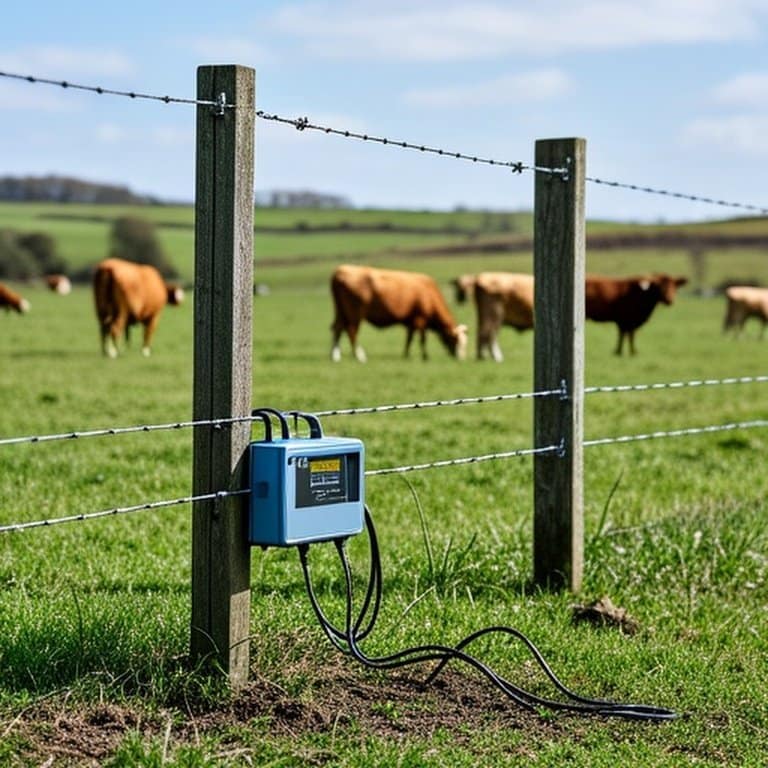
How Much Does Permanent Electric Fencing Cost per Acre?

Short Answer Permanent electric fencing typically costs $300 to $900 per acre, depending on fence layout, terrain, number of strands, materials, and labor. Simple perimeter systems on flat ground fall near the lower end, while complex layouts with corners, gates, and heavy grounding requirements push costs higher. Long-term costs are usually lower than most physical

How Much Does Permanent Electric Fencing Cost per Acre? Read More »

Permanent Electric Fencing
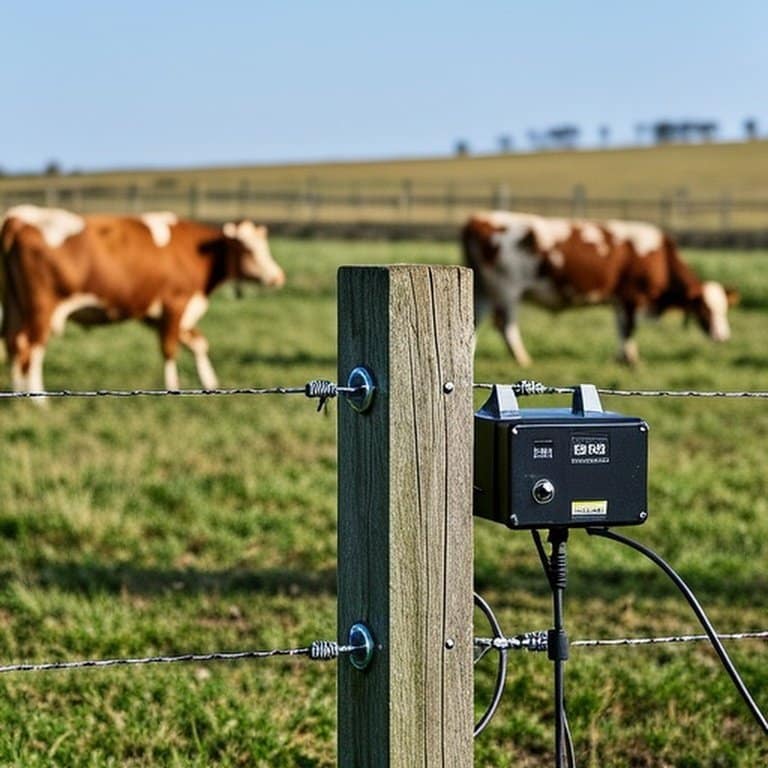
What Materials Are Best for Permanent Electric Fencing?

Short Answer The best materials for permanent electric fencing are high-tensile galvanized steel wire, durable wood or steel posts, heavy-duty insulators, and a properly sized energizer with a robust grounding system. These materials are chosen for longevity, low maintenance, and consistent electrical performance over decades, not short-term convenience. Why This Question Matters Permanent electric fencing

What Materials Are Best for Permanent Electric Fencing? Read More »

Permanent Electric Fencing
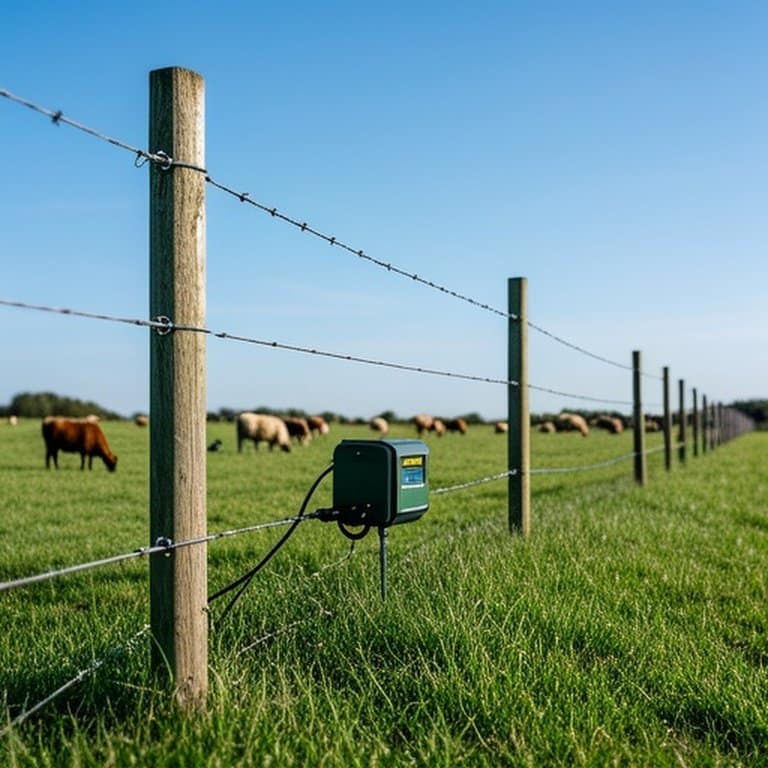
How Long Does a Permanent Electric Fence Last?

Short Answer A properly installed permanent electric fence typically lasts 20–30 years, and often longer with routine maintenance. High-tensile wire, solid posts, quality insulators, and a correctly sized energizer and grounding system determine lifespan. Most failures attributed to “age” are actually caused by poor installation or neglected maintenance rather than material limits. Why This Question

How Long Does a Permanent Electric Fence Last? Read More »

Permanent Electric Fencing
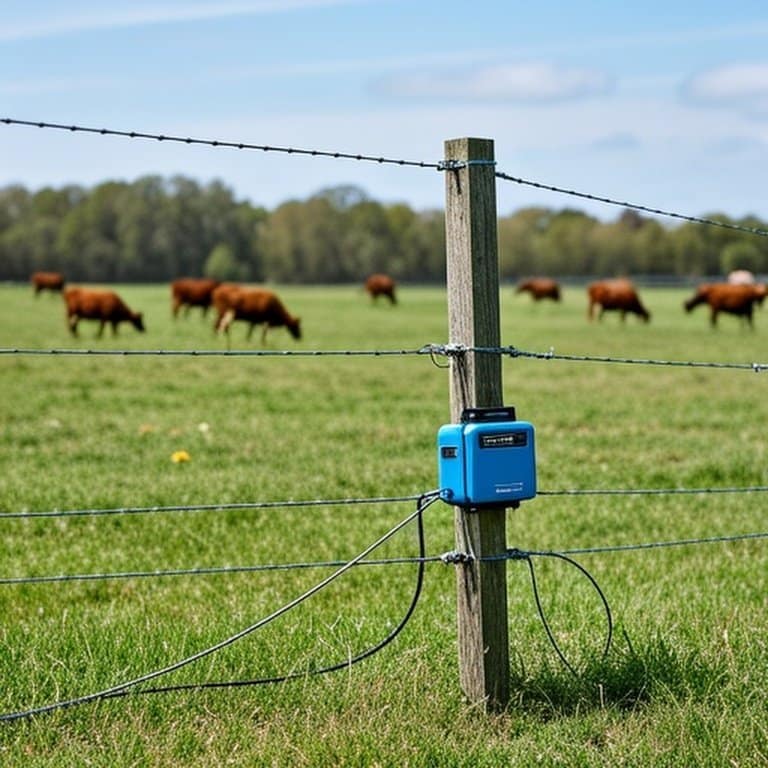
Is Permanent Electric Fencing Worth the Cost?

Short Answer Yes, permanent electric fencing is worth the cost for long-term livestock operations where reliability, low maintenance, and consistent containment matter. Although upfront installation costs are higher than temporary systems, permanent electric fencing typically costs less over time by reducing repairs, labor, escapes, and fence replacements when properly designed and grounded. Why This Question

Is Permanent Electric Fencing Worth the Cost? Read More »

Permanent Electric Fencing

What Is Permanent Electric Fencing and How Does It Work?

Short Answer Permanent electric fencing is a fixed, long-term fencing system designed to remain in place year-round, using durable posts, high-quality wire, and a continuously powered energizer. It works by delivering short, high-voltage, low-amperage pulses through the fence wire, creating a psychological barrier that trains livestock to avoid contact rather than physically restraining them. Why

What Is Permanent Electric Fencing and How Does It Work? Read More »

Permanent Electric Fencing
Scroll to Top