
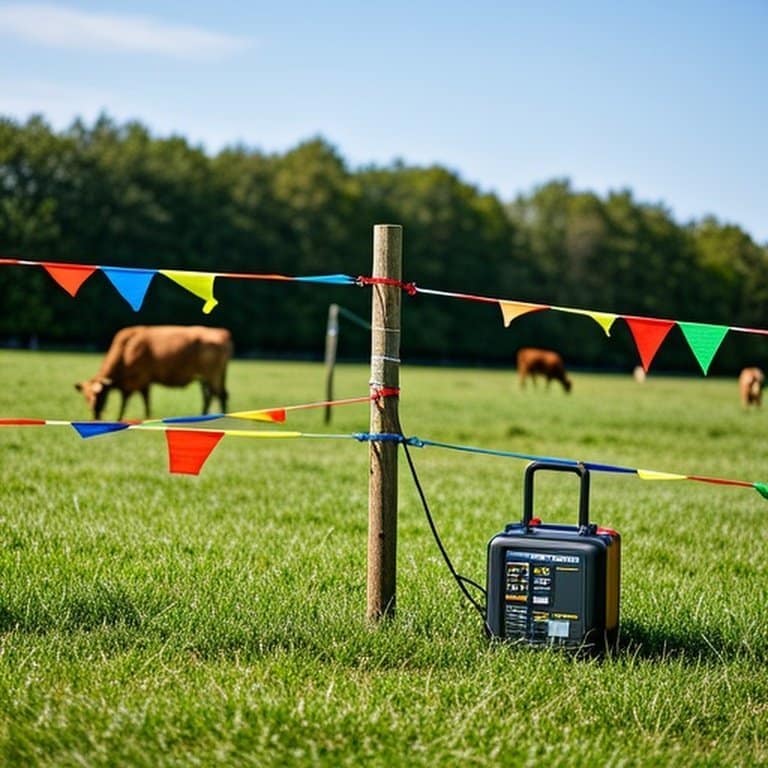
Temporary / Portable Electric Fencing

Temporary and portable electric fencing is commonly used for rotational grazing and short-term livestock control. Learn about setup, portability, power options, and when temporary electric fencing works best.

Is Temporary Electric Fencing Safe for Livestock and People?

Short Answer Yes, temporary electric fencing is safe for both livestock and people when installed and used correctly. These systems deliver a short, high-voltage but low-amperage pulse designed to startle, not injure. Most safety concerns arise from improper grounding, unsuitable energizers, or misuse—not from the fencing technology itself. Why This Question Matters Safety is the […]

Is Temporary Electric Fencing Safe for Livestock and People? Read More »

Temporary / Portable Electric Fencing
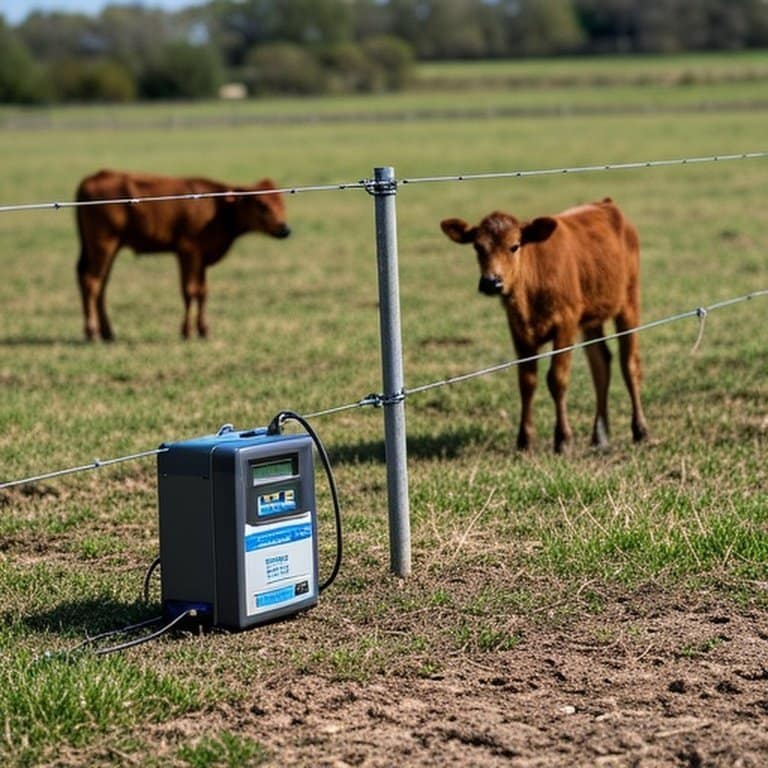
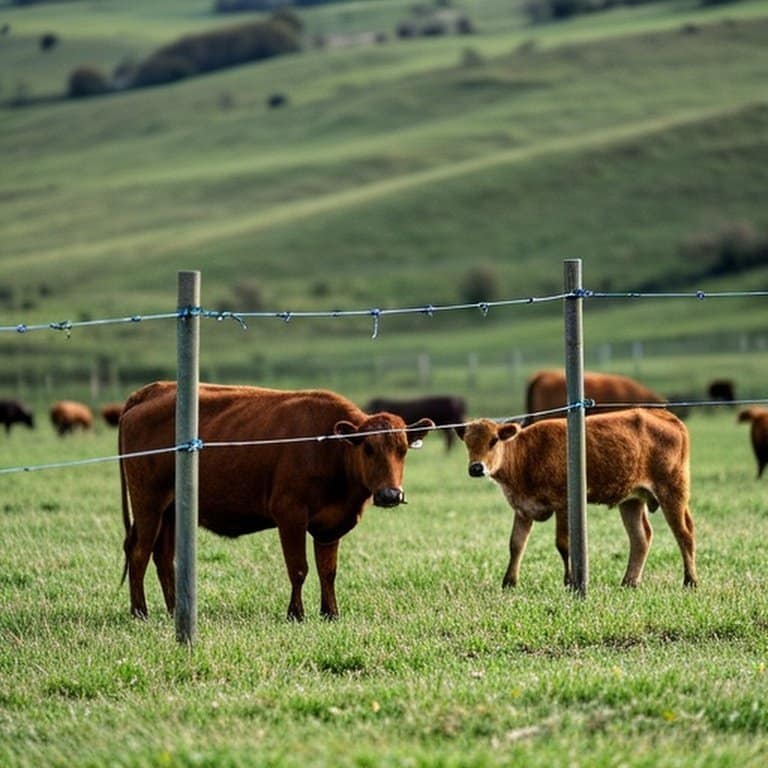
What Are the Most Common Problems with Portable Electric Fences?

Short Answer The most common problems with portable electric fences are low voltage, poor grounding, inadequate fence visibility, insufficient tension, and animal pressure exceeding fence design. These issues usually stem from setup shortcuts, weak energizers, or mismatches between livestock behavior and fence configuration rather than from the fencing concept itself. Why This Question Matters Portable

What Are the Most Common Problems with Portable Electric Fences? Read More »

Temporary / Portable Electric Fencing
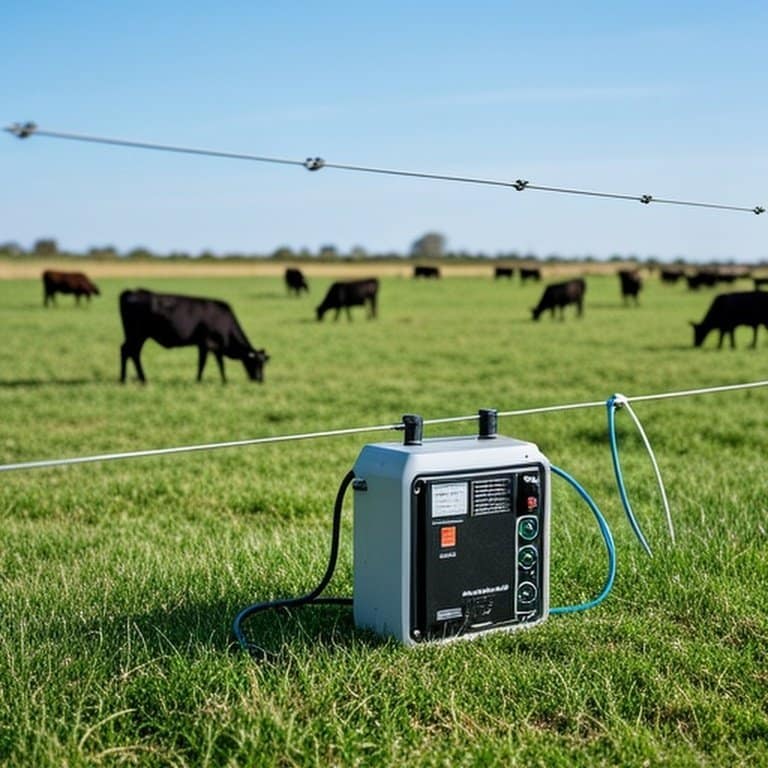
How Many Strands Are Needed for Temporary Electric Fencing?

Short Answer Most temporary electric fencing setups use one to three strands, depending on livestock type, training, and pressure. Well-trained cattle often require just one visible strand, while calves, sheep, or high-pressure situations typically need two or three strands. The correct number balances control, visibility, and ease of movement rather than maximizing wire count. Why

How Many Strands Are Needed for Temporary Electric Fencing? Read More »

Temporary / Portable Electric Fencing
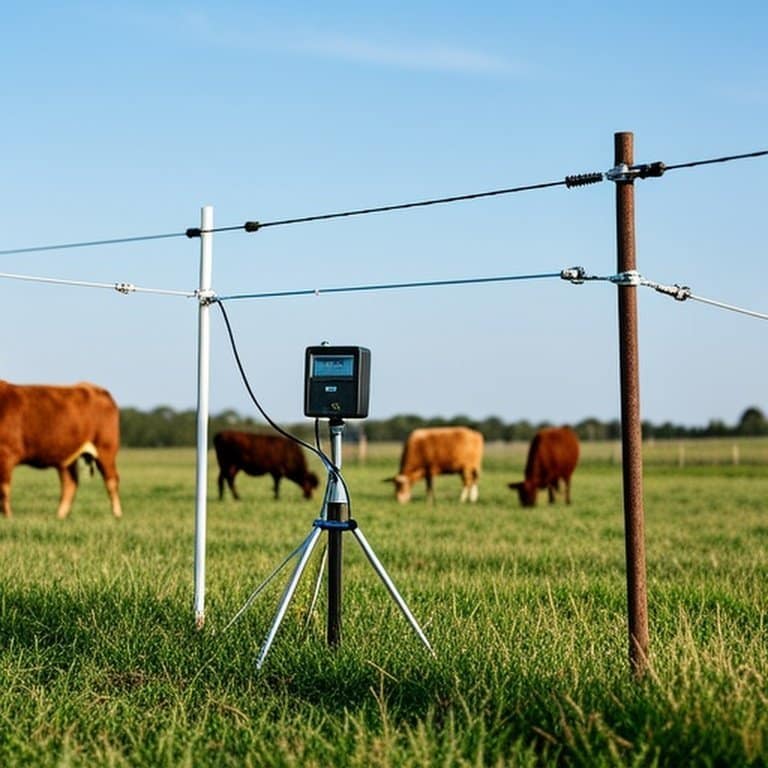
Can You Use Temporary Electric Fencing for Rotational Grazing?

Short Answer Yes, temporary electric fencing is one of the most effective tools for rotational grazing. It allows precise control of livestock movement, grazing pressure, and rest periods by creating flexible paddocks that can be moved frequently. When voltage is consistent and animals are trained, temporary fencing performs exceptionally well for managed grazing systems. Why

Can You Use Temporary Electric Fencing for Rotational Grazing? Read More »

Temporary / Portable Electric Fencing
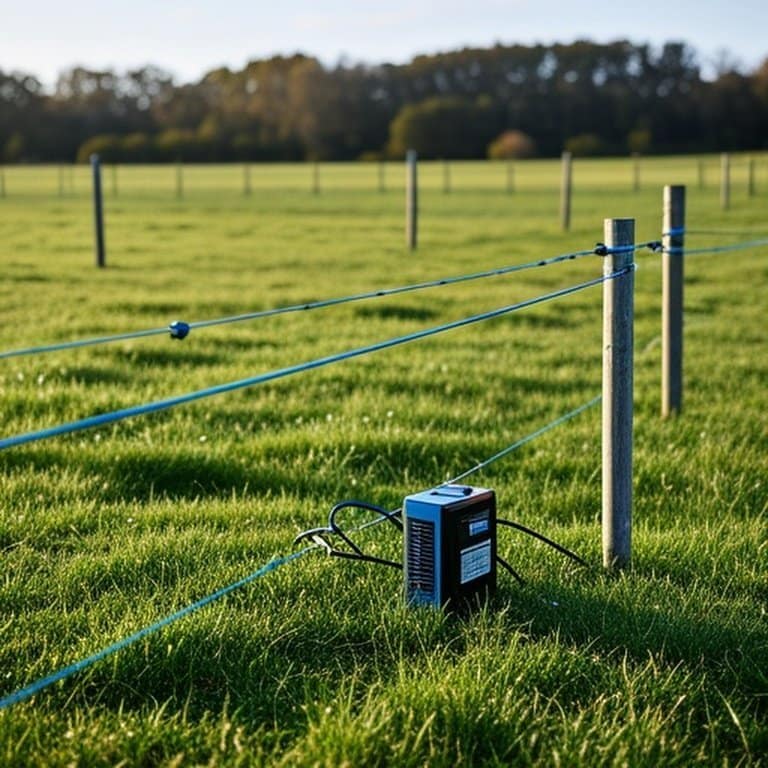
Temporary vs Permanent Electric Fencing: Which Is Better?

Short Answer Neither system is universally better. Temporary electric fencing is better for flexibility, rotational grazing, and short-term control, while permanent electric fencing is better for long-term boundaries, perimeters, and low-maintenance reliability. The best choice depends on how often fence lines move, livestock pressure, labor availability, and how long the fence is expected to stay

Temporary vs Permanent Electric Fencing: Which Is Better? Read More »

Temporary / Portable Electric Fencing
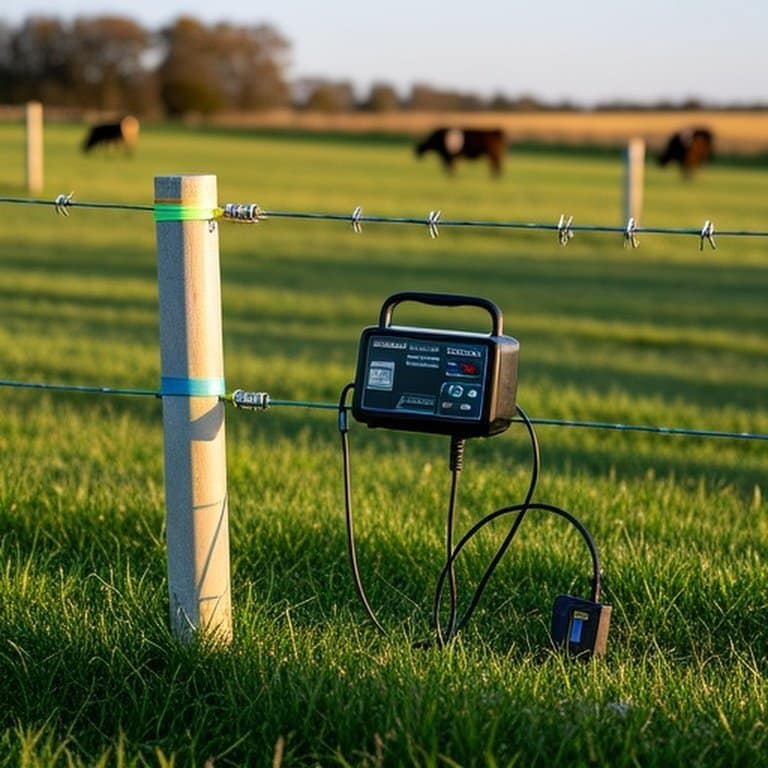
How Much Does Temporary Electric Fencing Cost per Acre?

Short Answer Temporary electric fencing typically costs $50–$200 per acre for materials, depending on layout, livestock type, and component quality. Simple single-strand systems with step-in posts fall at the low end, while multi-strand, high-visibility setups with stronger energizers cost more. Labor and management time are ongoing costs not included in material estimates. Why This Question

How Much Does Temporary Electric Fencing Cost per Acre? Read More »

Temporary / Portable Electric Fencing
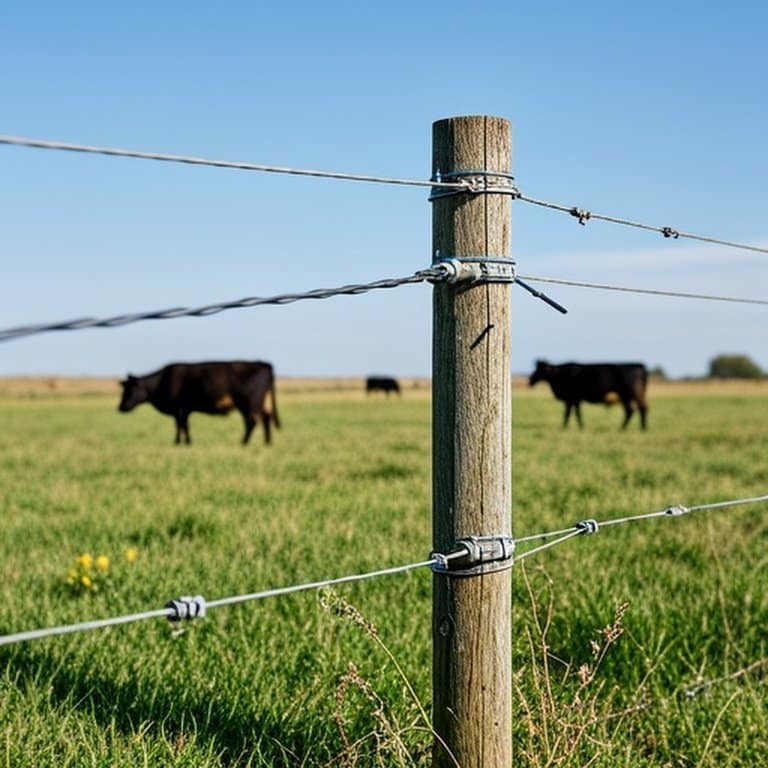
What Materials Are Best for Portable Electric Fencing?

Short Answer The best materials for portable electric fencing are step-in posts, polywire or polytape with stainless steel conductors, quality insulators, and a reliable portable energizer. These materials balance visibility, conductivity, durability, and ease of movement. The right combination depends on livestock type, terrain, and how often the fence will be moved. Why This Question

What Materials Are Best for Portable Electric Fencing? Read More »

Temporary / Portable Electric Fencing
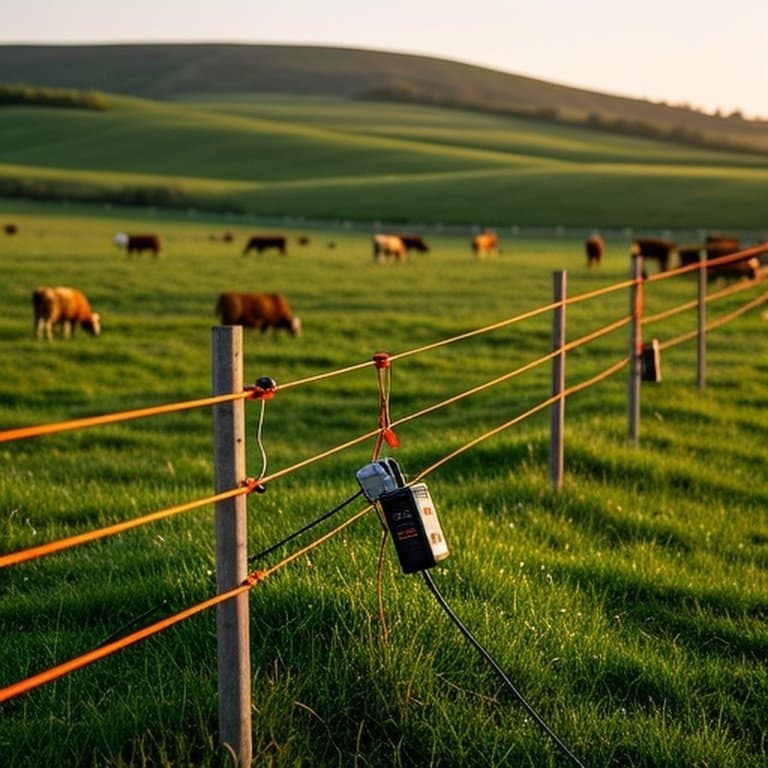
How Long Can a Temporary Electric Fence Stay in Place?

Short Answer A temporary electric fence can stay in place from a few days to several months, depending on materials, management, animal pressure, and weather. While some setups function reliably for an entire grazing season, temporary fencing is not designed for multi-year installation. Its lifespan is defined more by management intent than by structural durability.

How Long Can a Temporary Electric Fence Stay in Place? Read More »

Temporary / Portable Electric Fencing
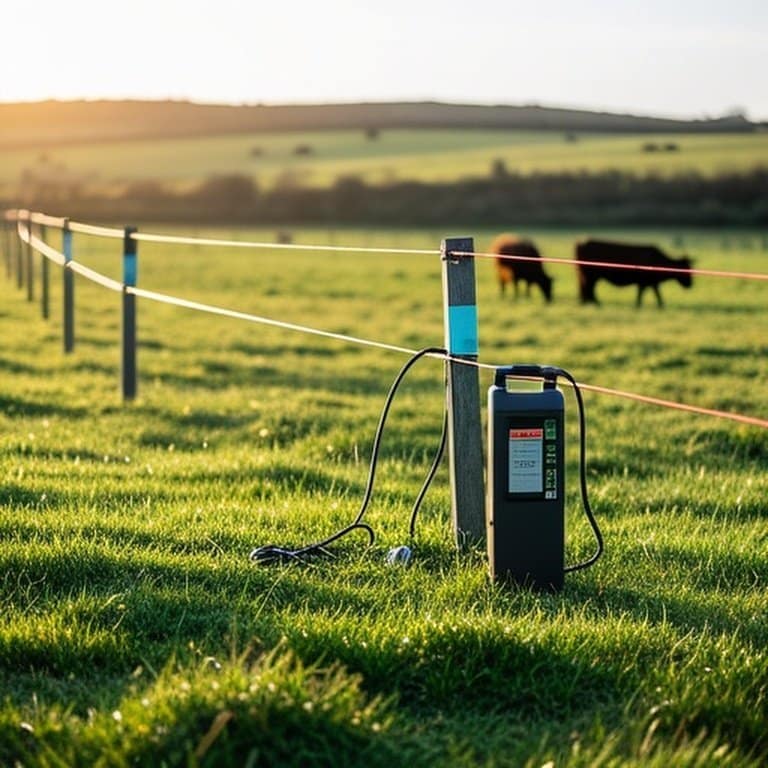
Is Temporary Electric Fencing Effective for Livestock Control?

Short Answer Yes, temporary electric fencing is effective for livestock control when used correctly. It relies on consistent voltage, good visibility, and trained animals to create a psychological barrier rather than a physical one. For rotational grazing, short-term paddocks, and controlled movement, it can perform as reliably as permanent fencing under the right conditions. Why

Is Temporary Electric Fencing Effective for Livestock Control? Read More »

Temporary / Portable Electric Fencing

What Is Temporary Electric Fencing and When Should You Use It?

Short Answer Temporary electric fencing is a portable, flexible fencing system designed for short-term livestock control. It uses lightweight posts, polywire or tape, and a movable energizer to create a psychological barrier rather than a permanent structure. You should use it when flexibility, quick setup, and frequent layout changes are more important than long-term durability.

What Is Temporary Electric Fencing and When Should You Use It? Read More »

Temporary / Portable Electric Fencing
Scroll to Top