Short Answer
For most farm and livestock fencing projects, materials account for 50–70% of total cost, while labor makes up 30–50%. Electric fencing leans heavily toward materials, especially energizers and wire, whereas woven wire, wood, and complex perimeter fences often see labor costs rival or exceed material expenses due to installation time, terrain, and bracing requirements.
Why This Question Matters
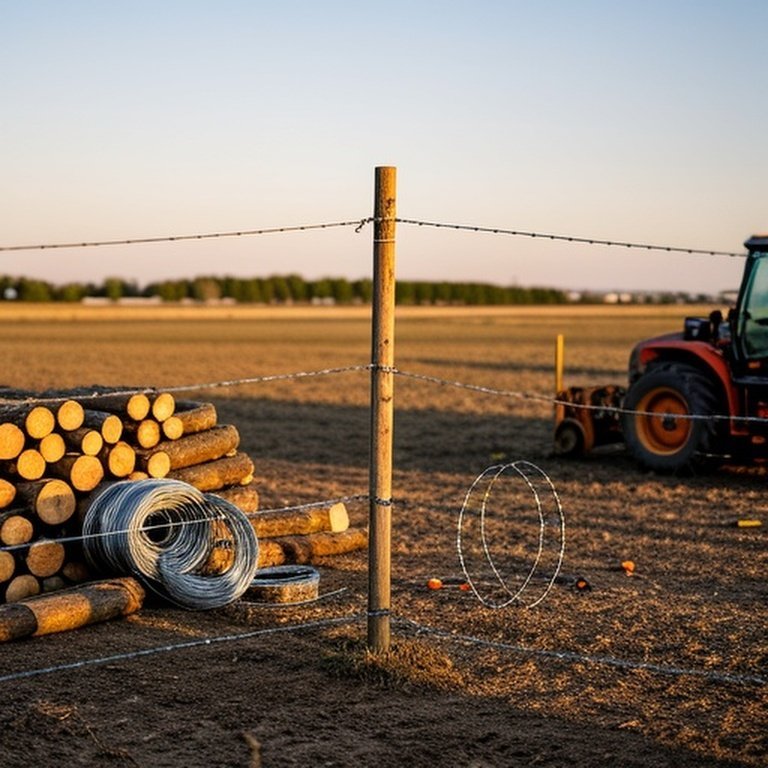
Many fence budgets fail because people misjudge where the money actually goes. It’s common to focus on wire or post prices while underestimating labor, equipment, and installation complexity. Others assume labor is fixed, only to discover that terrain, corners, and livestock pressure dramatically change installation time.
Understanding the split between materials and labor helps you decide whether DIY makes sense, where upgrades are worth the money, and where cutting costs creates long-term problems. A fence that looks affordable on paper can quickly become expensive if labor overruns or repairs are needed early.
Key Factors to Consider
- Fence type and installation complexity
- DIY labor versus hired crews
- Terrain, soil, and access challenges
- Number of corners, gates, and braces
- Livestock pressure and durability requirements
Detailed Explanation
In most fencing projects, materials form the largest single cost category. This includes posts, wire or mesh, insulators, braces, gates, and—if electric—energizers and grounding systems. For simple electric or high-tensile fences on flat land, materials can reach 70% of the total budget because installation is fast and straightforward.
Labor costs rise sharply as complexity increases. Woven wire fences, wood fencing, and multi-strand perimeter systems take longer to install and require precise post placement, tensioning, and bracing. Rocky ground, slopes, and poor access further slow progress, pushing labor toward 40–50% of the total cost or more.
DIY installation changes the equation but doesn’t eliminate labor costs—it shifts them into time, equipment rental, and learning curve errors. Improper post depth, weak corners, or poor tensioning often lead to early repairs that erase initial savings. Professional crews cost more upfront but tend to deliver consistent tension, alignment, and durability.
The true cost balance depends on fence lifespan. Spending more on materials can reduce labor later by minimizing repairs. Conversely, skimping on labor quality often shortens fence life, increasing total ownership cost over time.
Video Demonstration
How Cattle Behavior Affects This Cost Split
Cattle generally respect well-built fences, allowing wider post spacing and fewer strands. This keeps material costs moderate and labor efficient. However, high-pressure situations—such as bulls, calving areas, or newly introduced stock—increase the need for stronger corners and tighter spacing, pushing both material and labor costs upward.
Fence failures caused by livestock behavior almost always trace back to underbuilt corners or rushed installation.
Calves vs Mature Cattle Considerations
Young cattle test fences more aggressively and slip under or through gaps that adults ignore. Designing for calves requires additional strands, lower wire placement, and closer spacing, increasing material costs slightly but labor costs more significantly.
Planning for the most demanding livestock stage upfront usually costs less than retrofitting after problems appear.
Terrain, Visibility, and Pressure Zones
Flat, open terrain favors lower labor costs and predictable installation. Hills, rocky soil, wetlands, and wooded areas slow post installation and often require heavier equipment. Corners, gates, and water access points concentrate stress and demand extra bracing, increasing both material use and labor hours.
Visibility-related upgrades, such as additional strands or markers, raise material costs but can reduce labor later by preventing damage and escapes.
When This Cost Balance Works Well
- Flat or gently rolling land
- Simple electric or high-tensile systems
- Few corners and gates
- Experienced DIY builders with proper tools
- Livestock with predictable behavior
When This Is Not Recommended
- Rocky, steep, or wooded terrain
- Woven wire or wood fencing projects
- High-pressure livestock or mixed species
- Tight timelines requiring fast completion
- Inexperienced DIY installation without guidance
Alternatives or Better Options
Hybrid fence designs
Using strong, professionally built perimeter fencing with simpler interior electric fencing balances labor and material costs effectively.
Phased installation
Spreading the project over time allows investment in better materials while managing labor demands seasonally.
Upgrading corners first
Reinforcing corners and gates early reduces labor-intensive repairs later, even if line fencing remains simple.
Cost, Safety, and Practical Notes
Never cut labor quality to save money on critical areas like corners, gates, and braces. These points carry most of the fence’s structural load. Poor installation here leads to cascading failures that multiply repair costs.
Budget a 10–20% contingency for unexpected labor challenges, especially on uneven or rocky land. Safe installation practices matter as well—improper tensioning or rushed work increases injury risk and long-term maintenance costs.
Quick Takeaway
In most fence projects, materials cost more upfront, but labor determines long-term performance. A smart budget balances durable materials with proper installation, because saving on labor today often means paying more for repairs tomorrow.