Fencing Types & Materials
Fencing Types & Materials for Livestock
This section explores the major fencing types and materials used in livestock management. From traditional barbed wire to woven wire systems, high-tensile fencing, electric fencing, and modern composite materials, each option offers different strengths in durability, safety, cost, and predator resistance. Use this guide to compare materials and choose the right fence type for your property, livestock pressure, and environmental conditions.
What This Section Covers
Barbed Wire Fencing
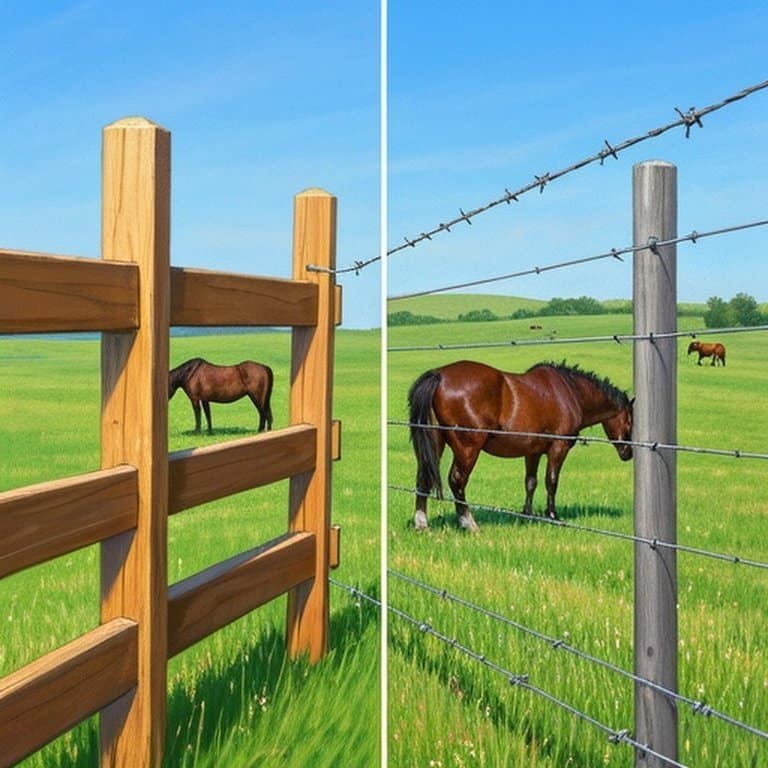
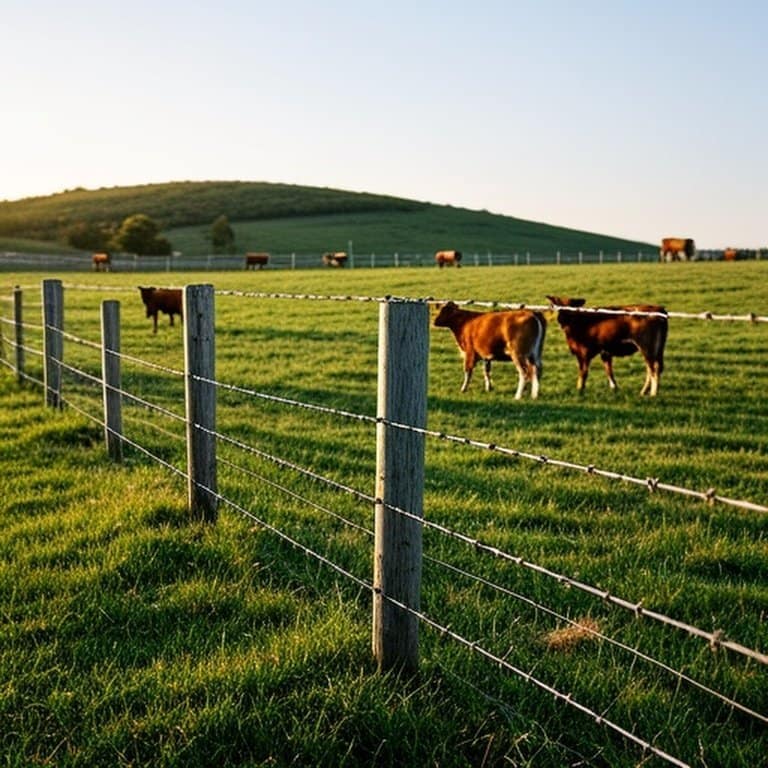
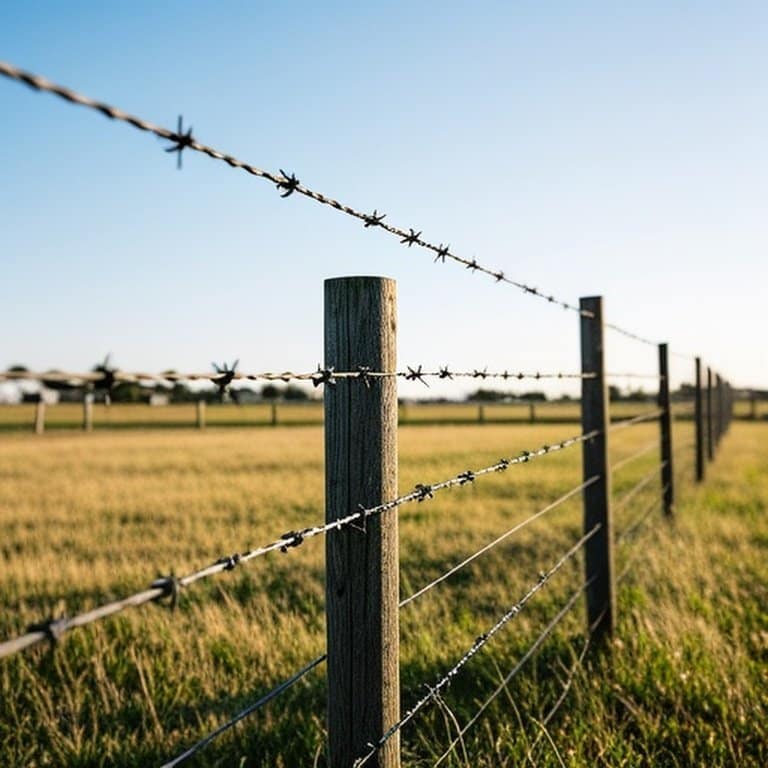
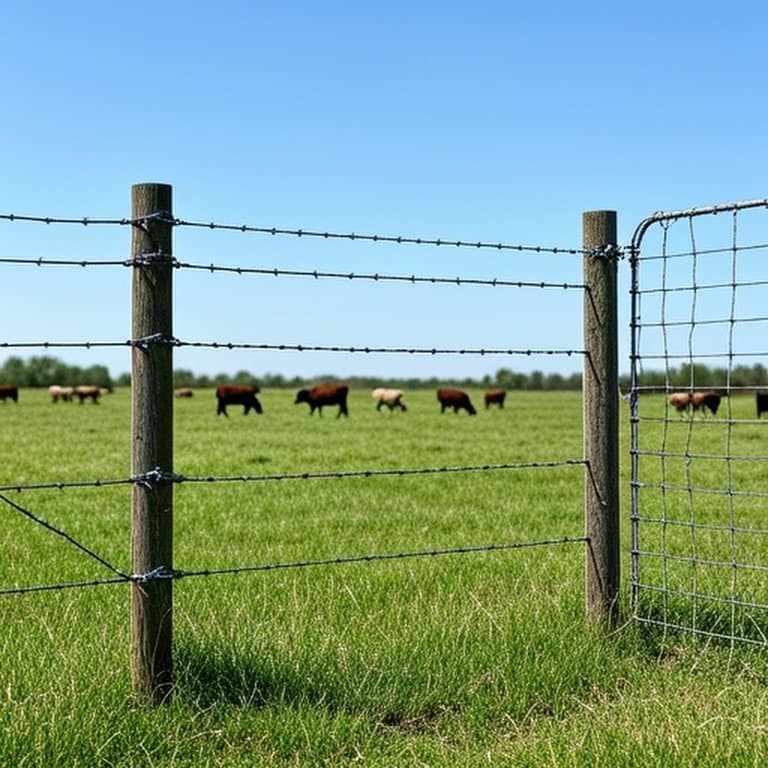
Traditional multi-strand fencing widely used for cattle containment in large pasture systems. Barbed wire fencing offers cost-effective perimeter security for trained livestock, though sharp barbs create injury risks for horses and young animals. Available in various gauge sizes and barb patterns, this material remains the most economical option for extensive rangeland operations where animal density is low and safety concerns are minimal.
Woven Wire / Field Fence
Mesh-style fencing designed for livestock safety and predator control. Woven wire fencing systems feature horizontal and vertical wires woven together in graduated spacing patterns that contain small livestock while preventing predator access. This material type provides superior safety compared to barbed wire, making it ideal for goats, sheep, calves, and mixed livestock operations. Woven wire also serves as the foundation for predator-resistant fencing systems when combined with electric offset wires.
High-Tensile Wire Fencing
Durable low-maintenance systems suitable for long-distance perimeter fencing. High-tensile wire fencing uses spring steel wire that maintains tension across long spans between posts, reducing post requirements and installation labor. This material resists stretching and sagging better than conventional wire, making it particularly effective for perimeter fence installations on large properties. High-tensile systems can be electrified or non-electrified depending on livestock training and containment requirements.
Welded Wire Mesh
Rigid grid panels commonly used for small livestock and poultry. Welded wire mesh fencing consists of vertical and horizontal wires welded at each intersection, creating uniform rectangular or square openings. This material offers consistent spacing ideal for chicken runs and poultry enclosures, though it typically costs more than woven wire. Welded panels provide structural rigidity but may be less suitable for large livestock that apply significant pressure.
Electric Fencing Systems
Flexible and cost-effective containment using controlled electrical pulses. Electric fencing systems deliver psychological barriers that deter livestock through brief but memorable shocks, requiring far less material than traditional physical fencing. These systems excel in rotational grazing applications where frequent fence movement is necessary. Electric options range from permanent multi-strand installations to portable polywire systems that move daily for intensive grazing management.
Wood & Board Fencing
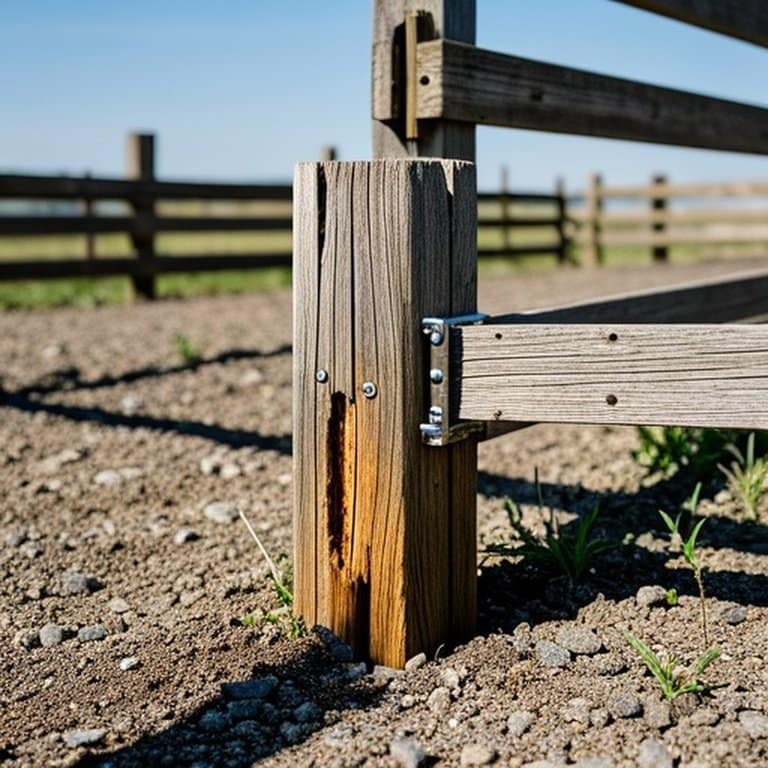
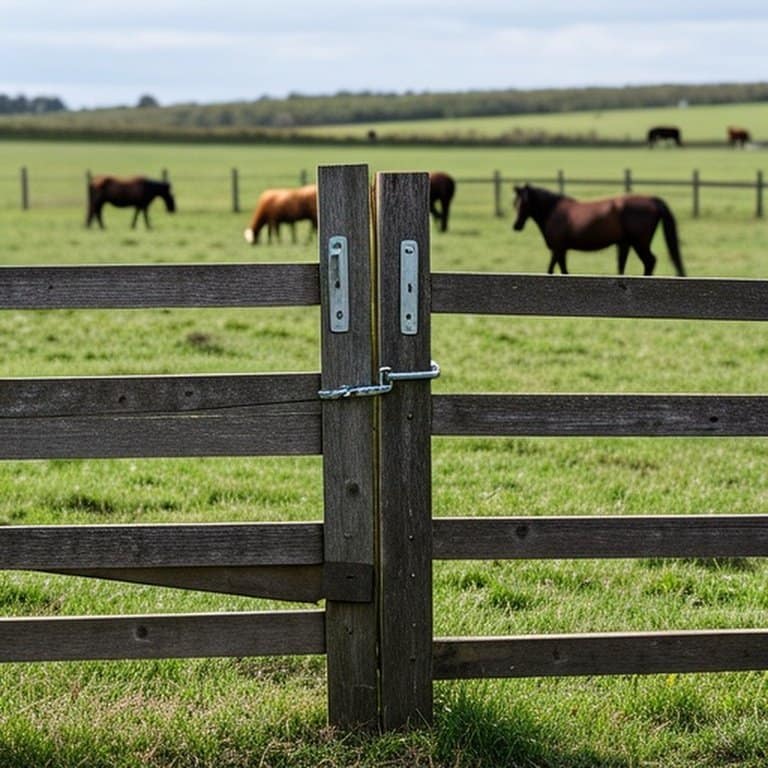
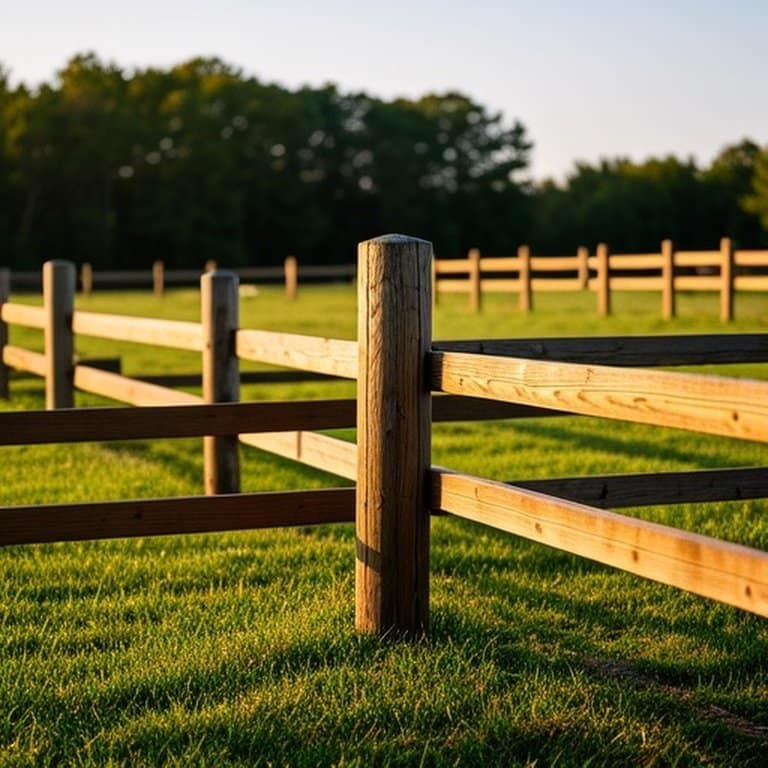
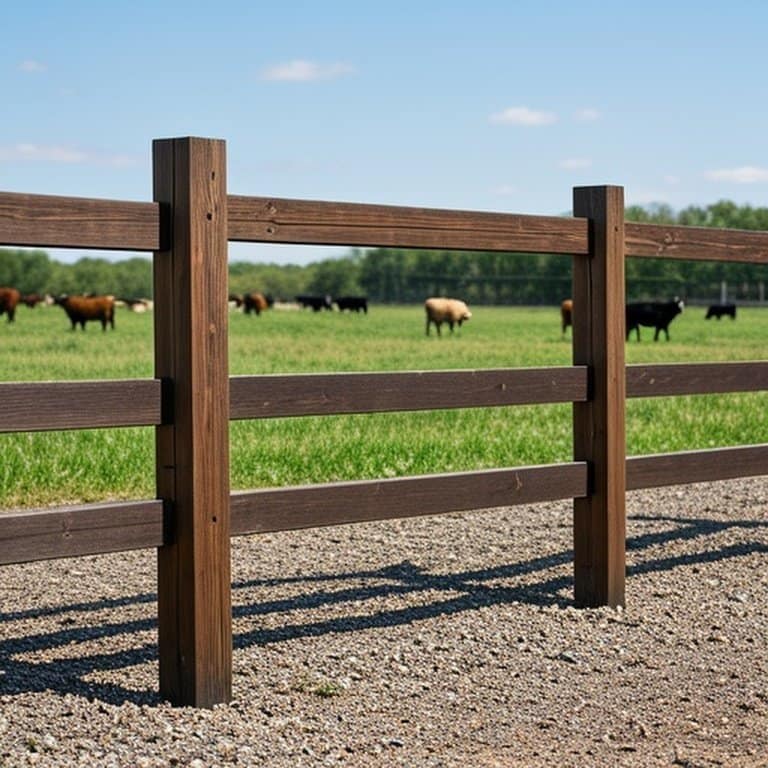
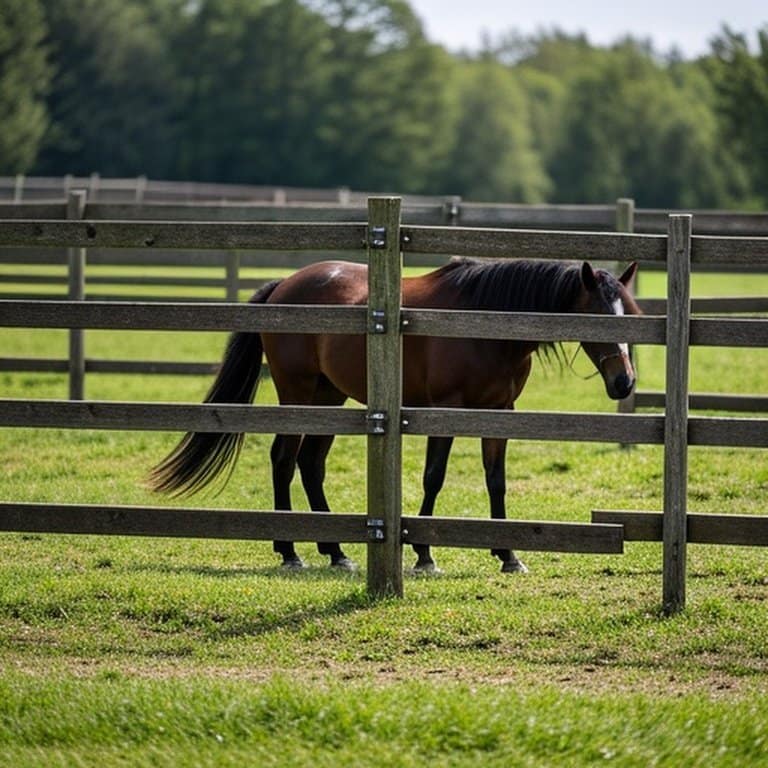
Common in horse facilities and visible property boundaries. Wood board fencing provides highly visible barriers that horses easily recognize, reducing collision injuries common with wire fencing. This traditional material creates attractive perimeter fencing but requires regular maintenance including painting, board replacement, and post stabilization. Wood fencing works well for horse pastures and properties where appearance matters as much as function.
PVC & Composite Fencing
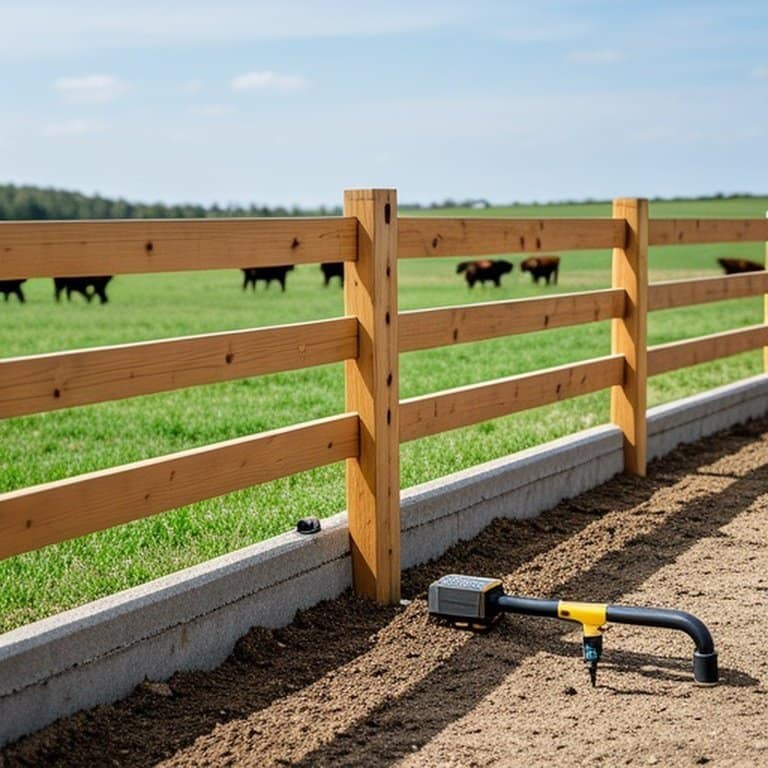
Low-maintenance alternatives designed for longevity and aesthetics. Composite livestock fencing combines synthetic materials that resist rot, insects, and weathering without requiring paint or chemical treatments. While initial costs exceed traditional materials, composite options eliminate ongoing maintenance expenses. These materials appeal to small farms and hobby operations where time savings and appearance justify higher upfront investment.
Common Decision Scenarios
If you are fencing large cattle pastures → See high-tensile wire fencing for cost-effective perimeter systems that cover long distances with minimal post requirements and maximum durability.
If animal safety is a priority → See woven wire fencing systems for smooth surfaces that prevent puncture injuries while containing small livestock and young animals safely.
If cost per acre is your main concern → Compare barbed wire fencing against other materials using our material cost comparison to balance initial investment with long-term maintenance expenses.
If predator pressure is high → Explore predator-resistant fencing systems that combine physical barriers with electric deterrence to prevent digging, climbing, and breakthrough attempts.
If rotational grazing is your goal → Review electric fencing systems including portable polywire and temporary configurations that enable flexible pasture division without permanent infrastructure.
If you manage horses → Consider wood board fencing for maximum visibility and impact resistance that reduces injuries from running or leaning pressure.
Material Comparison Overview
Durability & Lifespan
Fencing material longevity depends on corrosion resistance, coating quality, and tension stability over time. Galvanized coatings and corrosion resistance vary significantly between Class 1, Class 3, and polymer-coated wire products. High-tensile wire typically lasts 30-50 years with proper installation, while barbed wire may require replacement every 15-25 years depending on climate exposure. Wood fencing generally requires board replacement every 10-15 years, while composite materials can exceed 30 years without significant degradation. Environmental factors including humidity, salt exposure, and soil acidity dramatically impact material lifespan regardless of initial quality.
Safety for Livestock
Different materials present varying injury risks based on wire surface characteristics and structural design. Fence safety for animals evaluates puncture risks from barbs, entanglement hazards from loose wire, and impact injuries from poor visibility. Woven wire provides the safest option for mixed livestock operations, while barbed wire creates acceptable risk for mature cattle but poses significant danger to horses and young stock. Smooth high-tensile wire offers middle-ground safety when properly tensioned, though electric systems deliver the safest deterrence when livestock are properly trained to respect boundaries without physical contact.
Cost & Installation Complexity
Material expenses represent only part of total fencing investment, with labor and specialized equipment significantly affecting project budgets. Fence cost and budgeting must account for material price per foot, post spacing requirements, specialized tools like wire stretchers or post drivers, and whether professional installation is necessary. Barbed wire offers lowest material cost but requires careful tensioning and poses liability concerns. Woven wire costs 2-3 times more than barbed wire but reduces long-term maintenance. Electric fencing provides lowest total cost for interior subdivision but requires energizer investment and ongoing power consumption. Installation complexity increases significantly on uneven terrain regardless of material choice.
Related Planning & Design Sections
Material selection integrates with broader fencing strategy including layout design, maintenance planning, and regulatory compliance. Electric Fencing for Livestock covers electrified systems ranging from permanent perimeter installations to portable grazing management tools. Fence Installation & Maintenance provides step-by-step guidance for post setting, wire stretching, tensioning, and preventive maintenance schedules. Fence Planning & Design addresses site layout, height requirements, terrain challenges, and cross-fencing strategies. Livestock-Specific Fencing Guides offer species-specific recommendations for cattle, goats, horses, sheep, pigs, and poultry that inform material selection decisions.
Top Questions About Fencing Materials
What is the most durable fencing material for cattle?
High-tensile wire and properly galvanized woven wire systems typically offer the longest lifespan under heavy livestock pressure and harsh weather conditions. Class 3 galvanized high-tensile wire can last 40-50 years with minimal maintenance when properly installed with adequate tension and corner bracing. Material durability also depends on soil pH, moisture exposure, and livestock behavior patterns that vary significantly between operations.
Is woven wire safer than barbed wire?
Woven wire significantly reduces puncture injuries and is generally safer for calves, goats, sheep, horses, and mixed livestock operations. The smooth horizontal wires and tight vertical spacing prevent animals from forcing heads through openings or catching legs in wide gaps. Barbed wire creates acceptable risk for mature, trained cattle in low-density grazing situations but poses substantial injury hazards for horses and young animals that may run into or challenge fences.
What fencing works best for predator control?
Woven wire combined with electric offset lines provides strong resistance against digging and climbing predators including coyotes, foxes, and raccoons. The physical barrier prevents breakthrough attempts while electrified wires positioned 6-8 inches outside the fence face deter predators before they contact the main structure. Proper burial depth or ground-level wire placement stops digging attempts, while adequate fence height prevents jumping. High predator pressure may require specialized designs including angled top wires or buried aprons.
Which fencing type is the most cost-effective?
Barbed wire typically offers the lowest material cost per acre at $1-1.50 per foot but may require more maintenance over time compared to higher-quality alternatives. Total cost-effectiveness depends on intended lifespan, maintenance availability, and whether injuries or escapes create additional expenses. Electric fencing provides comparable installation costs with lower material expenses but requires energizer investment and ongoing power costs. Long-term cost analysis should include replacement intervals, repair frequency, and liability exposure from inadequate containment or animal injuries.