Short Answer
In soft or wet soil, fence posts should typically be set at least 3 to 4 feet deep, or deeper if supporting high-tension wire or livestock pressure. Standard one-third-depth rules are often not enough. Increased depth, wider post diameter, and reinforced backfill are critical to prevent leaning and long-term instability.
Why This Question Matters
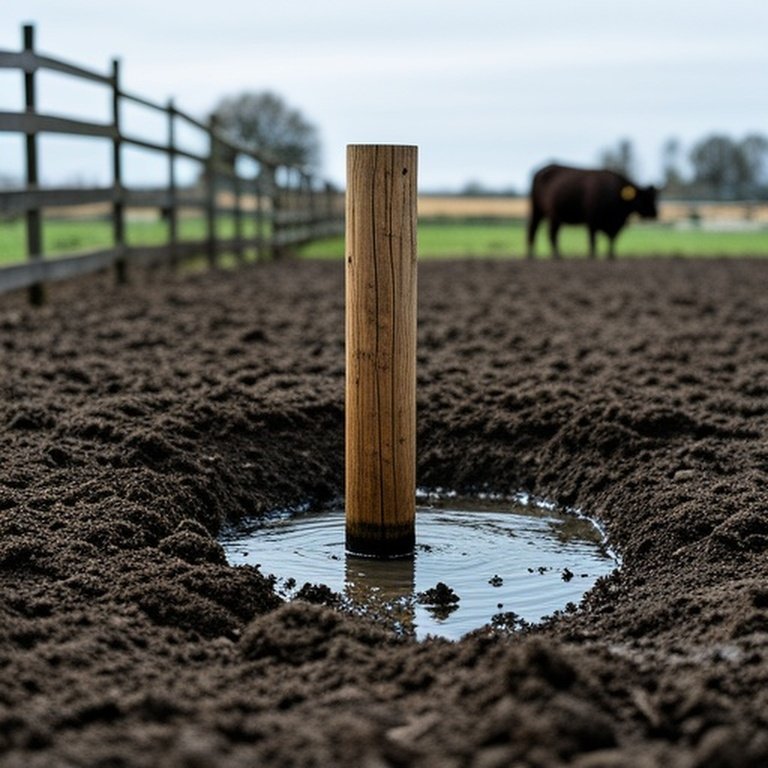
Soft and wet soils reduce the holding strength around fence posts. Unlike compacted clay or stable loam, saturated ground shifts under pressure and loses structural resistance. That means a post that seems stable during installation may begin leaning after heavy rain, livestock contact, or seasonal freeze-thaw cycles.
Fence failure rarely happens overnight—it starts with subtle movement. Once a post tilts, wire tension changes, braces loosen, and entire fence lines weaken. Repairing these failures later costs more than installing posts correctly from the beginning. Understanding depth requirements in soft or wet soil prevents repeated maintenance, structural damage, and livestock safety issues.
Key Factors to Consider
- Soil saturation level and drainage patterns
- Type of fencing (barbed wire, woven, high-tensile)
- Livestock size and fence pressure
- Post diameter and material strength
- Use of gravel or concrete reinforcement
Detailed Explanation
In firm soils, fence posts are often set at one-third of their above-ground height. However, soft or wet soil changes the equation. Saturated ground reduces friction around the post, which means lateral resistance drops significantly. Posts installed at standard depth may hold temporarily but can shift under sustained pressure.
Setting posts 36–48 inches deep provides additional anchoring surface area. The deeper the embedment, the more soil must move for the post to tilt. In particularly wet or marshy areas, even deeper installation may be necessary, especially for corner or brace posts that carry tension loads.
Post diameter also matters. Thicker wooden posts or heavier steel posts resist bending better and distribute force more evenly. Narrow posts in wet soil are far more likely to lean. In high-stress areas such as gates or end braces, reinforced systems are essential.
Backfill technique plays a critical role. Simply returning wet soil into the hole provides little stability. Layered compaction using gravel improves drainage and friction. In some cases, concrete footings are recommended, particularly for structural posts. However, concrete must extend below frost depth in colder climates to prevent heaving.
The goal is not just depth—it is resistance against movement in unstable ground conditions.
Soil Pressure and Livestock Impact
How Cattle Behavior Affects This Choice
Cattle often lean, rub, or push against fences. In soft soil, that repeated horizontal force accelerates post movement. Even moderate pressure over time can cause gradual tilting.
High-traffic areas—near water, mineral feeders, or shade—experience greater stress and require deeper posts or reinforced bracing.
Calves vs Mature Cattle Considerations
Calves exert less force but may test lower wires, creating uneven tension. If posts shift slightly, sagging increases escape risk.
Mature cattle produce significant lateral force. In wet soil, deeper and stronger corner assemblies are especially important to prevent structural failure.
Terrain, Visibility, and Pressure Zones
Low-lying or poorly drained areas remain wet longer after rain. Posts installed in these zones require greater depth.
On sloped ground, water runoff further destabilizes soil around posts. Strategic drainage planning and deeper embedment improve long-term durability.
When This Works Well
- Posts are set 3–4 feet deep or below frost line
- Gravel backfill improves drainage and compaction
- Corner and gate posts use reinforced bracing systems
- Livestock pressure is distributed across strong line posts
When This Is Not Recommended
- Using shallow installation in saturated soil
- Relying solely on loose wet soil for backfill
- Ignoring drainage patterns or standing water zones
- Installing narrow-diameter posts in high-pressure areas
Alternatives or Better Options
Gravel Footing Systems
Placing compacted gravel around the base of the post increases friction while allowing water drainage, reducing rot and movement.
Concrete-Set Structural Posts
For corners and end braces, concrete footings provide strong anchoring in unstable soils when installed below frost depth.
Elevated or Relocated Fence Lines
In extremely wet or marshy zones, shifting fence lines to slightly higher ground may reduce long-term instability.
Cost / Safety / Practical Notes
Deeper installation increases labor and sometimes equipment costs. Digging in wet soil can cause hole collapse, requiring wider excavation and additional material. However, shallow installation often leads to repeated repairs, wire retensioning, and premature replacement.
Concrete increases material cost but may reduce long-term maintenance for structural posts. Gravel is often a cost-effective middle ground, improving stability without full concrete use.
Safety considerations include cave-ins during digging and unstable footing in saturated ground. Proper hole support and careful excavation are essential.
Investing in deeper posts at installation typically saves significantly over the lifespan of the fence.
Quick Takeaway
In soft or wet soil, fence posts should be set at least 3–4 feet deep, reinforced with proper compaction or gravel, and structurally braced where tension exists. Depth and soil management—not just post material—determine long-term stability.