
Short Answer
Gates significantly affect fence planning because they determine livestock flow, equipment access, structural reinforcement needs, and daily labor efficiency. Poorly placed gates create bottlenecks, weaken fence lines, and increase maintenance. Strategic gate placement improves animal movement, reduces stress, and strengthens overall fence durability.
Why This Question Matters
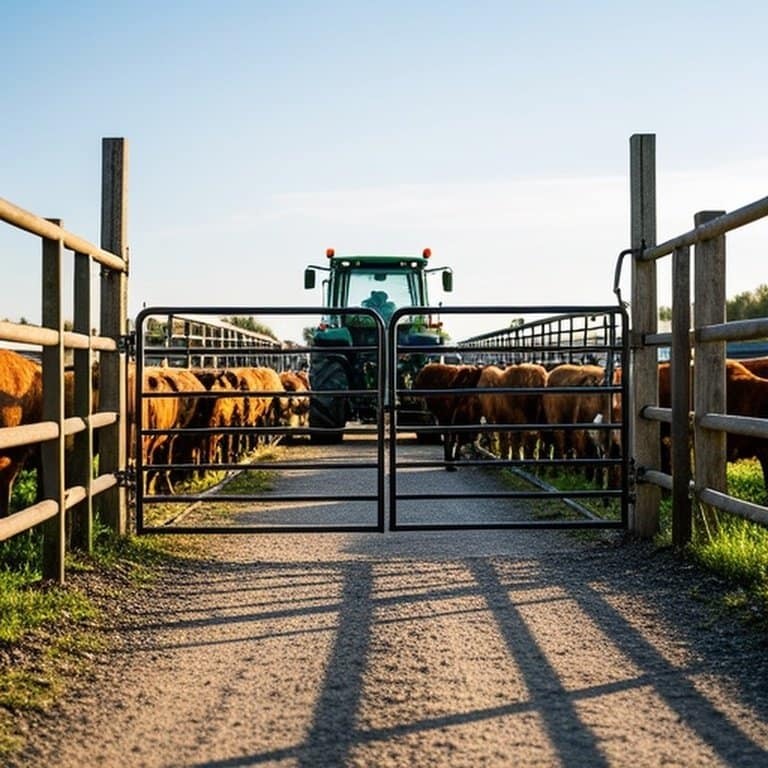
Gates are more than simple openings in a fence. They are high-pressure transition points where livestock gather, push, and change direction. Improper gate placement often causes fence sagging, post failure, mud buildup, and animal stress.
In rotational grazing systems, gates influence how smoothly animals move between paddocks. In perimeter fencing, gates must support vehicle access and emergency entry. Once installed, relocating gates is labor-intensive and expensive. Thoughtful gate planning at the layout stage prevents structural weaknesses and operational inefficiencies for years.
Key Factors to Consider
- Livestock movement patterns and natural travel routes
- Equipment width and vehicle access needs
- Soil drainage and erosion risk near openings
- Reinforcement of gate posts and brace assemblies
- Frequency of use and daily operational flow
Detailed Explanation
Gates interrupt fence continuity, which naturally weakens structural tension along a fence line. Every gate requires reinforced posts, brace assemblies, and proper anchoring to maintain fence strength. Without this reinforcement, sagging and alignment issues develop quickly.
From a livestock management perspective, animals tend to move along established paths. Placing gates along natural travel routes reduces resistance and crowding. Sharp turns or narrow openings increase stress and can cause injury or fence damage. Wide, straight-line access improves herd flow.
Equipment access is equally important. Tractors, trailers, and feed trucks require sufficient gate width and turning radius. Underestimating equipment clearance creates daily operational frustration. A 12–16 foot gate is common for vehicle access, while smaller walk-through gates may be adequate for interior paddocks.
Drainage around gates must be considered. Livestock traffic concentrates in these areas, increasing soil compaction and mud formation. Poor drainage weakens post stability and accelerates wear. Gravel reinforcement or stabilized footing reduces long-term maintenance.
Ultimately, gates influence both structural design and operational efficiency. Planning their placement early ensures durability and smooth livestock management.
Extended Practical Considerations
How Livestock Behavior Affects Gate Placement
Cattle prefer wide, visible openings and move more calmly through straight corridors. Narrow or angled gates increase hesitation and crowd pressure.
Horses respond better to clearly visible gates without blind turns. Goats may test weak latches, requiring secure closure systems.
Calves vs Mature Livestock Considerations
Young animals may slip through poorly aligned gate gaps. Ensure bottom clearance and latch systems prevent escape.
Mature breeding animals may apply greater force at gates during feeding or mating season, requiring reinforced posts and hardware.
Terrain, Visibility, and Pressure Zones
Gates should not be placed at the lowest point of a slope where water collects. Mud buildup reduces footing safety and increases structural wear.
High-pressure zones near water troughs or feeders should have reinforced gate posts and stable ground cover.
When This Works Well
- Gates aligned with natural livestock movement
- Properly braced and reinforced posts
- Adequate width for equipment access
- Stabilized ground surface around openings
- Clear operational plan for paddock rotation
When This Is Not Recommended
- Installing gates without reinforcement bracing
- Narrow openings in high-traffic areas
- Placing gates on steep slopes or drainage channels
- Ignoring vehicle access requirements
- Using weak latch systems in goat or high-pressure pens
Alternatives or Better Options
Double-Gate Entry Systems
Installing a secondary gate creates a holding buffer, reducing escape risk during livestock movement.
Centralized Gate Corridors
Designing a central lane system allows controlled livestock movement between paddocks without multiple weak points.
Temporary Electric Gate Openings
For rotational systems, portable electric gates reduce permanent structural interruptions.
Cost / Safety / Practical Notes
Each gate adds material cost, brace assemblies, hardware, and installation labor. Overusing gates increases structural weak points and maintenance demand.
Safety considerations include latch reliability, smooth edges, and proper swing clearance. Poorly designed gates increase injury risk for both animals and handlers.
From a long-term perspective, fewer, well-placed gates outperform numerous poorly planned openings. Strategic placement reduces daily labor and improves overall fence durability.
Quick Takeaway
Gates are structural and operational control points in any fence system. Proper placement, adequate width, and reinforced posts improve livestock flow, reduce maintenance, and strengthen overall fence performance.