Short Answer
The most effective way to plan water access in a rotational grazing layout is to position water so multiple paddocks can share it, keeping walking distance short (ideally under 800 feet for cattle). Centralized or strategically placed troughs reduce labor, improve grazing distribution, and prevent overuse around water points.
Why This Question Matters
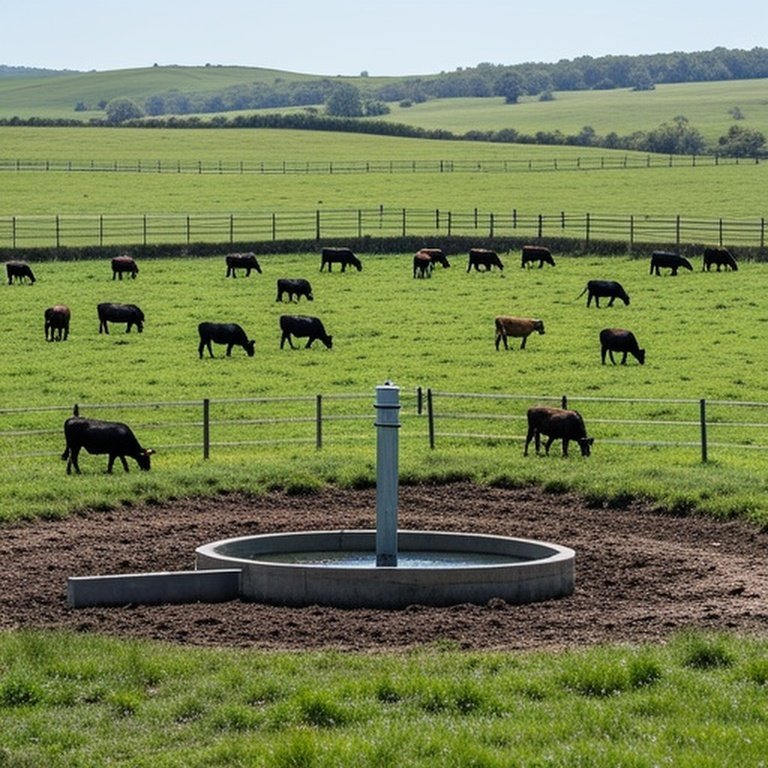
Water placement directly affects grazing efficiency, pasture health, and animal performance. Even a well-designed paddock system can fail if livestock must travel too far to drink.
When water is poorly located, animals overgraze near troughs and undergraze distant areas. Soil compaction increases, mud problems develop, and forage utilization drops. In hot weather, long walking distances reduce intake and weight gain.
Proper water planning is not just about convenience—it determines whether rotational grazing actually delivers the productivity and pasture recovery it promises.
Good water design reduces stress on animals, protects soil, and improves rotation flow.
Key Factors to Consider
- Maximum walking distance per paddock
- Herd size and peak daily water demand
- Terrain slope and drainage patterns
- Ability to share water between paddocks
- Freeze protection and seasonal reliability
Detailed Explanation
In rotational grazing systems, water should support movement—not restrict it. The ideal layout allows multiple paddocks to access a single watering point. This reduces infrastructure cost while maintaining flexibility.
A common and efficient design is a central water hub where several paddocks meet. Animals drink without leaving their assigned area, and fencing adjustments remain simple. Alternatively, water lines can run along fence lanes, with quick-connect troughs moved as paddocks shift.
Distance matters. Research and field experience show cattle perform best when walking less than 600–800 feet to water. Longer distances reduce grazing uniformity and increase trail formation.
Slope and soil type must also be considered. Water placed at low points often creates mud issues. Elevated or well-drained areas reduce erosion and hoof damage.
Finally, water system capacity must match herd size. Insufficient flow rates cause crowding and stress, especially in heat. A properly sized supply prevents bottlenecks that slow rotation schedules.
Water is the anchor of rotational grazing—plan it before finalizing paddock lines.
How Cattle Behavior Affects This Choice
Cattle naturally congregate around water. Poor placement creates pressure zones that damage pasture.
When water is centrally accessible, animals distribute more evenly and return to grazing faster after drinking.
Calves vs Mature Cattle Considerations
Calves require easy access with safe trough height and firm footing.
Large mature cattle need higher flow rates and wider drinking space to prevent crowding.
Terrain, Visibility, and Pressure Zones
Avoid steep slopes near water to reduce erosion.
Ensure clear visibility to prevent animals hesitating to approach unfamiliar watering points.
When This Works Well
- Centralized water serving multiple paddocks
- Reliable pressurized water systems
- Moderate herd sizes with consistent rotation schedules
- Well-drained soil around trough areas
- Farms using permanent or semi-permanent paddock divisions
When This Is Not Recommended
- Extremely large paddocks exceeding walking distance limits
- Weak gravity-fed systems with low flow rates
- Poor drainage areas prone to mud accumulation
- Highly fragmented layouts requiring excessive pipeline runs
- Systems lacking freeze protection in cold climates
Alternatives or Better Options
Portable Trough Systems
Quick-connect hoses and movable troughs provide flexibility. Ideal for adaptive grazing but require labor and durable plumbing.
Water Lanes with Multiple Access Points
Installing a water line along a central lane allows several paddocks to tap into the same supply without crowding one location.
Cost / Safety / Practical Notes
Installing water infrastructure is often one of the largest upfront investments in rotational grazing. However, it improves pasture utilization enough to justify the expense over time.
Budget for pipeline depth, trenching, freeze protection, and trough pads. Concrete or gravel pads reduce mud and maintenance.
Safety considerations include secure float valves, stable trough bases, and electrical protection if using pumps.
Underbuilding water capacity is a common mistake. Plan for herd expansion and peak summer demand rather than average usage.
Reliable water equals reliable rotation.
Quick Takeaway
Plan water access first, not last. Keep walking distances short, allow paddocks to share water when possible, and size the system for peak demand. Smart water placement improves grazing distribution, pasture health, and livestock performance.