Short Answer
To fix a fence damaged by cattle pressure, first relieve tension and assess whether posts, wire, or braces have failed. Replace or reinforce weakened posts, re-stretch sagging wire, and restore proper tension. In high-pressure areas, adding bracing, closer post spacing, or an offset electric strand prevents repeated damage.
Why This Question Matters
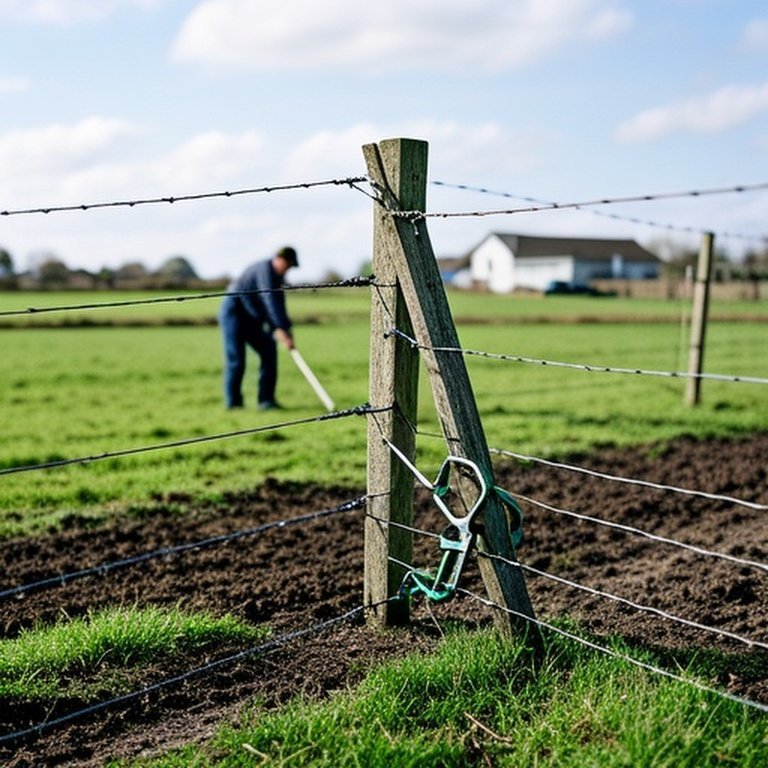
Cattle apply consistent lateral force when rubbing, leaning, or crowding fence lines—especially near feed, water, or shade. Over time, this pressure loosens posts, stretches wire, and weakens brace assemblies. If not repaired correctly, minor leaning or sagging quickly escalates into structural failure.
Many landowners simply tighten loose wire, but that approach often ignores root causes such as soil instability or inadequate bracing. Without reinforcement, the same section will fail again. Understanding how to repair both the visible damage and the underlying weakness is essential for long-term fence durability and livestock containment.
Key Factors to Consider
- Type of fence (barbed, woven, high-tensile, electric)
- Location of damage (corner, mid-span, gate area)
- Condition of posts and brace assemblies
- Soil saturation and ground stability
- Frequency of livestock pressure in that area
Detailed Explanation
Fence damage from cattle pressure usually begins with leaning posts or stretched wire. The first step is identifying which structural element failed. If a line post has loosened but remains intact, resetting and tamping it firmly may restore stability. However, if the post is cracked or rotted, replacement or sister-post reinforcement is necessary.
In mid-span sagging situations, re-tensioning the wire often resolves the issue—but only if the anchor posts and braces are solid. Use a fence stretcher or come-along to restore proper tension. Simply pulling wire by hand creates uneven stress and weak spots that can fail again under pressure.
Corner and end posts experience the highest stress. If cattle have repeatedly pushed against these sections, reinforcing the brace system may be required. Installing an H-brace or diagonal brace wire distributes tension more effectively and prevents continued leaning.
Finally, consider behavioral causes. Cattle frequently rub against fences near high-traffic zones. Adding a single electric offset wire on the interior side discourages leaning and significantly reduces mechanical pressure. Repairing the visible damage without addressing livestock behavior often leads to repeated failures.
By this stage, the pattern is clear: repairing cattle-damaged fencing requires structural correction, proper tension restoration, and behavioral mitigation.
How Cattle Behavior Affects This Choice
Cattle lean and rub most frequently near feeding stations, mineral blocks, gates, and shaded areas. If damage occurs in these locations, reinforcement is often more effective than simple repair. Redirecting traffic flow or installing an electric deterrent reduces repeated pressure on repaired sections.
Calves vs Mature Cattle Considerations
Calves exert less force, so minor sagging can often be corrected with re-tensioning alone. Mature cattle, especially bulls, generate substantial lateral force. In adult cattle enclosures, stronger posts, deeper set depths, and brace upgrades provide longer-term reliability after repairs.
Terrain, Visibility, and Pressure Zones
On slopes or uneven terrain, cattle may lean more heavily while moving uphill or downhill. Soft soil after rainfall increases post movement. Repairing these areas often requires deeper resetting or additional compaction to prevent recurrence.
When This Works Well
- Damage is localized to a single post or short span
- Posts are structurally sound but loosened
- Proper tensioning tools are available
- Soil can be compacted firmly around reset posts
- Livestock pressure is moderate
When This Is Not Recommended
- Extensive rot or corrosion across fence line
- Multiple brace failures in corner assemblies
- Repeated collapse in same high-pressure zone
- Posts set too shallow for cattle load
- Chronic soil instability
Alternatives or Better Options
Install an Interior Electric Offset Wire
Adding a low-voltage interior strand discourages leaning behavior and reduces physical stress on primary fence components.
Upgrade Corner Bracing Systems
Replacing weak braces with proper H-brace assemblies increases load distribution and prevents progressive leaning.
Reduce Post Spacing in High-Pressure Areas
Closer spacing improves structural resistance against cattle pressure in feeding or gathering zones.
Cost, Safety, and Practical Notes
Repairing a single damaged section is usually inexpensive if posts remain usable. However, reinforcing brace assemblies or installing electric offsets adds moderate cost but significantly extends fence lifespan.
Working with tensioned wire requires caution. Release tension before removing damaged components to avoid snap-back injuries. Wear gloves and eye protection when cutting or tightening wire.
If the same section fails repeatedly, the problem is likely design-related rather than incidental damage. Investing in reinforcement once is often more economical than repeated short-term repairs.
Quick Takeaway
Fixing a fence damaged by cattle pressure requires more than tightening loose wire. Identify structural weaknesses, reset or reinforce posts, restore proper tension, and address livestock behavior. Reinforcement and deterrence prevent repeated failures and protect long-term fence stability.