Short Answer
To identify hidden fence damage after a storm, walk the entire fence line and check for subtle signs like leaning posts, loose staples, sagging wire, shifted brace assemblies, soil washout, and debris impact. Even if the fence appears upright, tension changes and underground post movement can weaken structural integrity and lead to later failure.
Why This Question Matters
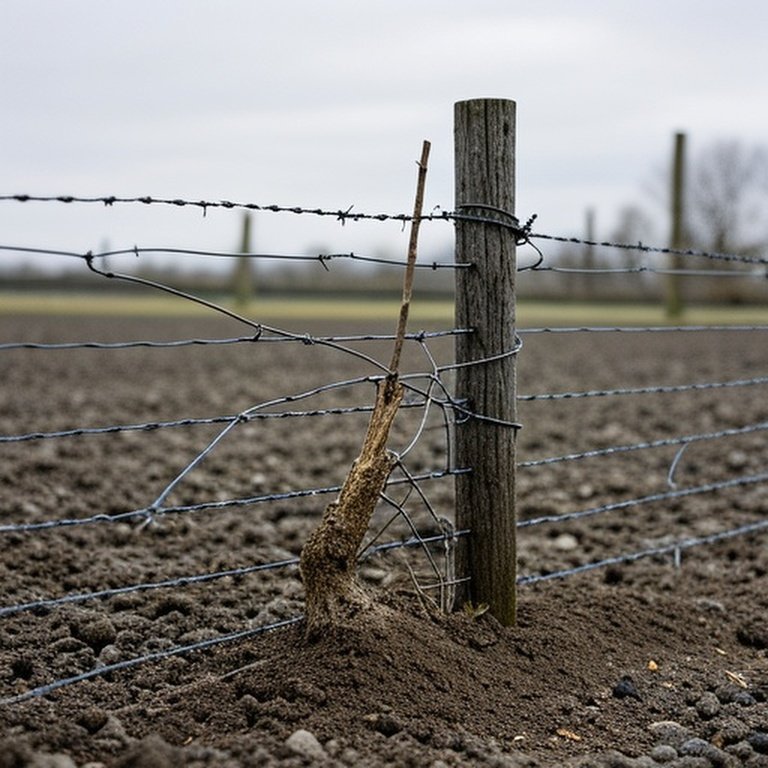
Storm damage is not always obvious. While fallen trees or broken wires are easy to spot, the more dangerous problems are often hidden: posts that shifted underground, braces that loosened slightly, or tension that quietly changed across a long run. These small structural changes can cause a fence to fail days or weeks later under livestock pressure.
After heavy rain, wind, flooding, or ice, the soil itself may move. Posts can lose stability without visibly collapsing. Wire can stretch beyond proper tension limits without breaking. If these issues go unnoticed, cattle may exploit weakened sections, leading to escapes or expensive reconstruction.
A proper post-storm inspection protects both livestock safety and long-term fence durability.
Key Factors to Consider
- Soil saturation weakens post anchoring strength
- Wind pressure stresses corners and end braces
- Debris impact may distort wire tension
- Floodwater causes erosion around posts
- Ice accumulation adds downward weight to wire
Detailed Explanation
Hidden storm damage typically begins below ground level. Heavy rain saturates soil, reducing friction that holds posts upright. Even if a post still looks straight, it may have loosened enough to shift later under tension. Testing stability by applying firm pressure to each post can reveal subtle movement.
Wind is another critical factor. Long straight fence runs act like sails, absorbing wind pressure. This stress transfers directly to brace assemblies at corners and ends. A brace that shifts even slightly can redistribute tension unevenly across hundreds of feet of woven wire. You may notice minor sagging between posts as an early warning sign.
Flooding introduces erosion risks. Moving water can wash soil away from the base of posts, exposing roots of wooden posts or undermining tamped gravel. Inspect the ground around posts for gaps, cracks, or soil depressions that signal instability.
Ice storms create a different type of hidden damage. Accumulated ice adds significant downward weight to wire strands. When ice melts, wires may remain slightly stretched, reducing proper tension. Pluck the wire and listen for consistent tone—sections that sound dull or feel loose may require re-tensioning.
The most effective approach is systematic: walk the fence line slowly, visually scan at eye level and ground level, physically test posts, and check brace assemblies closely. Hidden damage is usually detectable—but only if you look deliberately.
High-Risk Sections After Storms
Corners, gate areas, and long uninterrupted runs experience the greatest stress during storms. Wind pressure concentrates force on brace assemblies, while water flow often collects near low points.
Inspect these areas first. A small shift in a corner brace can compromise the entire fence line’s tension balance.
Soil Conditions and Erosion Patterns
Clay soils hold water longer and expand when wet. Sandy soils drain quickly but lose structural grip during heavy rain. Both conditions affect post stability differently.
After flooding, check for soil washout, exposed post bases, and slight tilting. Even a half-inch lean can worsen over time.
Vegetation and Debris Impact
Fallen branches may not break wire but can twist or distort mesh openings. Vines and debris caught in fencing add extra weight and moisture retention.
Clear all debris before assessing tension, so you evaluate the fence in its unloaded condition.
When Immediate Action Is Critical
- Posts visibly lean or shift under light pressure
- Brace wires become loose or disconnected
- Wire tension feels uneven across spans
- Soil washout exposes post bases
- Livestock begin testing or pushing sections
When Minor Monitoring Is Acceptable
- No visible lean or soil movement
- Wire tension remains consistent
- Brace assemblies stay firm
- Ground remains compact around posts
- No debris distortion observed
Alternatives or Better Options
Upgrade Corner Bracing
Heavier H-brace systems reduce stress redistribution during storms and improve long-term resilience.
Install Drainage Improvements
Grading or adding gravel at low points prevents erosion and reduces soil washout around posts.
Add Offset Electric Wire
Reducing livestock pressure after storms prevents weakened areas from being exploited.
Cost, Safety, and Practical Notes
Post-storm inspections cost little compared to structural failure. Replacing one loosened brace or re-tensioning a section is inexpensive. Rebuilding an entire corner assembly is not.
Safety is critical during inspection. Storm-damaged wires may be under uneven tension. Avoid cutting tight wire without relieving tension first. Wear gloves and eye protection when testing wire stability.
Practically, inspect fences within 24–48 hours after major storms. Early detection prevents secondary damage from livestock pressure. Maintain a written log to track recurring weak zones, which may require reinforcement rather than repeated repairs.
Quick Takeaway
Hidden storm damage often begins underground or in subtle tension shifts. Walk the entire fence line, test posts physically, inspect braces carefully, and check soil stability. Early post-storm inspection prevents delayed collapse and extends fence lifespan significantly.