Short Answer
To keep weeds from shorting out an electric fence, maintain a vegetation-free strip beneath the wires by mowing, trimming, applying targeted herbicide, or installing physical barriers like gravel or weed fabric. Regular inspection and clearing prevent plants from touching live wires, which can drain voltage and significantly weaken fence performance.
Why This Question Matters
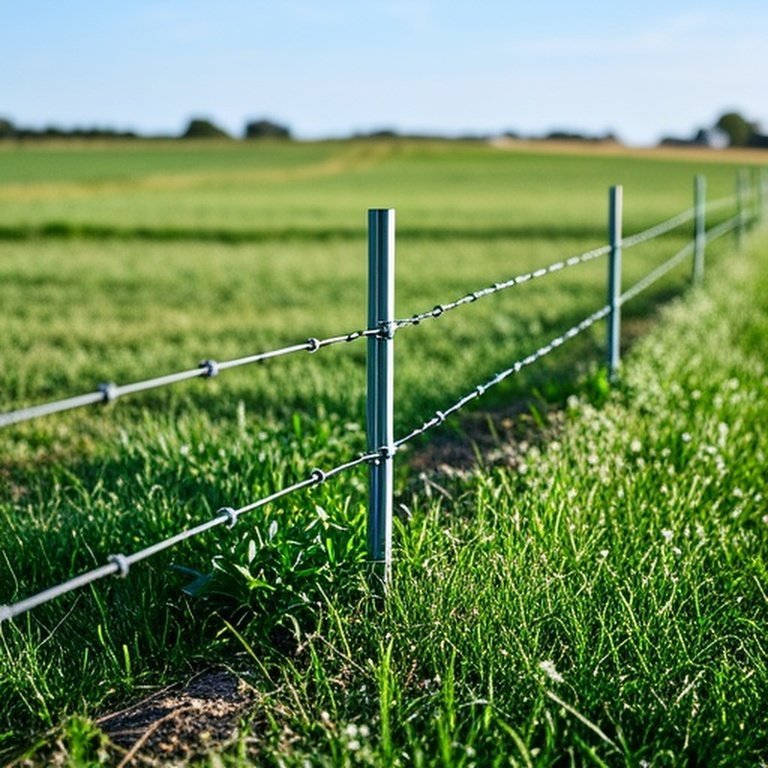
Weeds and tall grass are one of the most common causes of electric fence failure. When vegetation touches a live wire, it creates a path for electricity to flow into the ground. This constant grounding reduces voltage along the fence line, sometimes dropping it below the level needed to deter livestock.
If voltage falls too low, animals may push through the fence, lean on it, or stop respecting it altogether. What starts as a simple weed problem can quickly become an animal containment issue. Regular vegetation control protects fence effectiveness, reduces energizer strain, and prevents costly escapes or repairs.
Key Factors to Consider
- Fence voltage level and energizer output capacity
- Density and moisture content of surrounding vegetation
- Type of livestock being contained
- Soil conductivity and grounding system quality
- Seasonal growth patterns and rainfall frequency
Detailed Explanation
Electric fences rely on delivering a short, high-voltage pulse through the wire. When weeds or grass touch that wire, each contact point acts like a small electrical leak. Dry weeds may cause minor voltage loss, but wet vegetation—especially after rain or morning dew—can dramatically increase grounding. Over time, this constant drain reduces overall fence performance.
The problem is cumulative. One or two light contacts may not cause noticeable voltage drop, but long stretches of thick grass touching the bottom wire can significantly weaken the entire system. In extreme cases, voltage can fall below 3,000 volts—often too low for reliable livestock control.
The most effective prevention method is maintaining a clear strip beneath the fence. Many operators keep a 12–24 inch vegetation-free zone along the entire fence line. This can be achieved through routine mowing, string trimming, targeted herbicide use, or installing gravel or landscape fabric during construction.
Importantly, prevention is easier than recovery. Once animals learn the fence is weak, restoring voltage alone may not immediately correct behavior. Consistent vegetation control preserves both fence performance and animal respect. When maintained properly, even moderate-powered energizers can handle occasional plant contact without significant voltage loss.
At this point, you should understand why consistent vegetation control is essential—not optional—for electric fence reliability.
How Livestock Behavior Affects This Issue
Livestock behavior influences how critical vegetation control becomes. Cattle often test fences by leaning or grazing close to the boundary. If voltage is reduced due to weed contact, cattle are more likely to push through weak spots. Goats are even more persistent and will exploit minor weaknesses.
Young animals that have not yet learned to respect electric fencing are especially sensitive to low voltage. If their first contact is weak, they may repeatedly challenge the fence. Maintaining strong voltage through vegetation management ensures animals associate the fence with a consistent deterrent.
Calves vs Mature Livestock Considerations
Calves and young livestock require stronger, more consistent shocks for training. A fence weakened by vegetation may still deter mature animals but fail to properly train younger ones. This creates long-term containment problems.
Mature animals typically remember previous shocks and may avoid fences even when voltage dips slightly. However, relying on this memory is risky. If seasonal weed growth reduces performance for extended periods, even experienced livestock may test boundaries again.
Terrain, Moisture, and Growth Pressure
Low-lying areas with rich soil and frequent rainfall experience aggressive vegetation growth. These sections require more frequent maintenance. Wet soil also increases electrical conductivity, making vegetation contact more problematic.
Shaded fence lines may grow slower, but ditches and drainage zones can quickly produce tall grass that bridges wires to ground. Identifying high-growth pressure zones helps prioritize maintenance before voltage drops occur.
When This Works Well
- Flat terrain where mowing equipment can easily access the fence line
- Permanent fences with planned maintenance schedules
- Areas with moderate rainfall and manageable seasonal growth
- Systems using higher-output energizers that tolerate light vegetation contact
- Fence lines installed with built-in gravel or barrier strips
When This Is Not Recommended
- Dense brush areas where mowing is impractical
- Steep terrain with limited equipment access
- Extremely wet climates with constant vegetation pressure
- Low-output energizers already operating near voltage limits
- Temporary fences without routine inspection
Alternatives or Better Options
Offset Ground Wire System
Installing a grounded wire beneath the hot wire allows animals to receive a shock even when vegetation reduces output. This improves reliability but does not eliminate the need for clearing.
Raised Bottom Wire Design
Setting the lowest hot wire slightly higher off the ground reduces vegetation contact but may not be suitable for small livestock.
Higher Output Energizer
Upgrading to a more powerful energizer can tolerate moderate vegetation load. However, this treats symptoms rather than addressing the root cause.
Cost, Safety, and Practical Notes
Vegetation control costs vary depending on method. Mowing requires labor and equipment time but avoids chemical use. Herbicides reduce labor but add material cost and environmental considerations. Gravel installation is higher upfront cost but lowers long-term maintenance.
Safety is critical when trimming near live wires. Always disconnect or switch off the energizer before using metal tools or trimmers near fencing. Wet vegetation can increase accidental shock intensity.
The most cost-effective strategy is proactive maintenance. Waiting until voltage drops often leads to livestock challenges and emergency repairs.
Quick Takeaway
Weeds short out electric fences by grounding voltage through plant contact. The best solution is maintaining a consistent vegetation-free strip beneath the fence line. Regular inspection, mowing or targeted herbicide use, and proper system design ensure strong voltage and reliable livestock containment year-round.