Short Answer
To prevent vines from damaging a fence, remove them early, maintain a clear vegetation strip along the fence line, and use physical or chemical barriers to stop regrowth. Regular inspection and trimming are essential. Allowing vines to mature increases weight, traps moisture, and can loosen wires or posts over time.
Why This Question Matters
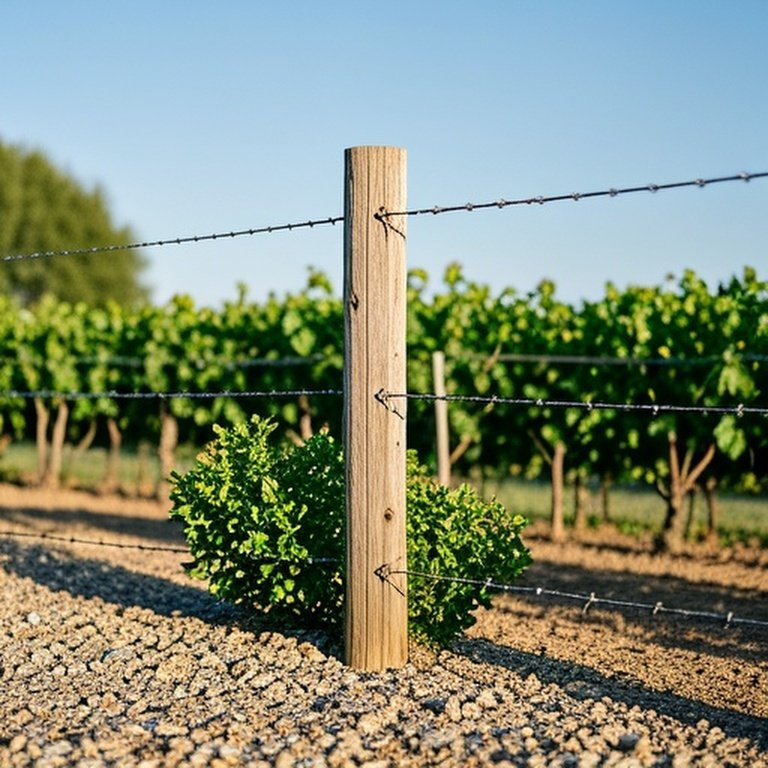
Vines may look harmless at first, but they can seriously compromise fence structure. As they grow, they add weight and surface tension to wire panels and posts. In windy or wet conditions, that added mass acts like a sail, pulling and twisting the fence. Over time, this can loosen staples, warp wooden rails, corrode metal wire, or even collapse sections.
Moisture retention is another hidden problem. Dense vine coverage traps humidity against wood and metal, accelerating rot and rust. On electric fences, vines create electrical shorts and drain voltage. Preventing vine damage is not about appearance — it’s about preserving fence strength, livestock containment, and long-term durability.
Key Factors to Consider
- Type of fence material (wood, woven wire, electric, PVC)
- Vine growth rate and species aggressiveness
- Local climate and rainfall frequency
- Fence location (shade lines and moisture zones)
- Frequency of maintenance inspections
Detailed Explanation
Vines damage fences through three main mechanisms: weight, moisture retention, and structural stress. When vines wrap tightly around wire or rails, they increase tension. As they thicken, the expanding stems can actually push boards apart or distort wire spacing. On woven or high-tensile wire, the added drag during wind events causes sagging and staple loosening.
Moisture is an equally important factor. Dense vegetation prevents airflow, keeping fence surfaces damp for longer periods after rain. Wooden posts exposed to constant moisture deteriorate faster at ground level. Metal fencing may begin corroding where protective coatings are scratched or worn.
Early removal is critical. Cutting vines at the base and gently pulling them away before they harden prevents damage. However, aggressively ripping mature vines off a fence can cause more harm than leaving them temporarily in place. In cases of thick growth, cut and allow the vines to die before removal.
Maintaining a clear strip — typically 12–24 inches wide — along both sides of the fence dramatically reduces vine reattachment. Gravel strips, targeted herbicide application, or regular mechanical trimming prevent regrowth. Consistency is more effective than heavy seasonal clearing.
Preventing vine damage is about proactive maintenance, not emergency repair.
How Cattle Behavior Affects This Choice
Cattle often lean against fences, especially in shaded areas where vines thrive. If vines weaken wire tension or posts, livestock pressure can accelerate structural failure.
Additionally, cattle may push through vine-covered sections where visibility is reduced, testing weak points more frequently.
Calves vs Mature Cattle Considerations
Calves may slip through sagging lower wires concealed by vegetation. Vine buildup hides gaps and weak areas.
Mature cattle exert significant force. If vine weight has already loosened posts, leaning pressure can cause collapse.
Terrain, Visibility, and Pressure Zones
Vines grow fastest in shaded fence lines, creek edges, and low-lying damp soil areas.
Corners and gate sections are particularly vulnerable, as structural stress is already higher in those locations.
When This Works Well
- Vines are removed early in the growth cycle
- Fence line is inspected monthly during growing season
- A maintained vegetation strip reduces regrowth
- Electric fence lines are kept free of contact vegetation
- Corners and posts are reinforced when needed
When This Is Not Recommended
- Pulling mature vines off without cutting first
- Ignoring shaded fence sections during inspection
- Allowing vines to overwinter on fence structures
- Relying solely on seasonal clearing instead of routine maintenance
- Using aggressive tools that damage fence coatings
Alternatives or Better Options
Install a Physical Barrier Strip
Gravel, landscape fabric, or a compacted soil strip reduces vine establishment along the fence base.
Targeted Herbicide Application
Spot-spraying vine bases limits regrowth and reduces repeated mechanical stress on the fence.
Replace High-Risk Wood Posts with Treated or Metal Posts
In damp vine-prone areas, switching materials increases long-term resistance.
Cost, Safety, and Practical Notes
Preventing vine damage is significantly cheaper than replacing posts or rewiring sections. Routine trimming and inspection cost time but prevent structural repairs. Herbicide use involves product cost and safety precautions but reduces long-term labor.
Always wear gloves and eye protection when cutting vines, as tensioned stems can snap back. Avoid pulling vines tightly wrapped around electric wires until power is turned off. In heavily overgrown areas, use hand tools for precision to avoid cutting fence components accidentally.
Practically speaking, prevention is a maintenance task — not a one-time solution. Consistency during the growing season determines long-term fence durability.
Quick Takeaway
Vines damage fences through added weight, trapped moisture, and structural tension. Prevent problems by removing growth early, maintaining a clear strip along the fence line, and inspecting regularly. Consistent light maintenance protects your fence far better than occasional heavy clearing.