Short Answer
To re-tension a sagging fence wire line, first identify the cause of slack, then use a fence stretcher, in-line ratchet tensioner, or splice-and-pull method to restore proper tension without over-tightening. Always check brace assemblies and posts before tightening to avoid shifting structural stress elsewhere in the fence.
Why This Question Matters
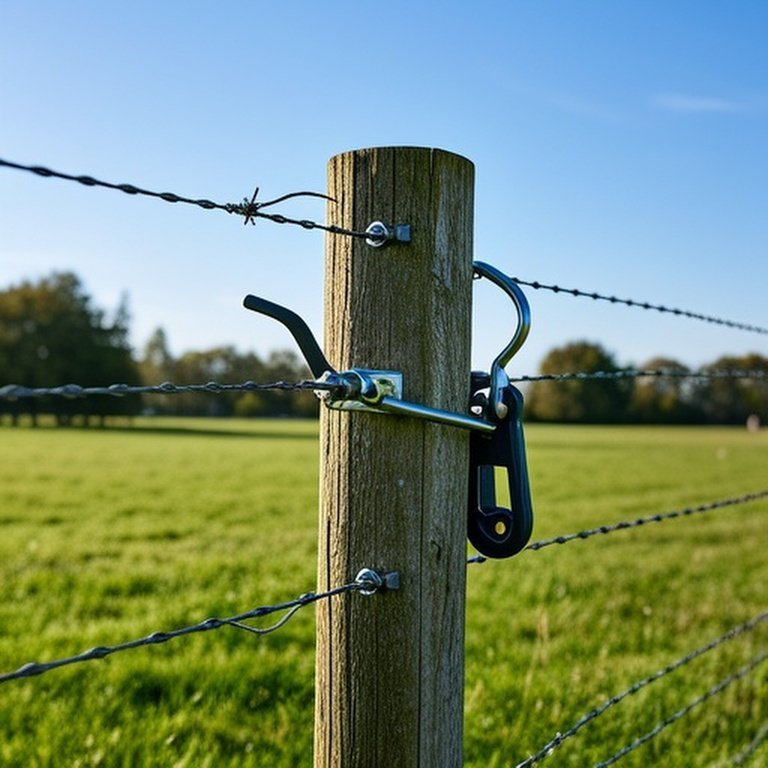
Sagging wire is more than a cosmetic issue. It reduces livestock containment strength, increases the risk of animals pushing through, and allows wildlife intrusion. In electric fencing, sagging can also lower shock effectiveness if wires touch vegetation or lose proper spacing.
Many people attempt to simply pull the wire tighter without inspecting posts or brace systems. This often transfers stress to already weakened components, leading to leaning corners, snapped wires, or damaged staples.
Proper re-tensioning restores structural balance. It corrects slack while maintaining safe load distribution across posts, braces, and anchor points. Done correctly, it extends fence life. Done incorrectly, it accelerates failure.
Key Factors to Consider
- Determine whether sag is from stretch, breakage, or post movement
- Inspect brace assemblies before applying additional tension
- Consider seasonal contraction and expansion effects
- Use appropriate tensioning tools, not brute force
- Avoid exceeding manufacturer tension recommendations
Detailed Explanation
The first step in re-tensioning is diagnosing why the wire sagged. Common causes include seasonal temperature shifts, livestock pressure, soil movement around posts, or gradual metal stretch over time. If a corner post or end brace has shifted, tightening the wire alone will not solve the issue and may worsen structural imbalance.
Once the structure is confirmed stable, controlled tension can be applied. For high-tensile wire, use a proper fence stretcher or in-line ratchet tensioner. These tools allow gradual, measured tightening. For woven wire, a stretcher bar distributes force evenly across vertical strands, preventing mesh distortion.
If the wire has stretched beyond adjustment limits, a short section may need to be cut and re-spliced before re-tensioning. Installing an in-line tensioner during this repair allows future adjustments without cutting again.
Always apply tension slowly and check alignment of posts and braces during the process. The goal is to remove sag while preserving slight flexibility. Wire that is too rigid becomes vulnerable to seasonal snapping and impact damage.
Proper re-tensioning restores performance without overloading the system.
Identifying Structural vs. Wire-Based Sagging
If sag is isolated between two stable posts, the issue is likely simple wire stretch. In that case, adding tension or installing a ratchet tensioner is appropriate.
If multiple spans sag or corner posts lean inward, the root problem is structural. Brace repair must happen before re-tensioning. Ignoring this step can pull posts further out of plumb.
Correct diagnosis prevents repeat repairs.
Choosing the Right Tensioning Method
In-line ratchet tensioners are ideal for routine adjustments. They allow small corrections without cutting wire.
Fence stretchers are better for larger repairs or woven mesh systems. They provide even force distribution.
For electric fencing, built-in tension springs can absorb seasonal movement and prevent recurring sag.
Match the method to the fence type and degree of slack.
When This Works Well
- Posts and braces are structurally sound
- Sag is caused by seasonal wire stretch
- Proper tensioning tools are available
- High-tensile systems include adjustment hardware
When This Is Not Recommended
- Corner braces are loose or leaning
- Posts have shifted due to soil erosion
- Wire is heavily corroded or weakened
- Sag results from repeated livestock impact
Alternatives or Better Options
Install Spring-Loaded Tension Assemblies
These automatically compensate for seasonal expansion and contraction.
Upgrade Brace Systems
Stronger H-braces reduce long-term sagging caused by structural shift.
Replace Severely Stretched Sections
If wire elasticity is compromised, replacement ensures long-term reliability.
Cost, Safety, and Practical Notes
Most re-tensioning repairs are low-cost if caught early. Ratchet tensioners and stretcher tools are inexpensive compared to replacing full fence sections.
Never stand directly in line with a tensioned wire. Sudden breakage can cause dangerous recoil. Apply force gradually and monitor post alignment throughout the process.
Avoid over-tightening to compensate for poor structure. Balanced tension improves longevity and reduces maintenance frequency.
Quick Takeaway
Re-tension sagging fence wire by first diagnosing the cause, stabilizing posts and braces, and then applying controlled tension using proper tools. Remove slack—but preserve flexibility—to maintain long-term fence strength.