Short Answer
You can repair a broken fence post without replacing it by reinforcing it with a steel post support, splinting it with a new post, installing a post mender bracket, or resetting and bracing it if the damage is near ground level. The right method depends on whether the post is cracked, rotted, leaning, or partially broken.
Why This Question Matters
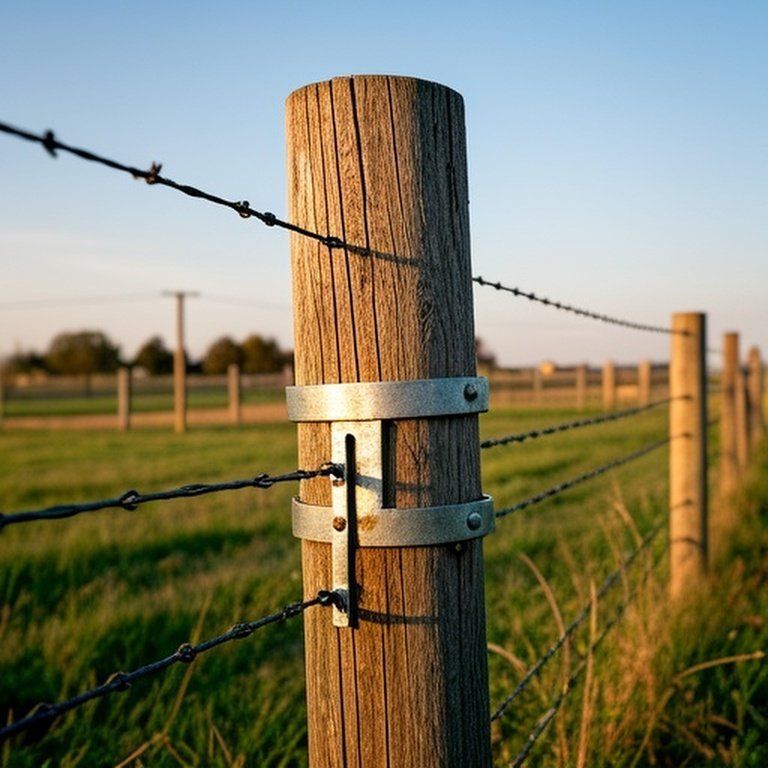
Fence posts are the structural backbone of any farm fence. When one breaks, it weakens wire tension, shifts alignment, and increases pressure on adjacent posts. Replacing a post can be labor-intensive—especially in rocky soil, tight fence lines, or electric systems that require re-tensioning.
Knowing how to repair instead of replace saves time, reduces material cost, and avoids unnecessary disturbance to surrounding posts and wire. For livestock fencing, a fast and stable repair also reduces escape risk and prevents further structural stress along the fence line.
Key Factors to Consider
- Type of damage: crack, rot, shear break, or ground-line failure
- Fence tension load from wire or livestock pressure
- Soil condition and existing post depth
- Corner or line post (load-bearing difference matters)
- Availability of steel brackets or reinforcement materials
Detailed Explanation
Not every broken fence post requires full replacement. In many cases, the structural integrity of the post can be restored by transferring load to reinforcement hardware. For example, if the post is cracked but still mostly intact, installing a steel post mender or splinting it with a second treated post bolted tightly against it can restore strength quickly.
Ground-level rot is one of the most common failure points. If the upper portion of the post remains solid, a steel repair spur or half-post brace driven into the soil beside it can stabilize the weakened section. This method avoids pulling the original post and maintains fence alignment.
Leaning posts often fail due to soil movement rather than wood damage. In these cases, straightening the post, compacting soil, and installing diagonal bracing may solve the problem without replacement. Gravel backfill combined with proper tamping improves drainage and reduces future instability.
However, if the post is a high-tension corner post or is completely severed, replacement is often safer. Reinforcement works best for line posts or moderate load areas. The decision depends on load stress, livestock pressure, and long-term stability requirements.
At this point, you should clearly understand when reinforcement is sufficient and when replacement is unavoidable.
How Cattle Behavior Affects This Choice
Cattle frequently rub, lean, and push against fences, increasing lateral pressure on posts. If the damaged post is located in a high-pressure zone—near feeders, water sources, or shade—it must withstand repeated force. In such cases, simple splinting may not be strong enough. Steel menders or dual-post reinforcement provide better resistance. Behavioral pressure patterns should guide reinforcement strength.
Calves vs Mature Cattle Considerations
Calves exert less force and are less likely to stress repaired posts. Temporary reinforcement methods often work well in calf pens or low-pressure interior fencing. Mature cattle, especially bulls, generate significantly more horizontal load. Repairs in these areas should be overbuilt rather than minimally patched to avoid repeated failure.
Terrain, Visibility, and Pressure Zones
Posts on slopes, wet ground, or erosion-prone soil experience additional stress. If the post failed due to soil instability, reinforcement alone may not solve the issue. Improving drainage or resetting soil compaction may be necessary. Highly visible perimeter fencing may also require more secure and permanent repairs for safety compliance.
When This Works Well
- Damage is localized to one line post
- Wood is mostly intact above ground
- Fence tension is moderate, not high-tension perimeter
- Soil remains structurally stable
- Quick repair is needed to prevent livestock escape
When This Is Not Recommended
- Corner or end brace posts are broken
- Post is severely rotted through its core
- Fence carries high-tensile wire under heavy load
- Soil collapse caused the failure
- Multiple adjacent posts are compromised
Alternatives or Better Options
Full Post Replacement
Best for high-load areas or severely rotted posts. Though more labor-intensive, it restores structural integrity completely and ensures long-term stability.
Install a Steel T-Post Beside the Wooden Post
A cost-effective reinforcement method. Driving a steel post tightly next to the damaged one and wiring them together increases lateral strength quickly.
Upgrade to Treated or Rot-Resistant Posts
If repeated failures occur, switching to pressure-treated, cedar, or steel posts may reduce long-term maintenance costs.
Cost, Safety, and Practical Notes
Repairing a fence post typically costs far less than full replacement, especially when heavy equipment is unavailable. Steel mender brackets and splints are affordable and reduce labor time significantly.
However, safety must remain the priority. Weak repairs in high-pressure zones can fail suddenly, causing livestock escape or injury. Always release wire tension before performing reinforcement. Wear gloves and eye protection when cutting or tightening wire.
In high-tension or corner assemblies, structural failure can transfer stress to other posts. If in doubt, replacement is safer than temporary reinforcement.
Quick Takeaway
Most broken fence posts can be repaired without replacement if the structural core remains intact and the post is not load-bearing. Reinforcement methods such as steel menders, splints, or secondary posts work well for line posts under moderate tension. However, corner posts and severely rotted posts should be replaced for long-term safety and durability.