Short Answer
To repair fence damage after a storm, first inspect the entire fence line for hidden structural failures. Remove debris, reset or replace compromised posts, repair or splice broken wire, and restore proper tension. Reinforce weakened braces and stabilize soil around posts before reattaching fencing materials to prevent recurring damage.
Why This Question Matters
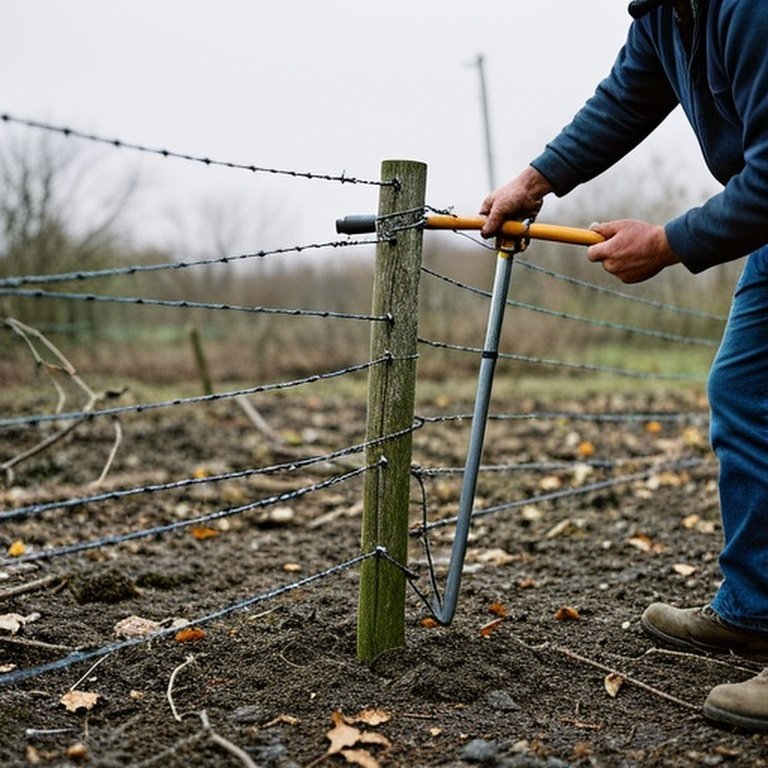
Storm damage is rarely limited to what you can see at first glance. High winds, heavy rain, flooding, and falling branches often compromise fence stability beneath the surface. Posts may loosen in saturated soil, brace assemblies may shift under tension, and wire may stretch beyond its safe working load.
If repairs focus only on visible breaks—like snapped wire—structural weaknesses remain. These weakened sections are far more likely to fail again under livestock pressure or the next weather event. Proper storm repair isn’t just about fixing what fell down; it’s about restoring load balance, tension integrity, and ground stability across the affected section.
Key Factors to Consider
- Type and severity of storm (wind, flood, ice, debris)
- Soil saturation and erosion around posts
- Condition of brace assemblies and corner posts
- Wire tension loss or overstretching
- Livestock containment urgency
Detailed Explanation
The first step in storm repair is a full perimeter inspection. Walk the fence line and look for leaning posts, displaced braces, sagging wire, broken staples, and debris impact points. Flooding can wash soil away from post bases, even if posts appear upright. Press firmly against suspect posts to test for looseness.
Next, clear all fallen branches, vegetation, and debris before beginning structural repairs. Tensioned wire can snap dangerously if cut under load, so relieve tension where necessary before removing damaged sections. If posts have shifted due to soil saturation, reset them deeper and compact soil firmly. In cases of erosion, adding gravel backfill improves drainage and stability.
If wire has stretched but not broken, re-tension it using proper tools such as a fence stretcher. Overstretched wire may need replacement to maintain long-term strength. Corner and end posts require special attention—storm winds often concentrate force on these anchor points. Reinforcing with diagonal brace wire or replacing compromised posts ensures tension is properly distributed again.
Finally, once structural integrity is restored, reattach wire securely and verify even tension across the repaired span. Storm repairs should end with a stability check, not just visual correction. If tension and anchoring are balanced correctly, the fence regains its full structural capacity.
How Cattle Behavior Affects This Choice
After a storm, cattle often test weakened sections. If they detect loose wire or unstable posts, they may lean or push through. Reinforcing high-traffic zones immediately prevents livestock from worsening damage before full repairs are completed.
Calves vs Mature Cattle Considerations
Calves are less likely to break weakened fencing but may slip through widened gaps. Mature cattle exert significant lateral force. If storm damage occurred in adult enclosures, prioritize structural reinforcement over quick patching.
Terrain, Visibility, and Pressure Zones
Storm runoff frequently affects low areas and slopes. Posts in drainage paths are more likely to loosen. Inspect downhill corners, gate areas, and fence lines near tree cover for hidden structural movement.
When This Works Well
- Damage is limited to localized spans
- Posts remain structurally intact
- Soil can be re-compacted effectively
- Wire is repairable or replaceable
- Brace systems remain mostly aligned
When This Is Not Recommended
- Severe flooding caused widespread erosion
- Multiple brace assemblies have failed
- Posts are rotted and structurally compromised
- Wire has extensive corrosion or fatigue
- Entire sections collapsed under tree impact
Alternatives or Better Options
Upgrade to Stronger Brace Assemblies
If storms are frequent, replacing basic corner supports with reinforced H-braces improves resilience against wind load and soil movement.
Improve Drainage Along Fence Lines
Adding gravel bases or redirecting runoff reduces post loosening in flood-prone areas.
Switch to High-Tensile Wire in Vulnerable Zones
High-tensile systems resist stretching better under wind stress compared to lighter-gauge fencing.
Cost, Safety, and Practical Notes
Storm repairs vary widely in cost. Minor wire repairs are inexpensive, while replacing posts and braces increases labor and material expenses. Investing in reinforcement during repair reduces long-term maintenance frequency.
Safety is critical. Never cut tensioned wire without stabilizing it first. Watch for overhead hazards such as partially fallen limbs. Wear gloves and eye protection when handling wire and tools.
Flooded soil can conceal unstable footing. Allow saturated ground to firm up when possible before resetting posts to ensure proper compaction and alignment.
Quick Takeaway
Repairing fence damage after a storm requires more than patching visible breaks. Inspect thoroughly, stabilize posts, restore proper tension, reinforce braces, and correct soil instability. Structural integrity—not cosmetic repair—determines whether your fence withstands the next storm.