Short Answer
Extreme cold makes fencing materials more brittle, reduces impact resistance, weakens ground stability, and interferes with electric conductivity. Steel can lose flexibility, wood may crack, plastic components become fragile, and frost heave can shift posts out of alignment. Without proper design adjustments, winter conditions significantly shorten fence lifespan and compromise livestock containment.
Why This Question Matters
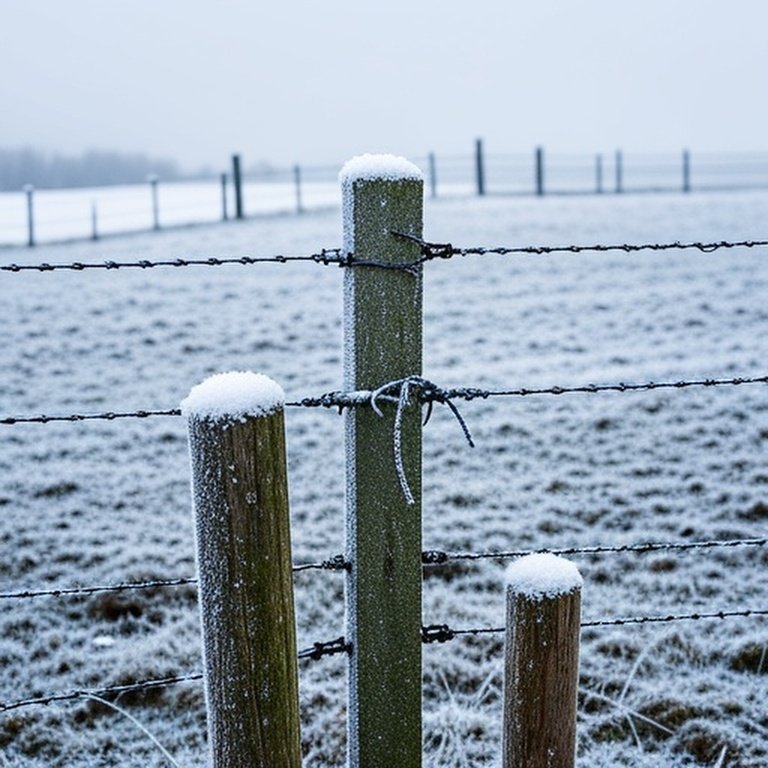
In cold-climate regions, fencing failure is rarely caused by age alone — it is usually accelerated by winter stress. Subzero temperatures, freeze-thaw cycles, heavy snow loads, and frozen soil all introduce forces that fences were never designed to handle in moderate climates. When materials become brittle and ground movement shifts structural anchors, even a well-installed fence can loosen, sag, or fail. For livestock owners, winter fence breakdowns increase escape risk, predator exposure, and emergency repair costs at the worst possible time of year. Understanding how cold affects materials allows you to select the right components, install them correctly, and prevent predictable seasonal damage.
Key Factors to Consider
- Material brittleness increases as temperatures drop below freezing
- Frost heave shifts posts upward during freeze–thaw cycles
- Snow load adds horizontal and vertical structural pressure
- Frozen ground limits proper post depth and anchoring
- Electric fence grounding becomes less efficient in dry, frozen soil
Detailed Explanation
Extreme cold primarily affects fencing materials through physical contraction and reduced material flexibility. Steel wire, especially high-tensile systems, becomes less forgiving under impact stress in subzero temperatures. While steel does not snap easily, sudden pressure from livestock or falling ice can cause fractures at stress points such as crimps, staples, or connection joints. Welded wire mesh is particularly vulnerable at welded intersections, where cold-induced brittleness can lead to micro-cracks that expand under load.
Wood fencing behaves differently but is equally affected. Moisture trapped inside posts and rails expands when frozen, leading to internal stress fractures. Over time, repeated freeze–thaw cycles accelerate splitting and surface cracking. This is especially problematic in untreated or improperly sealed lumber. Additionally, frozen soil reduces the stabilizing friction around buried posts, meaning lateral pressure from wind or livestock can shift posts more easily than in stable soil conditions.
Plastic and PVC components experience some of the most dramatic changes in extreme cold. Materials that remain flexible in summer can become rigid and brittle below freezing. Impact resistance drops significantly, meaning a light kick from cattle or contact with equipment may cause cracking. This is a major concern for temporary fencing systems and plastic insulators used in electric setups.
Finally, the ground itself becomes part of the structural problem. Frost heave — caused by expanding frozen water in the soil — pushes posts upward and alters alignment. When temperatures fluctuate, posts may settle unevenly, loosening wire tension and reducing overall fence stability. At this point, the issue is no longer just material weakness but structural distortion.
By understanding these cold-driven stress factors, livestock owners can design fencing systems that accommodate seasonal movement rather than fight against it.
How Cattle Behavior Amplifies Cold-Weather Fence Stress
In winter, cattle behavior changes in ways that increase fence pressure. Animals tend to cluster for warmth, particularly along windbreaks or perimeter lines. This concentrated pressure places repeated load stress on specific fence sections. When materials are already brittle from cold, this added force can cause staples to loosen, posts to tilt, or wires to overstretch.
Feeding patterns also shift during extreme cold. If hay is placed near fence lines, animals may push against boundaries during feeding competition. Reduced pasture mobility due to snow cover further intensifies localized pressure zones. In cold climates, fence planning must account not just for temperature but for seasonal livestock behavior patterns.
Calves vs. Mature Cattle in Freezing Conditions
Calves typically exert less force than mature cattle, but they are more likely to test fence gaps created by winter shifting. Frost heave can lift bottom wires or create uneven spacing near the ground. Smaller animals may slip through areas that were secure during warmer months.
Mature cattle, on the other hand, generate higher impact loads, particularly when startled by wind gusts or slipping on ice. In brittle conditions, even a brief collision can damage posts or crack insulators. Designing winter-ready fencing requires accounting for both low-clearance containment and high-load impact resistance.
Terrain, Visibility, and Pressure Zones in Winter
Snow cover changes how animals perceive fence boundaries. When lower wires become buried or partially hidden, livestock may unintentionally cross them. Reduced visibility during snowstorms also increases collision risk.
Sloped terrain presents additional hazards. As snow accumulates downhill, fence height relative to ground level decreases. This effectively lowers containment barriers. In wind-exposed ridges, drifting snow can apply uneven side pressure. Identifying these seasonal pressure zones before installation dramatically improves long-term durability.
When Extreme Cold–Adapted Fencing Works Well
- Posts installed below local frost line depth
- Flexible high-tensile systems with proper tension control
- Gravel backfill instead of solid concrete in frost-prone soil
- Wind-permeable fencing designs that reduce snow pressure
- Reinforced corner bracing systems in exposed terrain
When It Is Not Recommended
- Shallow post installation in freeze-thaw climates
- Rigid PVC rails without cold-rated specifications
- Solid panel fencing in high-wind snow regions
- Poorly grounded electric fences in frozen soil
- Low-visibility fencing in heavy drift areas
Alternatives or Better Options
High-Tensile Wire Systems
Properly tensioned high-tensile wire accommodates minor ground movement better than rigid panels. When paired with strong brace assemblies, it handles freeze-thaw cycles more effectively than welded mesh.
Steel T-Posts with Insulated Electric Offset
Combining structural steel posts with offset electric lines reduces physical contact pressure while maintaining containment, especially effective for cattle in winter grouping behavior.
Composite Posts Designed for Cold Climates
Cold-rated composite systems resist moisture absorption and reduce splitting risk compared to untreated wood. They are especially useful in areas with severe freeze cycles.
Cost, Safety, and Practical Notes
Cold-resistant fencing does not necessarily mean higher upfront cost — it means better installation discipline. The most expensive winter failures usually stem from shallow post depth, weak bracing, or improper drainage around posts. Installing below frost depth increases labor but dramatically reduces long-term repair expenses.
From a safety perspective, brittle materials increase injury risk. Broken wire ends, cracked rails, or leaning posts create hazards for both livestock and handlers. Electric fencing requires special grounding adjustments in frozen soil; adding extra ground rods can stabilize winter voltage performance.
Practical planning also includes seasonal inspection timing. Late fall reinforcement and early spring alignment checks prevent small winter shifts from becoming structural failures.
Quick Takeaway
Extreme cold weakens materials, shifts ground structure, and increases livestock pressure on fencing systems. The most durable winter fences are not necessarily thicker — they are deeper, more flexible, and properly braced. Design for seasonal movement, and your fence will survive winter without emergency repairs.