Short Answer
Electric fence height depends on the livestock type. For cattle, the top wire is typically 40–48 inches high. Horses require 48–54 inches. Sheep and goats often use multiple strands with the top wire at 36–48 inches and the lowest wire 4–8 inches above ground. Proper vertical spacing between wires matters more than total height alone.
Why This Question Matters
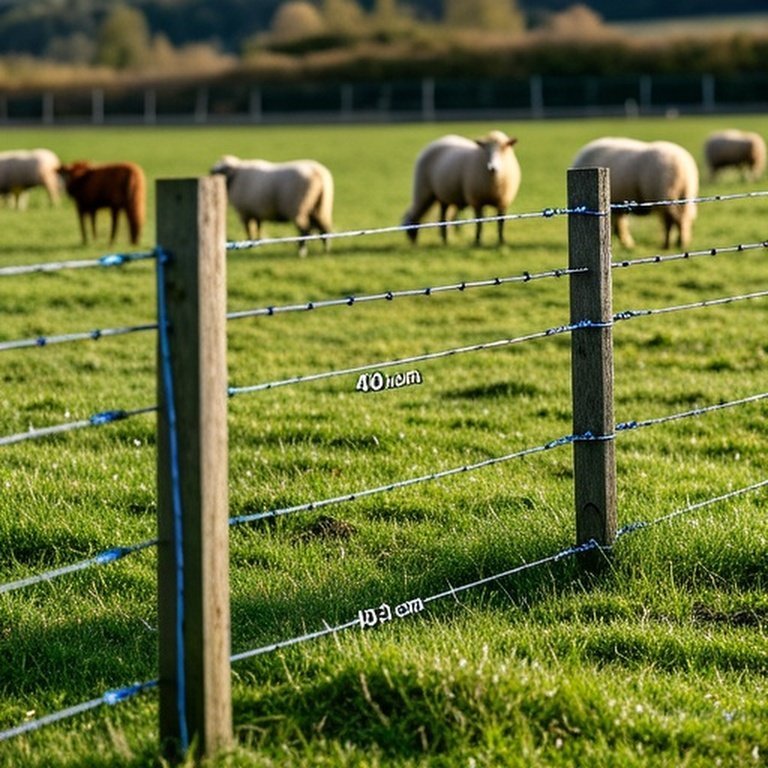
Electric fencing works through psychological deterrence rather than physical mass. If the height is wrong, animals may step over, crawl under, or push through before receiving a proper shock. Once livestock learn that the fence can be defeated, containment reliability drops significantly.
Unlike traditional fencing, electric systems rely heavily on correct wire positioning relative to animal body height and behavior. A wire placed too high misses nose-level contact. A wire placed too low may short out from vegetation. Correct installation height ensures consistent contact, effective deterrence, and reduced maintenance issues over time.
Key Factors to Consider
- Livestock species and shoulder height
- Single-wire versus multi-strand systems
- Perimeter versus temporary rotational fencing
- Predator control requirements
- Vegetation growth and ground clearance
Detailed Explanation
Electric fence height must align with how animals approach barriers. Cattle typically test fences with their nose before applying body pressure. For most cattle operations, placing the top wire between 40–48 inches ensures nose-level contact before leaning occurs. Multi-strand systems may include additional lower wires at 20–30 inches for added deterrence.
Horses require slightly higher placement due to their height and movement patterns. A visible top wire at 48–54 inches provides psychological respect and reduces the likelihood of jumping attempts. Horses respond well to visible electric tape or rope installed at appropriate height.
Sheep and goats require more strategic wire spacing. Because they are smaller and more agile, the lowest wire should sit 4–8 inches above ground to prevent crawling under. Additional wires spaced 6–8 inches apart vertically help maintain consistent deterrence. The top wire for goats typically ranges between 36–48 inches depending on breed and pressure level.
Temporary electric fencing used for rotational grazing often employs step-in posts and 1–3 wires. In these cases, height precision becomes even more important because structural resistance is minimal. For perimeter electric fencing, combining appropriate height with strong posts and grounding improves long-term effectiveness.
Ultimately, effective electric fence height is species-specific and works best when combined with proper grounding, tensioning, and vegetation control.
Extended Practical Considerations
How Cattle Behavior Affects This Choice
Cattle challenge fencing by leaning forward rather than jumping. If the top wire is too low, they may step over. If too high, they may push underneath before contacting it. Installing the primary hot wire at nose height—approximately mid-chest level—maximizes deterrence.
During breeding season or feed pressure, adding a secondary lower wire improves containment stability.
Calves vs Mature Cattle Considerations
Calves can slip beneath higher wires if bottom spacing is excessive. When mixed-age herds are present, a lower strand placed 18–24 inches above ground improves reliability.
Mature bulls may challenge fences aggressively. In such cases, multi-strand systems with proper vertical distribution outperform single-wire setups.
Terrain, Visibility, and Pressure Zones
Uneven ground reduces effective wire height. In sloped areas, adjusting wire placement to maintain consistent clearance prevents under-crossing.
High-pressure zones near gates, water, and feed stations benefit from additional strands or slightly adjusted heights to reduce repeated testing.
When This Works Well
- Well-trained livestock familiar with electric fencing
- Proper grounding system with strong voltage output
- Moderate vegetation growth with routine maintenance
- Clearly visible poly tape or rope for horses
- Controlled rotational grazing systems
When This Is Not Recommended
- Poor grounding or low-voltage energizers
- Heavy vegetation constantly shorting lower wires
- High predator regions relying on height alone
- Extremely uneven terrain without adjustment
- Aggressive livestock unfamiliar with electric systems
Alternatives or Better Options
Multi-Strand High-Tensile Electric Systems
Using 4–6 properly spaced hot wires increases reliability, especially for perimeter fencing and mixed livestock operations.
Electric Offset Wire on Physical Fence
Adding a single hot wire to an existing physical fence improves deterrence without redesigning height structure.
Combination Fence Systems
Woven wire combined with electrified strands provides both physical containment and psychological deterrence.
Cost / Safety / Practical Notes
Electric fencing is generally more affordable than full physical fencing, but improper height installation reduces effectiveness and increases long-term troubleshooting costs. Additional strands raise material expenses but significantly improve containment reliability.
Safety is also important. Overly low wires increase risk of entanglement, especially for horses. Excessively high wires reduce contact probability and weaken deterrence. Proper grounding is just as important as correct height—without adequate grounding rods, even perfectly positioned wires fail to deliver effective shock.
Balancing height, spacing, voltage, and visibility ensures electric fencing performs consistently across seasons and livestock types.
Quick Takeaway
Electric fence height should match livestock nose and shoulder level. For most systems, cattle require 40–48 inches, horses 48–54 inches, and goats or sheep 36–48 inches with tight lower spacing. Correct vertical placement, combined with proper grounding and maintenance, determines effectiveness.