
Short Answer
A properly installed permanent electric fence typically lasts 20–30 years, and often longer with routine maintenance. High-tensile wire, solid posts, quality insulators, and a correctly sized energizer and grounding system determine lifespan. Most failures attributed to “age” are actually caused by poor installation or neglected maintenance rather than material limits.
Why This Question Matters
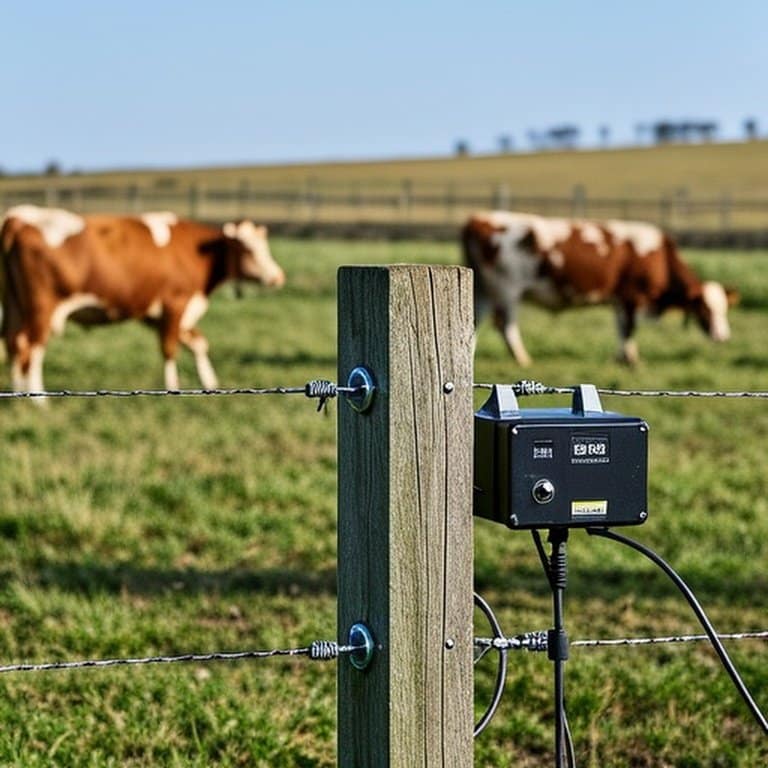
Permanent electric fencing is a long-term infrastructure investment, not a temporary solution. If you’re planning perimeter fencing or fixed paddock layouts, lifespan directly affects total cost and return on investment. Many people underestimate how long these systems can last—or overestimate how quickly they fail—based on experiences with temporary fencing. Knowing the realistic lifespan helps you compare permanent electric fencing fairly against barbed wire, woven wire, or wood fencing, and prevents overbuilding or underinvesting in critical components that determine durability.
Key Factors to Consider
- Wire type and coating determine corrosion resistance
- Post material and installation depth affect structural longevity
- Insulators and hardware quality prevent premature failure
- Grounding and energizer sizing protect system consistency
- Maintenance frequency strongly influences usable lifespan
Detailed Explanation
Permanent electric fences last far longer than many people expect because they are designed to experience very little physical stress once livestock are trained. High-tensile wire does not rely on brute strength; instead, it stays under controlled tension and is rarely impacted after animals learn to avoid contact. This dramatically reduces wear compared to physical containment fences.
Wire lifespan is usually the longest component. Galvanized high-tensile wire can last several decades before corrosion becomes an issue, especially in dry or moderate climates. Posts—whether wood, steel, or composite—often outlast the wire if properly installed. Corner and end assemblies are especially important; failures here shorten the effective life of the entire fence.
Most systems that “wear out” early do so because of design shortcuts. Shallow posts, undersized grounding, cheap insulators, or poorly tensioned wire create ongoing problems that look like aging but are actually structural weaknesses. Energizers and insulators are the most common components to be replaced over time, but these are relatively minor upgrades compared to rebuilding the fence itself.
A well-designed permanent electric fence does not degrade quickly. Instead, it remains stable for decades, with maintenance focused on vegetation control, occasional retensioning, and replacing small components. By the end of this explanation, the key point should be clear: longevity is driven by design and installation quality far more than by material aging.
Video Demonstration
How Cattle Behavior Affects This Choice
Cattle behavior plays a major role in fence lifespan. Once cattle are trained to respect electric fencing, physical contact drops sharply. This reduces wire stretching, post movement, and insulator wear. In contrast, fences that deliver inconsistent shocks invite repeated testing, which accelerates wear. Permanent systems that maintain consistent voltage early tend to last much longer because animals stop challenging them altogether.
Calves vs Mature Cattle Considerations
Calves are easier on fences, but permanent systems must be designed for mature animals. Adult cattle apply more pressure and expose weak points quickly. A fence built only for calves may require reinforcement later, reducing its effective lifespan. Designing from the start for mature livestock ensures the fence remains functional for decades without major redesign.
Terrain, Visibility, and Pressure Zones
Terrain affects how long a fence stays functional. Corners, gates, water points, and feeding areas experience more pressure and require stronger construction. Poor visibility or uneven ground increases accidental contact. Permanent fences that account for these zones during design last significantly longer because stress is managed rather than concentrated.
When This Works Well
- Fence layout is stable over many years
- Livestock are trained to electric fencing early
- High-quality materials are used throughout
- Grounding and energizer capacity are adequate
- Routine inspection and vegetation control are performed
When This Is Not Recommended
- Fence layout changes frequently
- Installation shortcuts are taken
- Cheap insulators or undersized posts are used
- Maintenance is neglected
- Fence is expected to act as a physical barrier
Alternatives or Better Options
If fencing needs are short-term or layouts change frequently, semi-permanent or temporary electric fencing may be more appropriate. These systems cost less upfront but have shorter lifespans and higher maintenance needs. In some operations, combining permanent perimeter fencing with temporary interior fencing provides long lifespan where it matters most while retaining flexibility inside the system.
Cost, Safety, and Practical Notes
The long lifespan of permanent electric fencing is what makes it cost-effective. While upfront costs are higher, spreading those costs over 20–30 years often results in a lower annual expense than cheaper fences that require frequent replacement. From a safety perspective, older fences are not inherently dangerous—poorly maintained ones are. Replacing insulators, checking grounding, and maintaining voltage ensures aging systems remain safe and effective. Most permanent fences fail due to neglect, not age.
Quick Takeaway
A well-designed permanent electric fence can last two to three decades or more. Longevity depends less on time and more on installation quality, livestock behavior, and maintenance. When built correctly, permanent electric fencing is one of the longest-lasting fencing options available.