Short Answer
A wood fence on a farm typically lasts 10 to 20 years, depending on wood type, climate, soil moisture, livestock pressure, and maintenance. Pressure-treated pine may last 15 years, while cedar or hardwood posts can exceed 20 years with proper drainage and upkeep. Poor installation or wet conditions can reduce lifespan significantly.
Why This Question Matters
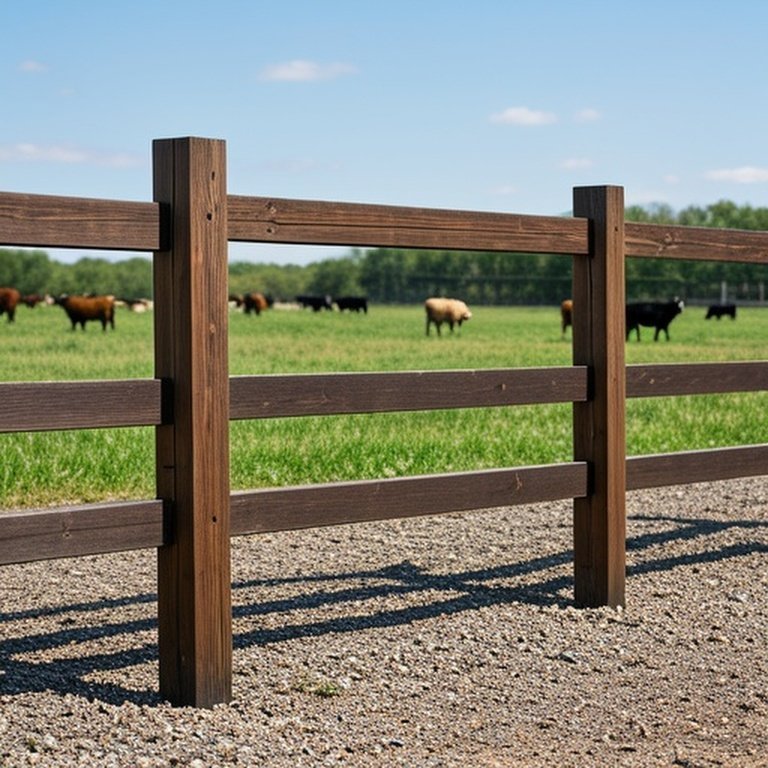
Wood fencing is a long-term investment, and its lifespan directly affects farm budgeting and maintenance planning. Unlike metal wire systems that rely on coating protection, wood gradually deteriorates from moisture, insects, and physical stress. Replacing posts or rails across large acreage can become expensive and labor-intensive. Understanding how long a wood fence realistically lasts helps farmers choose materials wisely, install them correctly, and plan for future repairs before structural failure leads to escapes or injuries.
Key Factors to Consider
- Type of wood (treated pine, cedar, hardwood)
- Soil drainage and ground moisture levels
- Climate exposure and freeze–thaw cycles
- Livestock pressure and rubbing behavior
- Maintenance schedule and hardware quality
Detailed Explanation
The lifespan of a wood fence depends more on environment and installation quality than on lumber alone. Pressure-treated pine is commonly used because it resists rot and insects. In moderate climates with good drainage, it often lasts 12–18 years. Cedar and certain hardwoods naturally resist decay and can last 20 years or longer when properly installed.
The biggest threat to wood fencing is ground moisture. Posts typically fail before rails because soil retains water, accelerating rot at the base. Poor drainage or heavy clay soils shorten lifespan dramatically. Installing posts deep enough, using gravel backfill, and ensuring proper slope drainage can add years to the structure.
Livestock behavior also plays a role. Horses that crib or cattle that rub create localized stress, loosening fasteners and weakening joints. High-pressure areas—gates, corners, feeding zones—often require reinforcement and more frequent repairs. Without maintenance, boards can warp, split, or detach.
Climate compounds these issues. Freeze–thaw cycles cause expansion and contraction, gradually loosening hardware. Intense sun exposure dries and cracks boards, while humid climates accelerate fungal growth. Regular inspection, replacing damaged boards early, and sealing or staining surfaces can significantly extend fence life.
The short answer holds because wood fencing durability varies widely. Under ideal conditions with good installation and consistent maintenance, it can last two decades. In wet or neglected conditions, failure may occur in under 10 years.
How Cattle Behavior Affects This Choice
Cattle apply steady pressure by leaning and rubbing against rails. Over time, this movement loosens nails and screws and shifts posts slightly. While wood fencing can handle moderate pressure, repeated stress accelerates wear.
High-pressure locations need stronger posts and additional bracing. Without reinforcement, structural fatigue reduces lifespan. Understanding herd behavior allows targeted upgrades that prevent premature failure.
Calves vs Mature Cattle Considerations
Calves exert minimal force, so wood fencing often performs well in early herd stages. As animals mature, body weight increases dramatically. Heavier livestock magnify joint stress and fastener strain.
Designing for mature livestock from the start prevents costly mid-cycle reinforcement. Heavier posts and thicker rails add durability and extend overall service life.
Terrain, Visibility, and Pressure Zones
Level terrain promotes even stress distribution. Uneven or poorly drained areas create moisture traps and shifting soil conditions. Posts installed in saturated soil deteriorate faster.
Visibility remains an advantage—animals clearly see solid boards, reducing accidental impacts. However, pressure zones near gates or water troughs often show early signs of wear and require closer inspection.
When This Works Well
- Farms with well-drained soil
- Moderate climates without excessive moisture
- Small to mid-size herds
- Regular inspection and maintenance routines
- Reinforced gate and corner construction
When This Is Not Recommended
- Wet, poorly drained clay soils
- Large-scale perimeter fencing on tight budgets
- Operations seeking minimal maintenance
- High-pressure crowding areas without reinforcement
- Neglected fences without inspection plans
Alternatives or Better Options
For longer lifespan with less maintenance, high-tensile wire or woven wire often outperform wood on large perimeters. Many farms use wood fencing only in paddocks or visible areas while installing wire systems for long boundary runs. Hybrid designs balance durability and appearance while controlling long-term cost.
Cost, Safety, and Practical Notes
Upfront wood fencing costs are typically higher than wire systems, and replacement cycles must be budgeted. However, safety benefits—particularly for horses—can justify the expense. Practical longevity depends on post depth, drainage preparation, and routine inspection. Factoring maintenance labor into total lifespan calculations provides a more accurate cost estimate than material price alone.
Quick Takeaway
A well-installed wood fence on a farm can last 15–20 years, but soil moisture, livestock pressure, and maintenance determine the true outcome. Good drainage and regular inspection extend life significantly, while neglect and wet conditions shorten it quickly.