Short Answer
Installing a fence by yourself typically takes 1–3 days for 100–300 feet, depending on terrain, fence type, soil conditions, and experience level. Simple wire fencing on flat ground can be completed in a weekend, while larger perimeter or braced fence systems may require several days.
Why This Question Matters
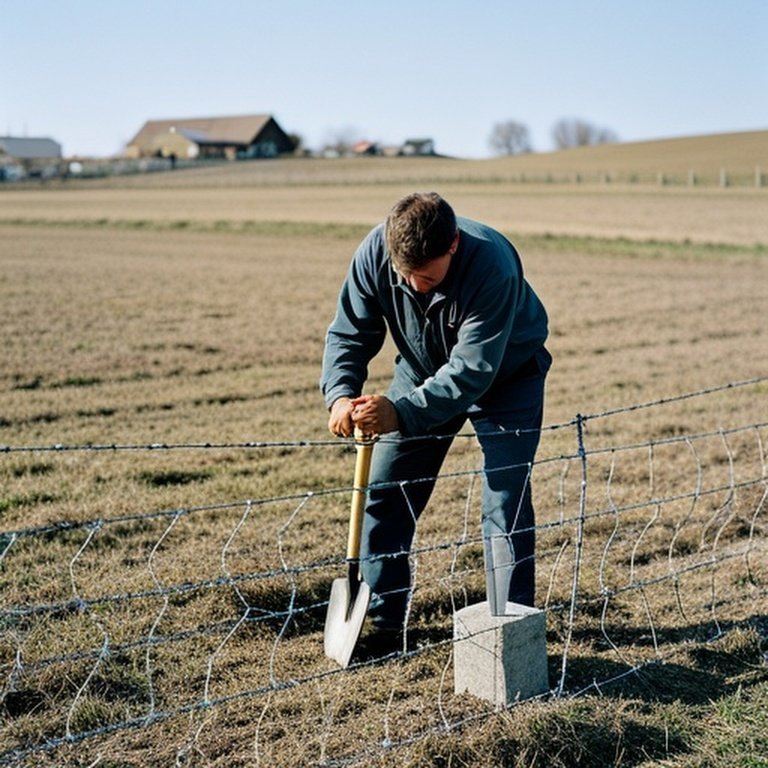
Time planning is one of the biggest unknowns in DIY fence installation. Many first-time installers underestimate how long digging post holes, setting braces, stretching wire, and aligning posts actually takes. Underestimating time leads to rushed work, weak bracing, and poor tension—shortening the life of the fence.
On farms and ranches, time also equals labor cost and livestock risk. If fencing isn’t completed promptly, animals may remain unsecured. Knowing realistic time expectations helps you plan labor, equipment rental, weather windows, and material delivery without stress.
Understanding where time is truly spent—usually in post setting and bracing, not wire attachment—helps you prioritize efficiency and avoid delays.
Key Factors to Consider
- Fence length and total linear footage
- Soil hardness and post hole difficulty
- Fence type: wire, wood, high-tensile
- Corner brace complexity and layout
- Solo labor versus occasional assistance
Detailed Explanation
For most DIY projects, post installation consumes 60–70% of total time. Digging or driving posts—especially in rocky or compacted soil—can slow progress dramatically. On soft ground with a post driver or auger, a single person may install 20–30 posts per day. In hard soil with manual digging, that number may drop significantly.
Corner and brace assemblies require extra time but are critical for fence strength. A proper H-brace or diagonal brace takes precision and cannot be rushed. Expect several hours per corner set if working alone.
Once posts are installed and concrete (if used) has set, attaching and stretching wire moves faster. Woven wire or barbed wire runs may take several hours per 300-foot roll, depending on terrain and tensioning method.
Weather conditions matter. Wet ground slows digging but makes driving posts easier. Frozen soil can double installation time.
For a typical 200-foot woven wire fence on moderate terrain, one person working steadily can complete installation in a long weekend. Larger perimeter fencing—1,000 feet or more—may take a full week of solo labor.
With realistic expectations and preparation, DIY fence installation is manageable, but patience is essential.
How Cattle Behavior Affects This Choice
If the fence is intended for cattle, extra time should be allocated for stronger bracing and tighter tension. Cattle pressure increases structural demands, especially on corners and gate areas.
For interior pasture fencing, installation time may decrease since pressure loads are lower.
Calves vs Mature Cattle Considerations
Calf enclosures often require tighter mesh spacing or woven wire, increasing attachment time. Mature cattle fencing may use fewer wires but requires heavier posts.
Plan extra time if visibility boards or additional strands are required for livestock safety.
Terrain, Visibility, and Pressure Zones
Flat, open terrain speeds installation considerably. Sloped or uneven ground requires contour adjustments, post realignment, and section-by-section stretching.
Areas near gates, water access points, and feeding zones require stronger anchoring, adding time.
Wind exposure and soil drainage conditions may also affect post stability and installation pace.
When This Works Well
- Short fence runs under 300 feet
- Moderate soil conditions
- Clear property lines and minimal obstacles
- Basic wire fencing systems
- Weekend or multi-day availability
When This Is Not Recommended
- Extremely rocky or frozen ground
- Long perimeter fencing over 1,000 feet
- High-tensile systems requiring precision
- Limited daylight or tight livestock timelines
- Situations requiring immediate containment
Alternatives or Better Options
Renting a Post Driver or Auger
Mechanized equipment can reduce installation time by 30–50%, especially in firm soil.
Installing in Sections Over Time
Breaking large perimeter projects into manageable segments reduces fatigue and improves quality.
Hiring Help for Post Installation Only
Professional assistance for post setting while handling wire work yourself balances time and budget.
Cost, Safety, and Practical Notes
Time savings should never compromise safety. Fatigue increases the risk of post misalignment, uneven tension, and injuries from tools or wire recoil.
If using concrete, factor in curing time before applying full wire tension. Rushing tensioning can loosen posts prematurely.
Weather windows are important. Avoid starting large fence projects before heavy rain or temperature drops.
For most small to mid-size DIY farm fencing projects, a well-prepared individual can complete installation within a few days. Larger projects require structured planning and realistic pacing.
Quick Takeaway
Installing a fence by yourself usually takes 1–3 days for small runs and up to a week for larger projects. Most of the time is spent setting posts and bracing. With proper planning, realistic pacing, and strong corner assemblies, DIY fence installation is achievable and durable.