Short Answer
Most electric fences require at least three ground rods to work properly. For larger fences or high-output energizers, four to six ground rods may be necessary. Ground rods should be spaced several feet apart and connected together to create an effective grounding system that allows the fence to deliver a strong, consistent shock.
Why This Question Matters
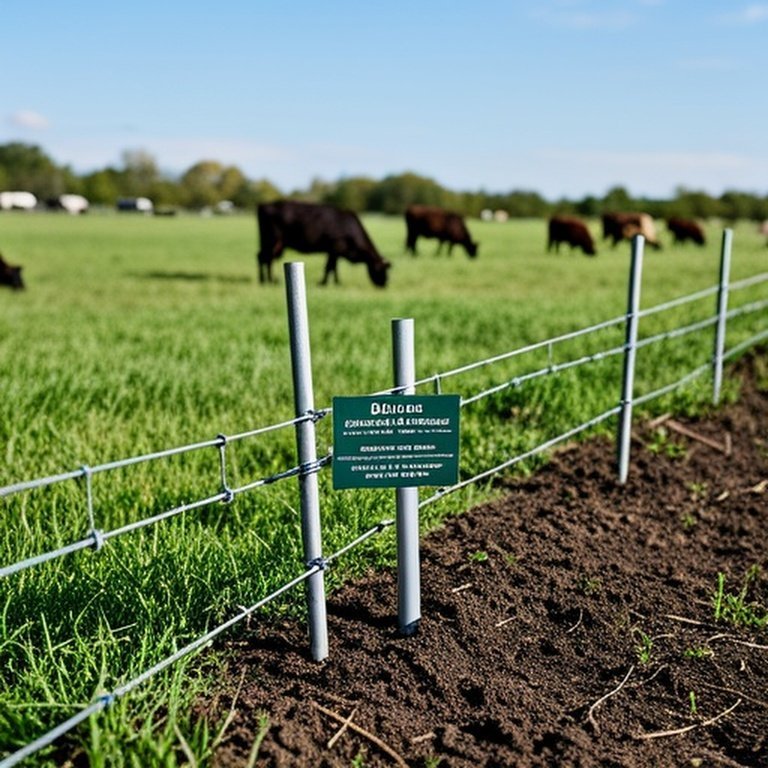
Electric fences fail far more often because of poor grounding than weak chargers. Many fence owners assume the energizer is underpowered when the real issue is insufficient ground rods. This leads to livestock pushing through fences, predators breaching enclosures, and repeated troubleshooting that never solves the problem. Grounding is invisible once installed, so mistakes are easy to overlook—and costly to fix later. Understanding how many ground rods are actually needed helps ensure the fence performs reliably from day one, especially in dry soil, rocky ground, or large pasture systems where grounding demands are higher.
Key Factors to Consider
- Output joule rating of the electric fence energizer
- Total fence length and number of fence lines connected
- Soil moisture, dryness, and electrical conductivity
- Livestock species and required shock effectiveness
- Local climate conditions and seasonal ground changes
Detailed Explanation
Electric fences work by completing an electrical circuit. When an animal touches the fence wire, electricity travels through the animal, into the soil, and back to the energizer through the ground system. Ground rods are what make that return path possible. If the grounding system is too small, electricity cannot flow efficiently, and the shock felt at the fence drops dramatically—even if the charger itself is powerful.
As a general rule, most manufacturers recommend one ground rod for every 1 to 3 joules of output, with a practical minimum of three rods for any permanent electric fence. Small garden or short temporary fences may function with fewer, but livestock fencing almost always benefits from multiple rods. Larger energizers pushing higher joules need more surface contact with the soil to dissipate energy properly.
Soil conditions play a major role. Dry, sandy, frozen, or rocky soils resist electrical flow, which means more ground rods are required to compensate. In these environments, adding extra rods is far more effective than upgrading the energizer. Ground rods should be driven deep—typically 6 to 8 feet—and spaced at least 6 to 10 feet apart, then connected with continuous ground wire.
Proper grounding is not about meeting a minimum requirement—it is about building redundancy. When soil dries out in summer or freezes in winter, multiple ground rods ensure the fence continues to deliver a consistent shock. A well-grounded fence protects livestock, reduces escapes, and prevents unnecessary wear on the energizer itself.
How Soil Conditions Affect Ground Rod Requirements
In moist, loamy soil, electricity flows easily, allowing ground rods to perform efficiently with fewer installations. In contrast, dry or sandy soil offers high resistance, requiring additional rods to spread electrical contact across a larger underground area. Rocky terrain can prevent rods from reaching adequate depth, further reducing effectiveness. In these conditions, spacing multiple rods apart increases the chance that at least some rods remain in conductive soil year-round.
High-Power Energizers and Large Fence Systems
High-joule energizers used for long perimeter fences, predator control, or multi-paddock systems place greater demand on the grounding system. Even if the fence is working initially, insufficient grounding can lead to voltage drop as load increases. Adding ground rods distributes the electrical return path, allowing the energizer to operate at its intended output without strain or inconsistency.
Seasonal Changes and Grounding Performance
Grounding needs are not static. Soil moisture changes throughout the year, and frozen ground can severely limit conductivity. A grounding system that barely works in spring may fail in late summer drought or winter frost. Installing extra ground rods upfront provides insurance against seasonal performance loss and reduces the need for emergency fixes later.
When This Works Well
- Permanent electric fences with properly spaced, deeply driven ground rods
- Moist or moderately conductive soil environments
- Livestock systems requiring consistent shock levels year-round
- Medium to high-output energizers with adequate grounding capacity
When This Is Not Recommended
- Using only one ground rod for livestock fencing
- Relying on shallow or loosely installed rods
- Ignoring soil dryness or seasonal ground changes
- Assuming energizer upgrades fix grounding problems
Alternatives or Better Options
Ground Rod Expansion
Adding additional ground rods is often the simplest and most effective upgrade. It improves performance without replacing the energizer and adapts well to changing soil conditions.
Ground Return Wire Systems
In extremely dry or rocky environments, some fences use a dedicated ground wire along the fence line. This helps complete the circuit even when soil conductivity is poor.
Soil Moisture Management
In limited cases, placing ground rods near naturally moist areas or downspouts can improve grounding, though this should supplement—not replace—proper rod quantity.
Cost / Safety / Practical Notes
Ground rods are relatively inexpensive, usually costing far less than upgrading an energizer. Copper-clad or galvanized steel rods are common and durable. Installation requires effort, but the long-term benefit outweighs the labor. From a safety perspective, proper grounding ensures the fence delivers a short, controlled pulse rather than erratic shocks that can stress animals or damage equipment. Over-grounding is rarely a problem; under-grounding almost always is. If in doubt, add another rod—it is one of the cheapest ways to improve fence performance.
📍 Video Demonstration
Quick Takeaway
For most electric fences, three ground rods is the minimum, but four to six rods provide far more reliable performance—especially for large fences, powerful energizers, or challenging soil conditions.