Goat fencing typically costs $2,500 to $7,000 per acre for permanent perimeter fencing, depending on fence type, terrain, and labor. Woven wire systems fall toward the higher end, while electric fencing is cheaper upfront but often costs more long-term due to maintenance, repairs, and escape-related losses.
Why This Question Matters
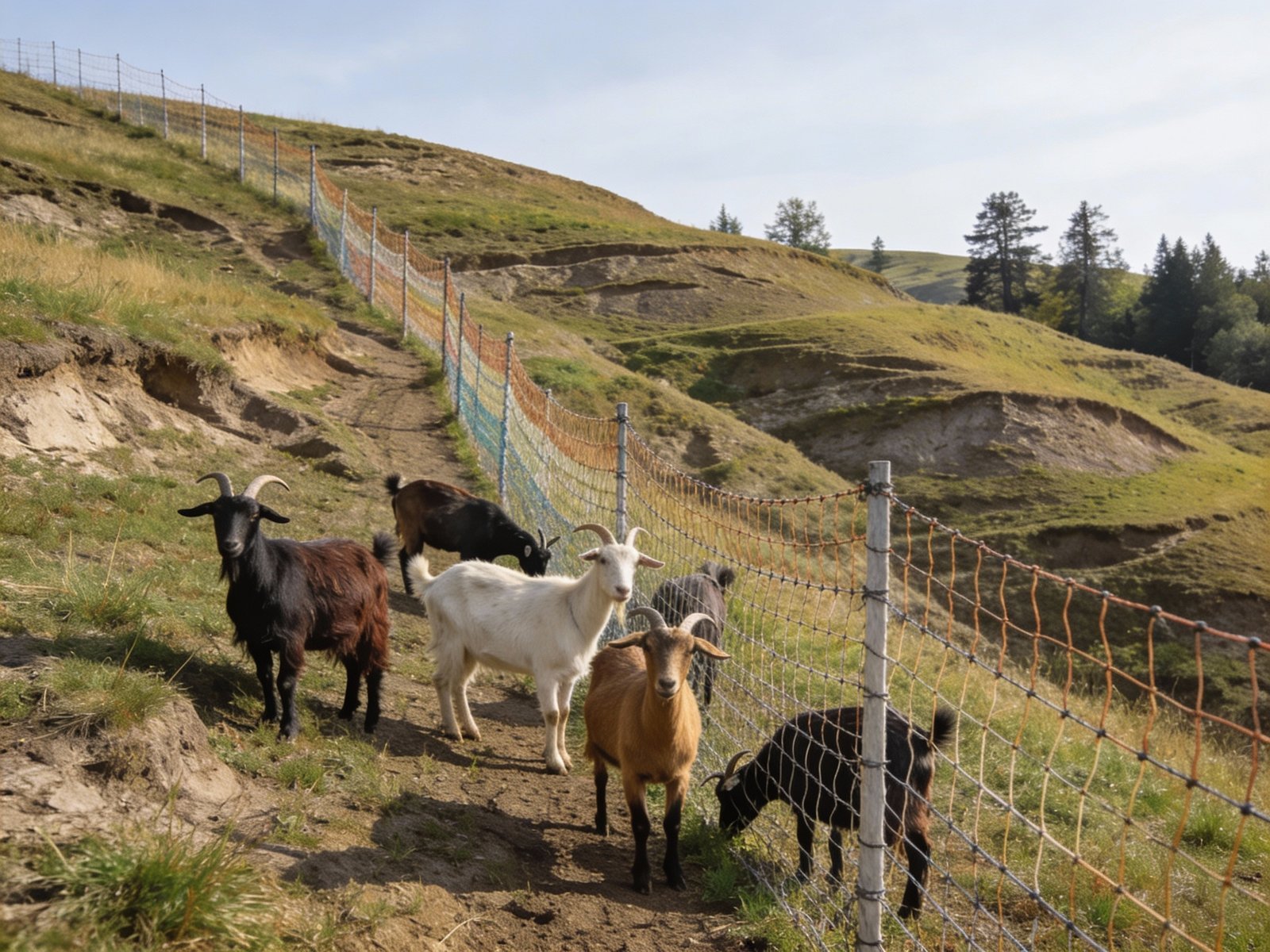
Goat fencing costs are frequently underestimated because many people calculate material prices without accounting for perimeter length, terrain difficulty, or long-term maintenance. Unlike cattle, goats constantly test fences, which means cost mistakes often show up later as repairs, escapes, or predator losses. New owners are especially vulnerable to choosing cheaper systems that look affordable per foot but fail under goat pressure. Understanding cost per acre matters because fencing is one of the largest one-time investments in goat production—and one of the hardest to fix after installation.
Key Factors to Consider
- Acre shape and perimeter length matter more than total acreage
- Fence type determines upfront cost versus long-term repair expenses
- Terrain and soil conditions increase post setting and labor costs
- Predator pressure often requires upgrades beyond basic containment
- Labor availability can double total project cost in some regions
Detailed Explanation
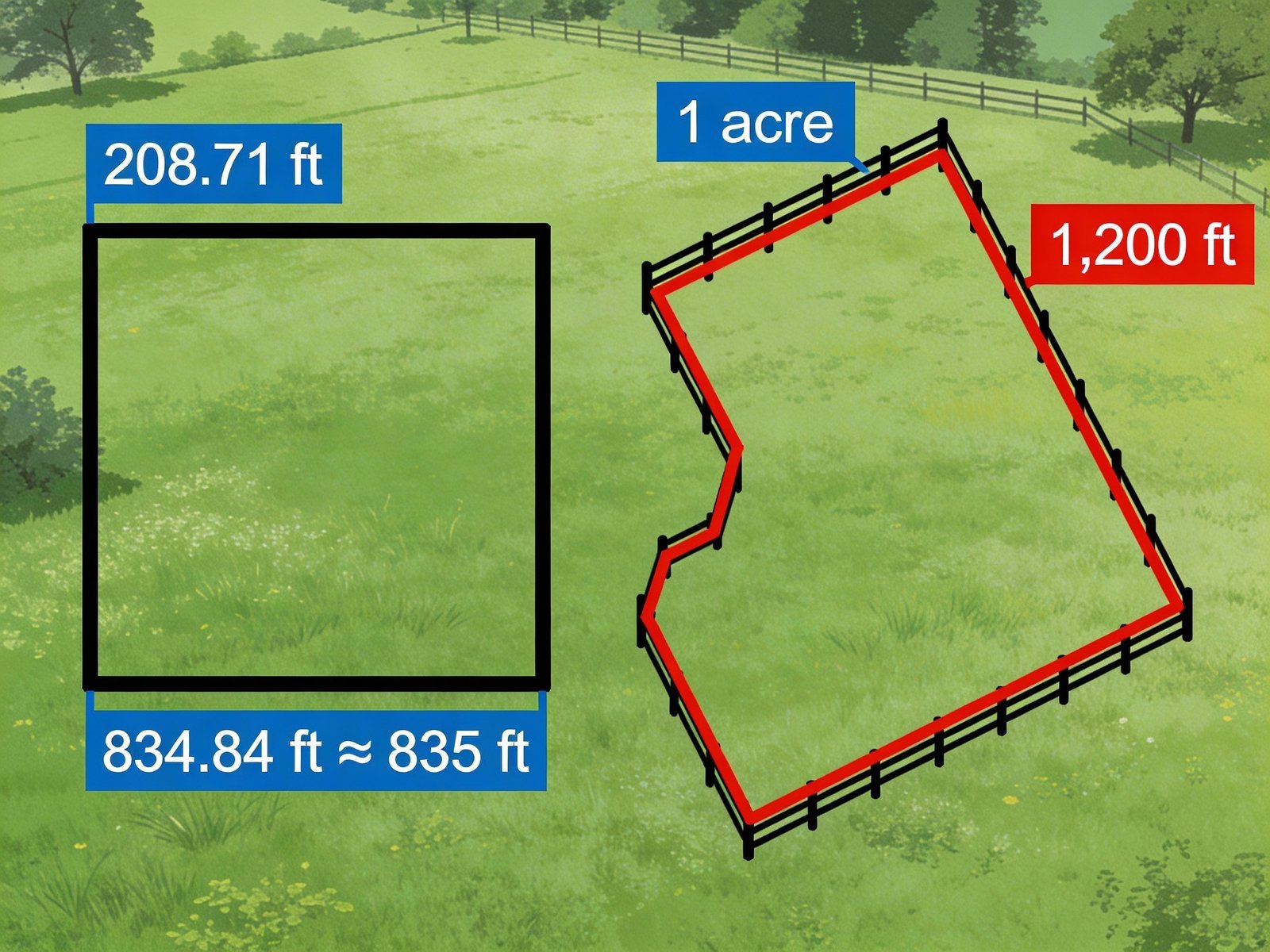
Fencing cost per acre is driven primarily by perimeter length, not acreage itself. A perfectly square acre requires about 835 linear feet of fencing, while irregular shapes, hills, or wooded boundaries can push that number significantly higher. This is why two properties with the same acreage can have dramatically different fencing costs.
Material choice is the next major factor. Woven wire fencing, commonly recommended for goats, typically costs more upfront because it requires heavier posts, tighter spacing, and careful installation. However, it provides constant physical containment and predator resistance without relying on electricity or animal training. In contrast, electric fencing has a much lower material cost but depends on consistent voltage, vegetation control, and behavioral compliance—factors that often fail over time in permanent systems.
Labor often matches or exceeds material cost. Rocky soil, slopes, and corners increase post depth requirements and bracing complexity. In difficult terrain, installation labor can double compared to flat ground. DIY installation reduces cash cost but increases time investment and error risk, especially with tensioning and spacing.
Long-term cost is where many estimates fail. Systems that allow escapes, leaning, or climbing require frequent repairs and upgrades. Over several years, these “cheaper” systems often exceed the total cost of properly built fencing installed once.
The true cost per acre is not the cheapest fence—it is the fence that never needs to be rebuilt.
Fence Type and Cost Range Breakdown
Woven Wire Fencing (Permanent)
Woven wire fencing typically costs $3,500 to $7,000 per acre installed. Material costs are higher, but maintenance is minimal once properly tensioned. This system performs best for predator protection, mixed-age herds, and long-term containment where failure is not acceptable.
Electric Fencing (Permanent or Semi-Permanent)
Electric fencing usually costs $1,200 to $3,000 per acre upfront. However, ongoing maintenance, power reliability, and vegetation management increase long-term cost. It performs best in rotational grazing systems with trained goats and constant oversight.
When This Cost Estimate Works Well
- Square or near-square acreage with minimal terrain obstacles
- Permanent perimeter fencing planned for long-term goat keeping
- Regions with moderate labor and material pricing
- Herds requiring strong predator resistance
When This Cost Estimate Breaks Down
- Highly irregular land shapes or steep terrain
- Heavy predator pressure requiring reinforced fencing
- Remote areas with high labor or transport costs
- Temporary systems expected to become permanent later
Alternatives or Better Options
Some producers reduce upfront cost by installing woven wire only on the perimeter and using electric fencing internally for grazing control. Others phase construction over time, fencing smaller areas first. These approaches exist because fencing budgets often conflict with immediate land use needs—but they require careful planning to avoid costly redesigns later.
Cost, Safety, and Practical Notes
The most expensive goat fence is the one that has to be replaced. Head entrapment injuries, predator breaches, and repeated escapes carry hidden costs in veterinary bills, animal loss, and labor. While electric fencing lowers entry cost, it increases operational risk. Woven wire increases upfront expense but stabilizes long-term budgeting.
A realistic fencing budget should include a contingency of 10–20% for terrain surprises, corner bracing, and upgrades discovered during installation. Planning with this margin prevents compromised designs that fail under real goat behavior.
Video Demonstration
The following video shows real-world goat fencing installations and explains how material choice and perimeter layout affect total cost per acre.
Quick Takeaway
Goat fencing typically costs $2,500–$7,000 per acre, and the most reliable way to control cost is to build the right fence once. Perimeter length, terrain, and fence type matter more than acreage—and cutting corners usually costs more over time.