High-tensile wire fencing typically costs $0.60–$2.50 per foot for materials, and $1.50–$4.00 per foot installed, depending on strand count, post spacing, terrain, and whether electricity is included. While upfront costs can be higher than basic wire, long-term ownership costs are often lower due to durability and reduced maintenance.
Why This Question Matters
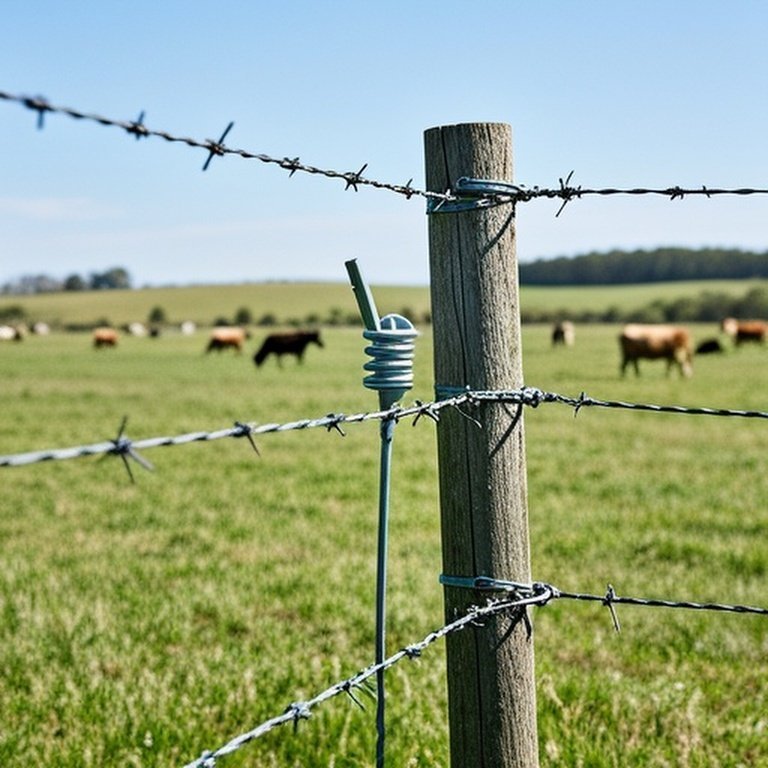
Cost-per-foot is the most common comparison point when choosing fencing, yet it’s also the most misleading if taken alone. High-tensile wire often appears expensive compared to barbed wire, but that comparison ignores strand count, post spacing, labor intensity, and lifespan.
This question matters because underestimating true costs leads to either underbuilt fences or overbuilt budgets. A realistic cost range helps producers decide whether high-tensile wire fits their scale, terrain, and long-term plans—without surprises after installation begins.
Key Factors to Consider
- Strand count: more strands increase material and labor costs
- Post spacing and type: wider spacing lowers cost but increases design demands
- Electrification: energizers, grounding, and insulators add upfront expense
- Terrain complexity: slopes and corners increase labor and materials
- Labor method: DIY versus professional installation
Detailed Explanation
High-tensile wire fencing costs are best understood by separating materials from installation. On the materials side, high-tensile wire itself is relatively affordable per strand. Costs rise with additional strands, braces, insulators, and optional electric components. Because high-tensile systems use fewer strands and wider post spacing than traditional fencing, total material use can be lower even when individual components cost more.
Installation has the biggest impact on per-foot price. High-tensile fencing requires precise tensioning, strong end braces, and careful layout. This increases labor cost compared to simple barbed wire, especially on uneven terrain or long perimeter runs. Professional installation typically falls in the $1.50–$4.00 per foot range, while DIY projects can be lower if proper tools and experience are available.
Electrification changes the math. Adding an energizer, grounding system, and insulators raises upfront cost but often allows fewer strands and reduces long-term maintenance. Over time, this can lower total ownership cost even if initial per-foot pricing is higher.
What most cost comparisons miss is lifespan. High-tensile fencing commonly lasts 25–40 years. When amortized over decades, its annual cost per foot is often lower than barbed or woven wire systems that require replacement or major repair every 10–15 years. The result is a fence that costs more to build, but less to own.
How Cattle Behavior Affects This Choice
Cattle behavior directly influences cost by determining how much reinforcement is needed. Calm, pasture-trained cattle place minimal stress on fencing, allowing lower strand counts and wider post spacing—reducing per-foot cost. In these situations, high-tensile wire is highly cost-efficient.
Aggressive testing, crowding, or pressure at feeding areas increases structural demands. More strands, closer posts, or electrification may be required, raising initial cost. However, these investments often prevent repeated repairs that quickly inflate the apparent savings of cheaper fencing. Behavior predictability is a major cost variable.
Calves vs Mature Cattle Considerations
Calves affect cost primarily through spacing and visibility rather than strength. Preventing pass-through may require additional strands or markers, slightly increasing material cost.
Mature cattle influence cost through force and pressure zones. While high-tensile wire handles adult pressure well, corners and gates must be built stronger, increasing labor and material expense. Designing for adult livestock upfront is usually cheaper than retrofitting later.
Terrain, Visibility, and Pressure Zones
Terrain raises cost by increasing labor and post density. Slopes require closer spacing and stronger anchors. Visibility solutions—such as markers or electric offsets—add modest cost but reduce testing and long-term repairs.
Pressure zones concentrate expense. Gates, corners, and water points often cost significantly more per foot than straight runs, regardless of fencing type. High-tensile fencing benefits from budgeting these areas separately rather than averaging costs across the entire fence line.
When This Works Well
- Large acreage with long, straight fence runs
- Operations planning decades-long use
- Electrified systems reducing strand count
- DIY installations with proper tools and skills
- Calm livestock with predictable movement
When This Is Not Recommended
- Very small projects where setup costs dominate
- Temporary or frequently moved fencing
- Extremely high-pressure containment without electrification
- Projects prioritizing lowest upfront cost only
- Installations without proper bracing or tools
Alternatives or Better Options
Barbed wire fencing offers lower upfront cost per foot but higher maintenance and shorter lifespan.
Woven wire fencing costs more per foot initially and requires more posts, but provides strong physical containment.
Hybrid systems combining high-tensile wire with electric offsets or woven wire in pressure zones often optimize cost and performance.
Cost, Safety, and Practical Notes
High-tensile wire fencing should be evaluated on total ownership cost, not just cost per foot. Higher upfront spending often reduces long-term repairs, labor, and replacement cycles. Safety costs are minimized when tensioning, visibility, and installation practices are done correctly.
Practically, most budget overruns come from underestimating corners, gates, and terrain challenges. Accurate planning and realistic per-foot estimates—adjusted for pressure zones—are the difference between a cost-effective fence and a frustrating project.
Quick Takeaway
High-tensile wire fencing typically costs $1.50–$4.00 per foot installed, with higher upfront expense offset by long lifespan, fewer repairs, and lower long-term ownership cost.