Short Answer
Building a fence typically costs $3,000 to $10,000 per acre, depending on fence type, materials, labor, terrain, and layout. Simple electric or barbed wire fences sit at the low end, while woven wire, high-tensile systems, or wood fencing push costs higher. Acre size alone doesn’t determine cost—perimeter length and fence design matter far more.
Why This Question Matters
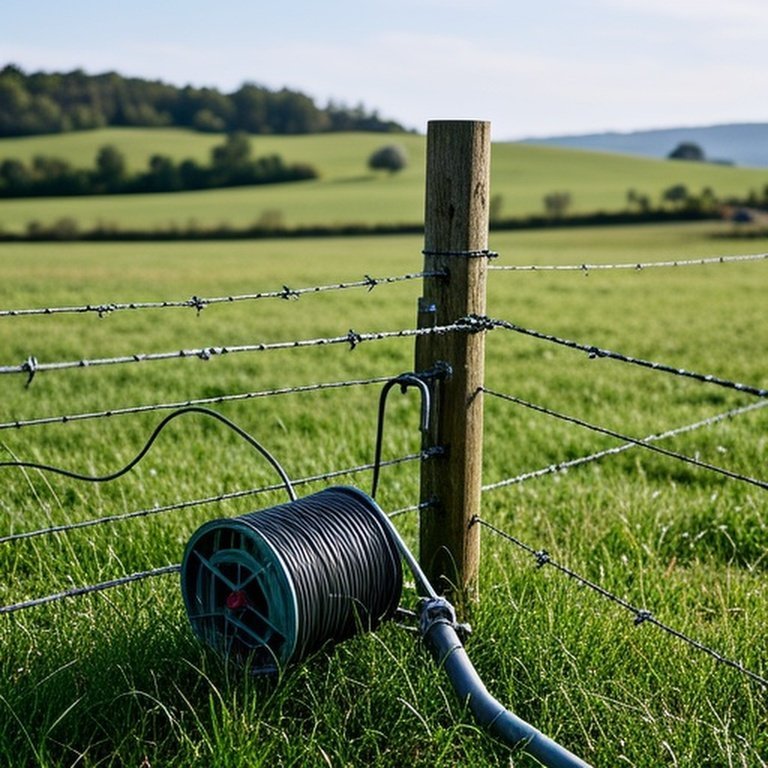
Fence cost per acre is one of the most misunderstood parts of farm and livestock planning. Many people assume that larger acreage always means higher fencing costs, but fencing expenses are driven by linear feet, not land area. A compact 40-acre square pasture may cost less to fence than a long, narrow 10-acre property.
Getting this number wrong can lead to serious budget overruns, poor material choices, or unfinished projects. A realistic per-acre estimate helps you compare fence types, decide between DIY and professional installation, and avoid underbuilding a fence that fails prematurely. In short, this question sits at the center of cost control, safety, and long-term value.
Key Factors to Consider
- Fence cost depends on perimeter length, not total acreage inside the fence
- Material choice strongly affects upfront and long-term expenses
- Labor costs vary widely between DIY and professional installation
- Terrain, soil, and obstacles can significantly increase total cost
- Livestock pressure determines fence strength and complexity
Detailed Explanation
Fence cost per acre is usually calculated by first estimating cost per linear foot, then multiplying that by the total perimeter length. Most agricultural fencing ranges from $1.50 to $10+ per linear foot, depending on materials and installation method. A square acre has about 835 linear feet of perimeter, but most real properties are irregular, which increases footage and cost.
Material selection drives the biggest price swings. Basic electric fencing often costs the least because it uses fewer posts, lighter wire, and faster installation. Barbed wire and high-tensile systems sit in the mid-range, balancing durability and price. Woven wire and wood fencing cost more due to heavier materials, closer post spacing, and higher labor requirements. These fences often deliver better containment but demand higher upfront investment.
Labor can double or even triple total cost. DIY installations may reduce expenses by 30–50%, but only if mistakes are avoided. Poor post depth, improper tensioning, or bad grounding often lead to repairs that erase savings. Professional installation costs more initially but typically delivers better longevity and performance, especially on difficult terrain.
Finally, terrain and layout matter more than acreage size. Rocky ground, slopes, wooded areas, gates, corners, and water crossings all add complexity. This is why per-acre estimates should always be treated as planning ranges, not exact quotes. Accurate budgeting requires matching fence type to livestock, land shape, and long-term use.
Video Demonstration
How Livestock Type Influences Cost
Different livestock apply different pressure to fencing, which directly affects cost per acre. Cattle fencing often allows wider post spacing and fewer wires, keeping costs moderate. Goats, sheep, and pigs require tighter spacing or woven wire, which increases material and labor expenses. Horses often require highly visible, safer fencing materials that sit in higher cost brackets.
In many cases, under-fencing for the livestock type leads to escapes, repairs, and eventual replacement. Spending slightly more upfront often reduces total cost over the fence’s lifespan.
Terrain, Visibility, and Pressure Zones
Flat, open land is the cheapest to fence. Hills, rocky soil, and uneven ground increase post installation time and hardware needs. Visibility also matters: low-visibility fencing often requires extra strands or flagging, especially for horses or wildlife areas.
High-pressure zones—such as corners, gates, and water access points—require heavier bracing and reinforcement. These areas disproportionately increase costs, even though they occupy a small portion of the total fence line.
When This Cost Range Works Well
- Square or compact pasture layouts with minimal perimeter length
- Flat or gently rolling terrain without rock or heavy vegetation
- Electric or high-tensile fencing systems
- DIY or partially DIY installation
- Single livestock species with predictable behavior
When This Estimate Is Not Recommended
- Irregularly shaped properties with long perimeter lines
- Steep, rocky, or heavily wooded terrain
- High-pressure livestock like goats or pigs
- Decorative or residential-grade fencing
- Projects requiring extensive gate systems or road crossings
Alternatives or Better Options
Electric fencing instead of woven wire
Electric systems often cost significantly less per acre and work well when animals are trained. They reduce material volume and installation time, lowering upfront expenses.
Hybrid fencing systems
Combining a physical perimeter fence with electric interior fencing can control costs while maintaining security where it matters most.
Phased installation
Building fencing in stages allows you to spread costs over time and adapt the system based on real-world performance and livestock behavior.
Cost, Safety, and Practical Notes
Cheapest fencing is not always the most economical long-term choice. Low-quality posts, improper spacing, or underpowered systems often lead to repeated repairs, livestock losses, or full replacement. Safety should also factor into cost decisions—poorly designed fences can injure animals or people.
Budgeting should include maintenance, not just installation. A fence that costs more upfront but lasts twice as long often delivers better lifetime value. Always plan for gates, braces, energizers, and grounding systems, which are commonly underestimated but essential for safe operation.
Quick Takeaway
Fence cost per acre typically falls between $3,000 and $10,000, but the real drivers are perimeter length, fence type, labor, and terrain—not acreage alone. The most accurate budgets start by matching livestock needs and land shape to the right fencing system, then planning for long-term durability instead of just the lowest upfront price.