Short Answer
Most farm fences should be inspected at least once per month, plus immediately after severe weather, livestock escapes, or visible impact damage. High-pressure areas—such as gates, corners, and water access points—may require weekly checks. Regular inspection prevents small issues from becoming costly repairs or safety risks.
Why This Question Matters
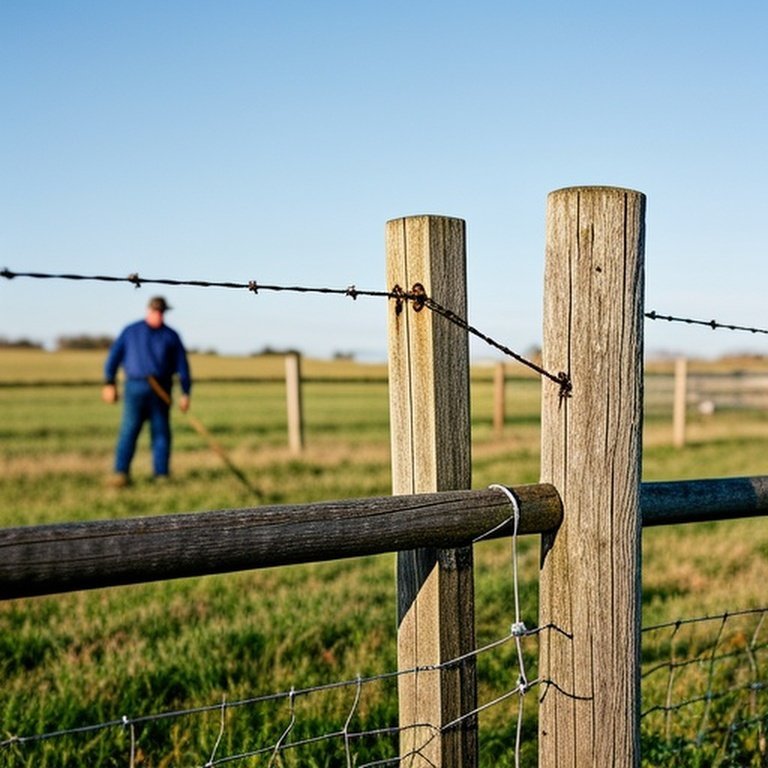
A farm fence is not a “set it and forget it” structure. It protects livestock, defines property boundaries, and prevents predator access. Even a small failure—loose wire, leaning post, broken brace—can lead to escaped animals, injuries, or disputes with neighbors.
The cost of routine inspection is minimal compared to emergency repairs, veterinary bills, or lost livestock. Preventive checks extend fence lifespan, reduce long-term expenses, and maintain consistent containment. In many cases, most fence failures begin as minor weaknesses that could have been fixed in minutes if caught early.
Key Factors to Consider
- Livestock pressure and rubbing increase wear on posts and wire
- Weather events can loosen tension or shift soil around posts
- Fence type determines how often tension adjustments are needed
- Gates and corners experience higher structural stress
- Predator-prone areas require closer monitoring
Detailed Explanation
Monthly inspection works for most farms because it balances practicality with preventive control. A 30-day cycle allows you to identify developing issues—such as sagging wire, loosening staples, soil erosion, or cracked posts—before they compromise structural integrity. Many problems develop gradually, not suddenly, and routine walkthroughs help catch these early-stage failures.
However, inspection frequency should increase in high-risk situations. After heavy storms, flooding, or high winds, fences may shift, stretch, or loosen. Soil saturation can destabilize posts. Snow and ice buildup may bend wire or rails. These conditions justify immediate follow-up checks, even if your regular monthly inspection is not due.
Livestock behavior also plays a major role. Cattle may lean or rub along fence lines. Horses may push or test weak spots. Goats may climb or jump sections with loose tension. Areas near feeders, shade structures, or water sources often receive more pressure than open perimeter lines. These “pressure zones” benefit from weekly visual checks.
The goal is not constant repair—it is early detection. Most fence failures begin as small issues: one loose staple, one slightly leaning post, one low-tension section. Addressing these during inspection prevents cascading damage. By the end of a proper inspection routine, your fence should remain stable, safe, and reliable throughout the year.
How Livestock Behavior Affects Inspection Frequency
Livestock behavior directly determines how often certain fence sections should be checked. Cattle commonly lean, scratch, or push against fences, especially during fly season. Horses may kick or chew rails. Goats test weak points and may climb if mesh spacing allows it.
High-traffic areas—such as near gates, mineral feeders, water troughs, and shade—experience repeated stress. These locations benefit from more frequent inspection than remote perimeter stretches. If animals are rotated regularly between paddocks, cross-fencing should also be monitored after each movement cycle.
In short, inspection frequency should match livestock pressure. Calm pasture animals may require only monthly checks. High-density herds or rotational systems often justify biweekly walk-throughs in critical areas.
Calves vs Mature Livestock Considerations
Younger livestock create different risks than mature animals. Calves, lambs, and kids are smaller and more likely to slip through loose sections or damaged mesh. Even minor sagging in woven wire can create escape gaps.
Mature animals exert greater physical force. Bulls and horses can break weakened rails or posts if startled. Their weight increases the risk of structural failure in compromised sections.
If your herd includes young animals, inspections should prioritize gap size and bottom clearance. If you keep large mature livestock, inspections should prioritize post stability and brace integrity.
Terrain, Visibility, and Pressure Zones
Uneven terrain increases fence stress. Slopes, drainage ditches, and low-lying areas are more prone to soil movement and erosion. Posts set in sandy or wet soil may loosen over time.
Remote fence lines hidden by brush or tall grass can mask developing problems. Limited visibility reduces early detection, increasing risk of surprise failures.
Identifying pressure zones—corners, gate openings, hill crests, and feeding areas—allows you to focus inspection efforts where failure is most likely. Flat, low-pressure perimeter areas may remain stable longer between checks.
When Monthly Inspection Works Well
- Stable soil conditions with minimal erosion or flooding
- Low livestock density and calm herd behavior
- Well-installed fence with proper tension and bracing
- Moderate climate without extreme seasonal stress
- Clear fence lines with good visibility
When More Frequent Inspection Is Recommended
- High livestock density or aggressive animal behavior
- Storm-prone regions with heavy rain or strong winds
- Sandy, wet, or shifting soil conditions
- Predator activity in surrounding areas
- Newly installed fences still settling into soil
Alternatives or Better Strategies
Scheduled Weekly Visual Drive-By
Instead of full walkthroughs, some farmers perform quick weekly drive-by inspections and conduct detailed monthly walk-throughs. This balances time efficiency with early detection.
Post-Event Inspection System
After any major storm, livestock escape, or equipment impact, conduct immediate targeted inspection. Event-triggered checks reduce risk during high-stress periods.
Digital Maintenance Log
Keeping a simple inspection log helps track recurring weak points. Over time, patterns reveal where upgrades or reinforcement may be needed.
Cost, Safety, and Practical Notes
Routine inspection is one of the lowest-cost preventive measures on a farm. Walking fence lines monthly may take a few hours but prevents expensive emergency repairs. Replacing a single loose post early costs far less than rebuilding a collapsed corner brace.
From a safety perspective, inspection protects both livestock and humans. Broken wire can cause cuts. Loose rails may injure animals. Escaped livestock create traffic and liability risks.
Practically, inspections are easiest when combined with regular pasture checks. Bringing basic tools—pliers, spare staples, tension clips—allows you to fix minor issues immediately rather than scheduling separate repair trips.
Consistent inspection reduces long-term maintenance costs, extends fence lifespan, and improves containment reliability.
Quick Takeaway
Inspect your farm fence at least once per month, plus after storms or heavy livestock pressure. Focus on high-stress areas like gates and corners. Early detection prevents costly repairs, livestock escapes, and structural failure. Consistency—not complexity—is the key to effective fence maintenance.