How Tall Should a Fence Be for Cattle?
Short Answer
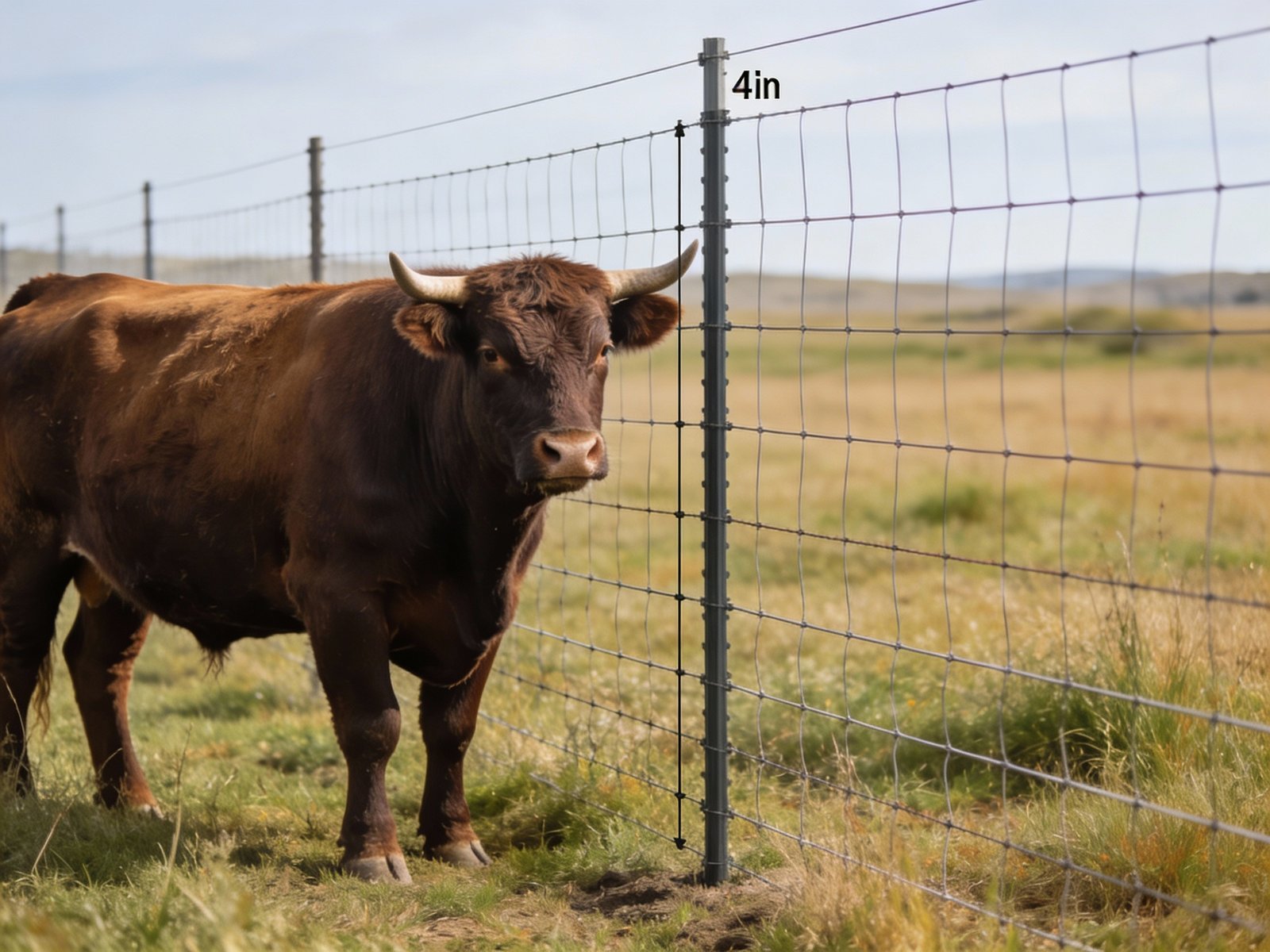
Cattle fences should typically be 48 to 54 inches tall for effective containment. Mature beef and dairy cattle require fencing heights of 48 to 52 inches for most situations, while perimeter fences should be at least 54 inches, and bulls need 54 to 60 inches due to their size, strength, and behavior.
Why This Question Matters
Fence height is critical for cattle containment because it directly determines whether livestock remain safely within designated boundaries or wander into dangerous terrain, roads, or neighboring properties. New cattle owners, pasture managers, and landowners frequently ask this question when planning fencing projects, as they need to balance animal safety, legal compliance, and budget constraints.
A common misconception is that one fence height fits all cattle operations. In reality, optimal height varies based on cattle type, age, breed behavior, fence construction method, and specific site conditions. Undersized fencing leads to costly escapes, injured animals, and potential liability issues, while oversized fencing unnecessarily increases material and installation costs. Understanding the right height for your specific situation prevents these problems and ensures long-term containment success.
Key Factors to Consider
Several critical factors influence the optimal fence height for cattle containment:
- Cattle size, age, and breed: Mature beef cattle require taller fences than dairy cattle, while calves need lower bottom wires to prevent crawling underneath. Bulls demand the tallest fencing due to their aggressive behavior and physical strength.
- Fence type and construction method: Barbed wire, woven wire, and electric fencing each have different height requirements and strand configurations that affect containment effectiveness.
- Perimeter fencing vs interior cross fencing: Perimeter fences need greater height and strength for maximum security, while interior subdivision fences can be slightly lower.
- Terrain, slope, and ground conditions: Cattle approaching fences from uphill positions can clear lower barriers more easily, requiring additional height in sloped areas.
- Presence of bulls or high-pressure situations: Breeding operations, high-traffic areas near feed stations, gates, and corners experience increased pressure and require enhanced height specifications.
Detailed Explanation
Recommended fence heights for cattle are based on animal behavior, physical capabilities, and decades of agricultural research. The industry standard of 48 to 54 inches has proven effective because it reaches or exceeds the shoulder height of most cattle breeds, creating both a physical barrier and a psychological deterrent to jumping or pushing through.
Cattle behavior plays a significant role in fence effectiveness. These animals are naturally curious and will test fence boundaries, particularly when they sense better forage on the other side. A fence positioned at shoulder height discourages jumping attempts because cattle cannot easily see over it or gauge the landing area. This height also prevents cattle from leaning over the fence to graze, which can damage fence integrity over time.
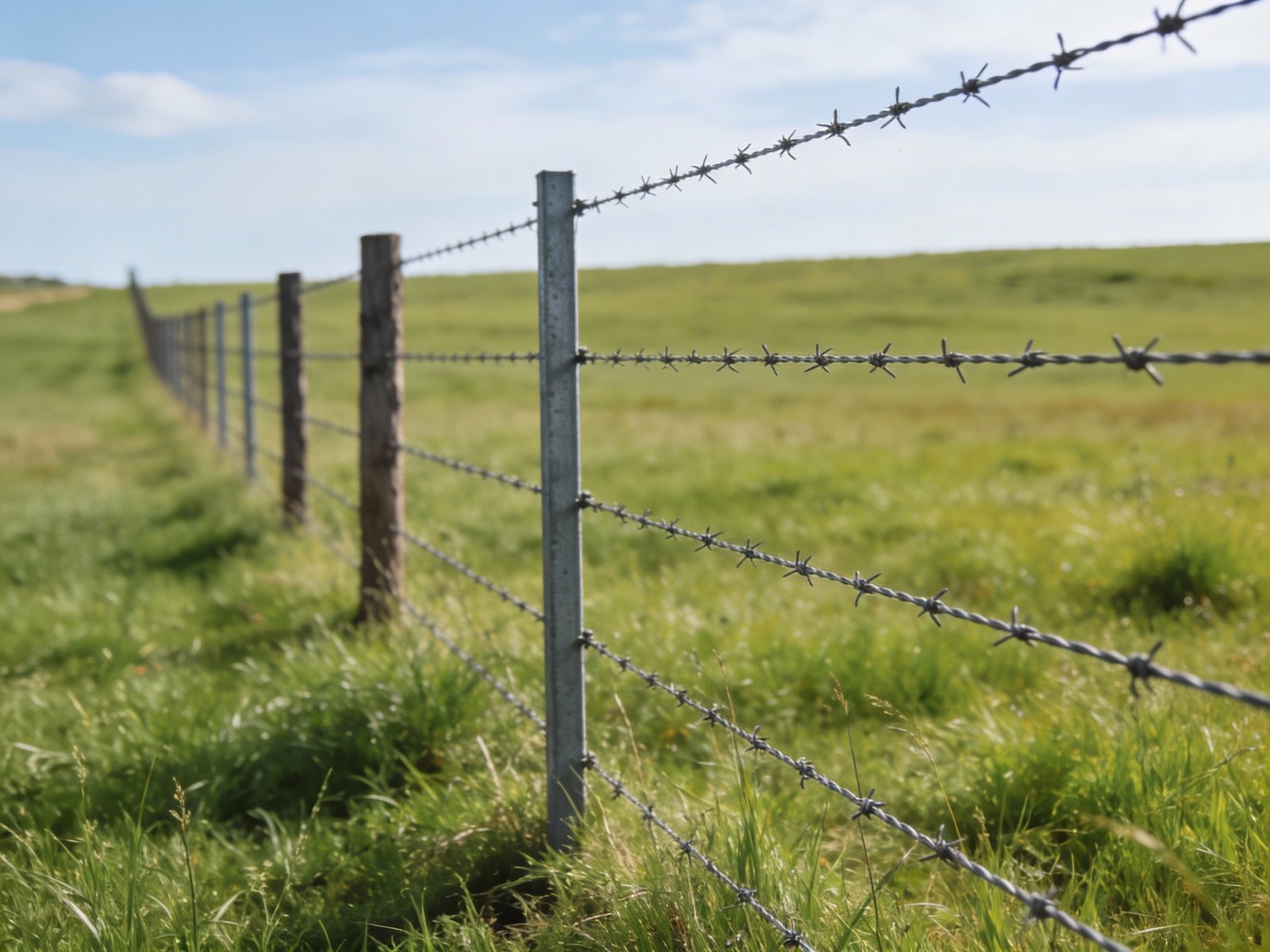
Physical containment principles explain why specific heights work across different fence types. For barbed wire fences, typical configurations use four to five strands with the top wire positioned at 48 to 54 inches. The spacing between wires creates multiple pressure points that discourage cattle from pushing through. Standard spacing from the ground up is approximately 16, 26, 36, and 46 inches for a four-wire system, though this can vary based on the presence of calves.
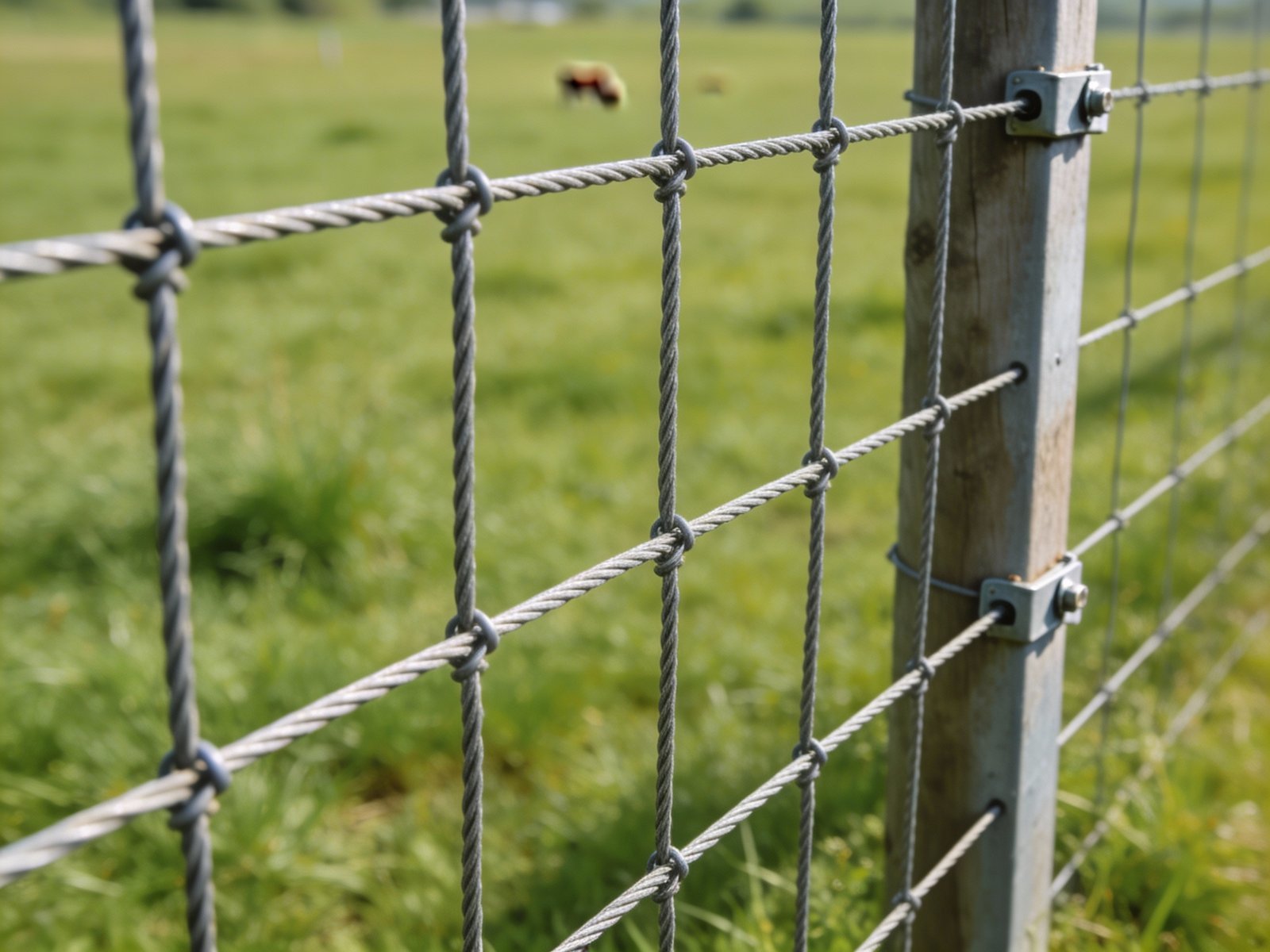
Woven wire fencing offers superior containment with heights ranging from 47 to 52 inches. The interwoven grid pattern prevents cattle from inserting their heads through the fence while providing excellent visibility for both animals and operators. This fence type is particularly effective for containing various livestock sizes simultaneously, as the mesh design addresses both large animals attempting to push through and small calves that might squeeze between wider wire spacings.
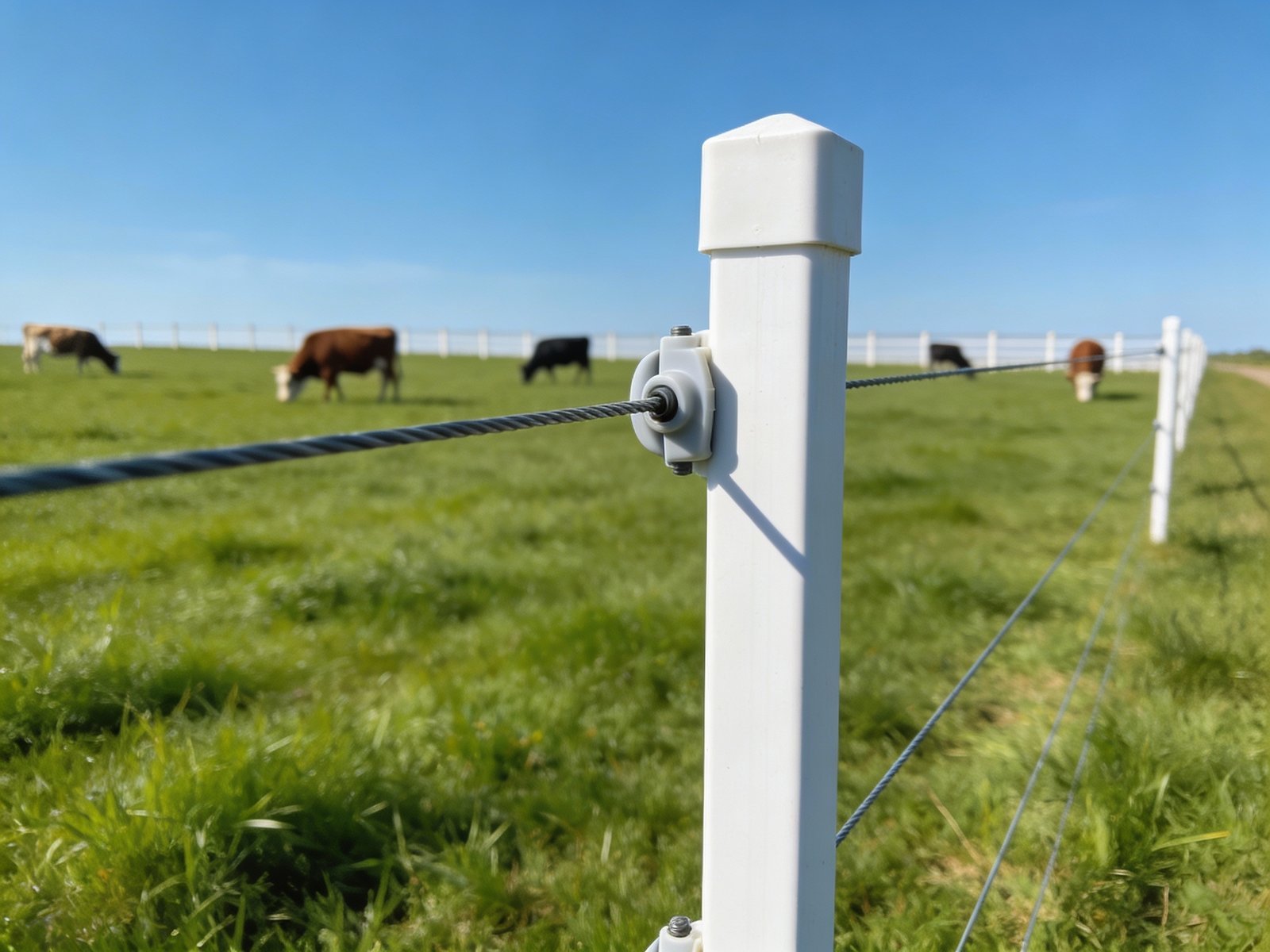
Electric fencing height requirements differ significantly from physical barriers because they rely on psychological conditioning rather than pure physical obstruction. For mature cattle, a single-strand electric wire positioned 40 to 48 inches from the ground often provides adequate containment. However, operations with both cows and calves typically require two to three strands, with heights at approximately 20, 30, and 40 inches for a three-wire system. The key is positioning at least one hot wire at nose height, where cattle naturally investigate unfamiliar objects.
Standard Fence Height Recommendations
Fence Height by Fence Type
Different fencing materials require specific height configurations to achieve effective cattle containment. Understanding these distinctions helps landowners select the appropriate system for their operations.
Barbed wire fencing remains the most popular choice for cattle ranchers due to its affordability and proven effectiveness. Standard barbed wire fences typically use four to five strands with a total height of 48 to 52 inches. The bottom wire should be positioned 14 to 18 inches from the ground to contain calves while allowing wildlife passage. Subsequent wires are spaced at approximately 10 to 13-inch intervals, with the top two wires spaced slightly wider at 12 to 15 inches apart. Five-strand configurations provide medium to heavy livestock pressure containment, while three-strand systems suffice only for light pressure situations or temporary cross-fencing.
Woven wire fencing provides superior containment with heights between 47 and 52 inches for cattle applications. The continuous mesh design eliminates gaps that could allow calves to escape or predators to enter. Installation typically includes one additional strand of barbed wire positioned above the woven wire mesh, bringing total fence height to 54 inches. This combination offers excellent containment while the top barbed strand discourages cattle from leaning over the fence. Wire spacing within the mesh gradually increases from bottom to top, with tighter spacing near the ground to prevent small animals from passing through.
Electric fencing operates on different principles and therefore uses different height specifications. For mature dairy cattle in low-stress environments, a single-strand wire at 40 to 42 inches provides adequate containment. Beef cattle operations typically employ three-wire systems with strands at 20, 30, and 40 inches for cross-fencing applications. When containing cattle with calves, four-wire configurations positioned at 16, 26, 36, and 46 inches ensure all age groups respect the fence boundary. Bulls require five to six strands, with the lowest wire at 6 inches and the highest at 42 inches, creating multiple contact points that deter even the most determined animals.
High-tensile smooth wire systems combine physical barrier properties with flexibility, requiring heights of 48 to 54 inches with proper strand spacing. These systems use fewer but stronger wires than traditional barbed wire, with typical configurations including three to five strands. Proper tension is critical for effectiveness, as loose wires allow cattle to push through. Post spacing can extend to 50 to 80 feet for high-tensile systems, compared to 10 to 12 feet for standard barbed wire, significantly reducing material costs.
When This Works Well
Standard recommended fence heights of 48 to 54 inches perform effectively in several common cattle management scenarios:
- Mature cattle in open pasture: When containing adult beef or dairy cattle without calves, standard heights provide reliable containment with minimal maintenance requirements. The fence reaches shoulder height, creating both a visual and physical barrier that discourages escape attempts.
- Low-stress herds with adequate forage: Cattle that are well-fed and not experiencing breeding pressure, overcrowding, or competition rarely test fence boundaries aggressively. In these situations, properly installed fencing at standard heights maintains containment year-round.
- Properly installed perimeter fencing: When perimeter fences are constructed with correct corner bracing, appropriate post spacing, and adequate wire tension, 54-inch heights prevent escapes even in high-wind conditions or when cattle crowd against the fence during storms or social interactions.
When This Is Not Recommended
Standard fence heights may prove insufficient or inappropriate in specific situations that require enhanced containment measures:
- Young calves or mixed-age herds: Calves can squeeze under or through fencing that contains mature cattle effectively. Operations with cow-calf pairs need additional attention to bottom wire height, with the lowest strand positioned no more than 14 to 16 inches from ground level. Woven wire fencing often provides better containment for mixed-age groups than barbed wire.
- Areas with steep terrain or uneven ground: Sloped ground dramatically affects effective fence height. Cattle approaching from uphill can clear fences that would contain them on level ground. Installing taller fencing or adding offset electric wires at the top of slopes prevents escapes. Ground dips and washouts require special attention, as gaps under fencing allow cattle and predators to pass through.
- High-pressure areas such as corners, gates, or feeding zones: Locations where cattle congregate experience increased pressure from crowding, pushing, and climbing behaviors. Corners benefit from 54 to 60-inch minimum heights, while areas adjacent to feed bunks or water sources may require reinforced construction with additional wire strands or combination physical and electric systems.
Alternatives or Better Options
When standard fence heights prove inadequate, several alternative approaches enhance containment effectiveness:
- Using taller fencing or additional wire strands: Increasing perimeter fence height to 54 to 60 inches provides extra security for valuable breeding stock or situations with bulls. Adding a fifth or sixth strand to existing four-strand barbed wire fences costs significantly less than complete fence replacement while improving containment.
- Adding electric offset wires to existing fences: Installing offset brackets with one or two electrified wires positioned 6 to 8 inches outside and above existing physical fencing creates a dual-barrier system. This approach works exceptionally well for problem areas where cattle repeatedly test boundaries or for adding containment without replacing functional but marginal fencing.
- Combining physical fencing with electric systems: Hybrid systems using woven wire or barbed wire as the primary barrier, supplemented with electric offset wires, provide both physical obstruction and psychological deterrence. This combination offers the highest level of containment security for challenging situations involving aggressive bulls, high cattle density, or areas with valuable crops adjacent to pastures.
Cost, Safety, or Practical Notes
Cost Considerations
Fence height directly impacts total project costs through increased material requirements and labor intensity. Barbed wire fencing averages approximately 1.40 to 1.50 dollars per linear foot for standard 48-inch installations, including materials and labor. Increasing height to 54 inches adds roughly 15 to 25 percent to material costs, as longer posts, additional wire strands, and enhanced bracing become necessary. For a typical 20-acre cattle operation requiring approximately 3,730 feet of perimeter fencing, this height increase adds 2,000 to 3,000 dollars to total project costs.
Woven wire fencing costs significantly more than barbed wire, ranging from 5 to 9 dollars per linear foot installed for 47 to 52-inch heights. However, this investment provides superior containment and typically lasts longer with less maintenance. Electric fencing offers the most economical option at 0.50 to 3.50 dollars per linear foot, though ongoing energizer operation and more frequent maintenance add to long-term costs. High-tensile smooth wire systems fall between barbed wire and woven wire in cost, averaging 1.50 to 3.00 dollars per linear foot installed.
Professional installation typically costs two to three times material expenses, though experienced contractors complete projects faster and with better long-term durability than inexperienced DIY attempts. Labor costs increase with fence height due to the difficulty of handling longer posts and working at elevated positions. Terrain complexity, soil conditions, and accessibility also significantly impact installation costs regardless of fence height.
Safety Considerations
Fence height affects safety for both animals and handlers in ways that extend beyond simple containment. Taller fences provide better visibility of the fence line, reducing accidental collisions when cattle run or stampede. However, excessively tall fencing can create hazards if cattle attempt to jump over, as greater fall heights increase injury risk upon landing.
Barbed wire poses inherent injury risks regardless of height, particularly for cattle that scratch against posts or push through damaged sections. Cuts, lacerations, and eye injuries occur when cattle rub against or become entangled in barbed wire. Woven wire reduces these risks substantially, as the smooth wire surface and mesh construction prevent the severe cuts common with barbed wire. Electric fencing provides the safest option for cattle, as properly functioning systems deliver brief, uncomfortable but non-harmful shocks that train cattle to avoid fence contact.
Sharp edges, protruding wires, and loose strands create hazards at any fence height. Regular inspection and maintenance are essential for preventing injuries. Posts with exposed nails or splintered wood should be repaired immediately. Bottom wire clearance of 14 to 18 inches allows wildlife passage underneath fencing, reducing fence damage and wildlife injury while maintaining cattle containment.
Maintenance and Longevity
Taller fences experience greater wind loads and require stronger posts, deeper post settings, and more robust bracing systems. Corner and end posts for fences 48 inches or taller should be at least 8 feet long with 42 inches buried underground. H-brace or cross-brace systems distribute tension loads and prevent post leaning over time. Line posts require spacing of 8 to 12 feet for barbed wire fences, though high-tensile systems extend this to 50 to 80 feet with intermediate droppers or stays.
Wire tension maintenance proves more critical for taller fences, as sagging under livestock pressure or temperature changes allows cattle to push through or lean over the top strand. High-tensile systems use inline strainers and tension springs to maintain proper tightness throughout seasonal temperature fluctuations. Traditional barbed wire requires periodic re-tightening, particularly in the first year after installation as posts settle.
Vegetation management becomes more important with increased fence height, as grass, weeds, and brush contacting electric wires cause shorts that reduce voltage below effective levels. Maintaining a clear zone of 12 to 18 inches on both sides of electric fences ensures reliable operation. Woven wire and barbed wire fences tolerate vegetation contact better but still benefit from periodic clearing to facilitate inspection and prevent accelerated corrosion from constant moisture exposure.
Related Questions
- Is barbed wire safe for cattle?
- How many strands of wire do cattle need?
- What is the best fencing for cattle?
- Electric fence vs barbed wire for cattle
- How deep should cattle fence posts be set?
- What is the best wire spacing for cattle fences?
Quick Takeaway
Cattle fences should be 48 to 54 inches tall for most situations, with perimeter fences at the higher end and bulls requiring 54 to 60 inches, though specific height requirements vary based on cattle type, terrain, fence construction method, and operational pressure points.
Disclaimer: Fencing practices, safety requirements, and regulations may vary by location. Always check local laws and consult professionals when necessary.