Short Answer
Temperature changes cause fence wire to expand in heat and contract in cold. In hot weather, wire tension decreases and may sag. In cold weather, wire tightens and can overstress posts or connectors. Proper installation accounts for seasonal variation by setting moderate tension and using tensioners or springs where appropriate.
Why This Question Matters
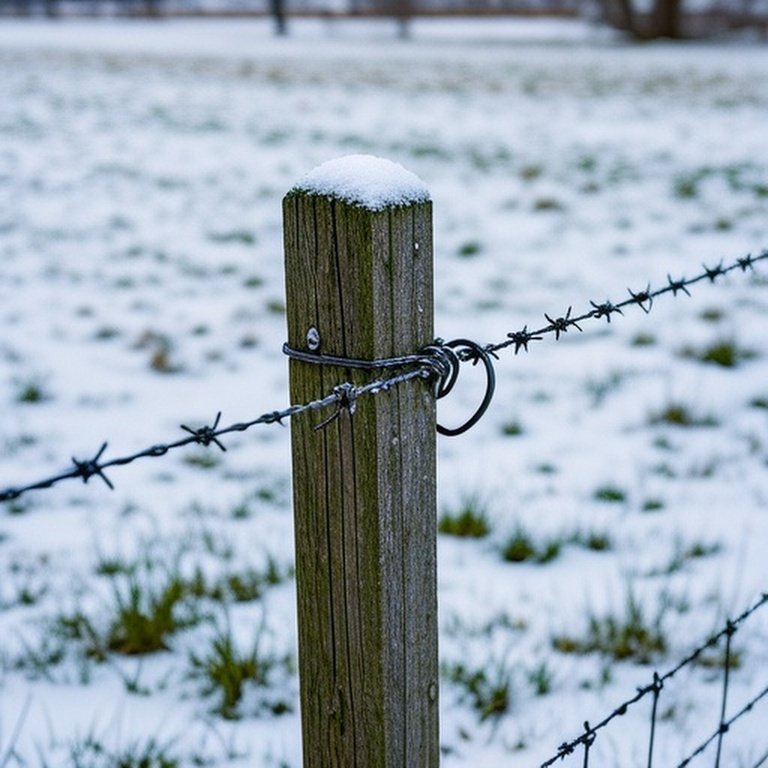
Fence wire is metal, and metal responds to temperature shifts through thermal expansion and contraction. Even small dimensional changes over long fence runs can significantly alter tension. A wire that feels perfectly tight in summer may become dangerously overstretched in winter.
Improperly managed seasonal tension leads to broken wires, pulled staples, leaning posts, and brace failure. In high-tensile systems especially, cold snaps can dramatically increase strain.
Understanding how temperature affects tension helps prevent structural damage, reduces maintenance, and ensures livestock containment year-round. Correct tension is not about maximum tightness—it is about controlled flexibility across seasons.
Key Factors to Consider
- Type of wire (high-tensile vs woven vs barbed)
- Length of fence run between braces
- Regional seasonal temperature range
- Presence of inline tensioners or springs
- Post and brace strength
Detailed Explanation
All steel wire expands when heated and contracts when cooled. On long fence runs, even minor expansion can create visible sagging during hot weather. Conversely, winter contraction increases tension and stress on posts and braces.
High-tensile wire is especially sensitive to seasonal shifts because it is installed under significant tension. In cold climates, tension may increase enough to crack corner posts or pull out staples. In extreme cases, wire can snap at weak connection points.
Woven wire behaves differently because its vertical stays distribute stress across the mesh. However, temperature still affects overall firmness. Hot summer days may create slight looseness, while freezing conditions stiffen the structure.
Proper installation anticipates these changes. Many installers tension wire at moderate temperatures rather than extreme heat or cold. Inline strainers or tension springs help absorb seasonal movement. The goal is balanced tension that allows expansion and contraction without structural failure.
How Cattle Behavior Interacts with Seasonal Tension
Cattle often lean more heavily against fences during certain seasons, especially when pasture quality changes. If winter contraction already increases wire tension, added livestock pressure can overload posts.
Maintaining correct tension prevents the fence from becoming brittle in cold weather.
Calves vs Mature Cattle Considerations
Calves test lower wires frequently. Summer sag may allow them to push under fencing.
Mature cattle apply broader pressure at mid-height. Excessively tight winter wires combined with livestock weight increase risk of post movement.
Terrain, Visibility, and Pressure Zones
Long straight runs amplify temperature effects because total expansion accumulates over distance.
Areas with extreme seasonal swings require stronger braces and possibly tension regulators.
When This Works Well
- Moderate initial tension is set during installation
- Inline tensioners are installed for adjustment
- Braces are reinforced in long runs
- Seasonal inspections are performed
When This Is Not Recommended
- Wire is installed at maximum tightness in cold weather
- No strainers or adjustment systems are used
- Extremely long runs lack intermediate bracing
- Posts are shallow-set in frost-prone soils
Alternatives or Better Options
High-Tensile with Tension Springs
Springs absorb contraction during cold weather and reduce stress on posts.
Shorter Fence Sections with Additional Braces
Reducing run length minimizes total expansion variation.
Woven Wire with Electric Offset
Electric offset reduces livestock pressure, lowering structural stress during seasonal changes.
Cost, Safety, and Practical Notes
Installing tensioners or springs adds minor upfront cost but prevents expensive post or brace failure. Seasonal adjustment takes minutes but can extend fence lifespan by years.
Never tighten wire during extreme cold unless tension is measured carefully. Cold contraction may already place the wire near structural limits.
Seasonal inspection—especially before winter—reduces emergency repairs.
Quick Takeaway
Temperature changes naturally alter fence wire tension. Install at moderate tension, reinforce braces, and use tensioners or springs to manage seasonal expansion and contraction safely.