Short Answer
To add cross fencing to an existing perimeter fence, start by evaluating your current boundary strength, then divide the interior using electric or semi-permanent fencing tied into corner or brace posts. Most producers use electric cross fencing because it is flexible, cost-effective, and easy to adjust as grazing needs change.
Why This Question Matters
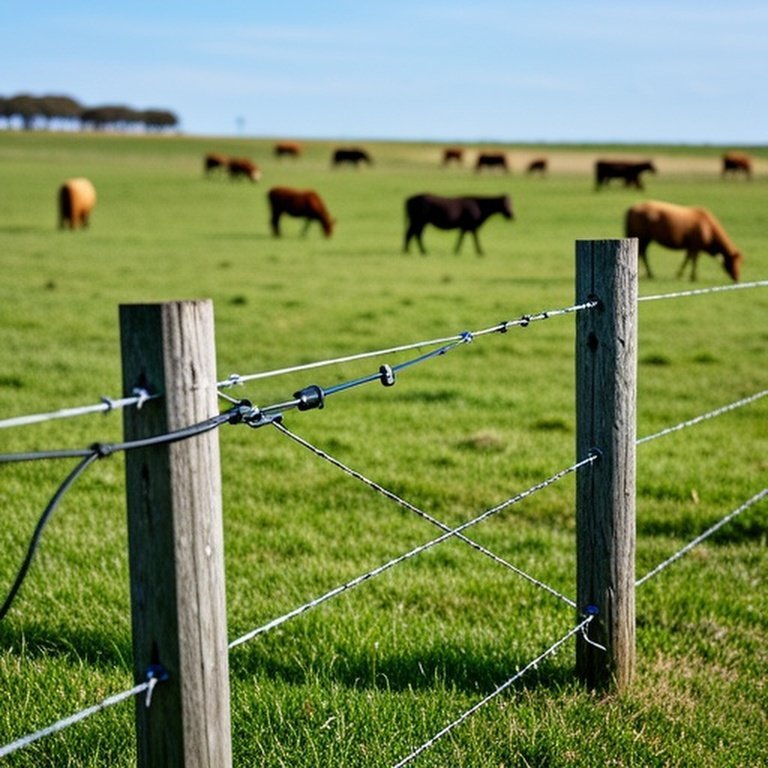
Many farms begin with a single perimeter fence and later transition to rotational grazing or herd management systems. Adding cross fencing increases pasture efficiency, improves forage recovery, and allows better livestock control—but only if done correctly.
Poorly integrated cross fencing can create weak connection points, voltage loss in electric systems, awkward livestock flow, and unnecessary long-term maintenance costs.
The goal is not just to divide the field, but to create functional paddocks that improve movement, access to water, and future expansion options.
Adding cross fencing the right way protects your original perimeter investment while building a scalable grazing system inside it.
Key Factors to Consider
- Strength and condition of the existing perimeter
- Desired paddock size and rotation frequency
- Electric power availability and grounding quality
- Water access and livestock movement patterns
- Long-term flexibility versus permanent layout
Detailed Explanation
The first step is assessing your existing perimeter fence. If it is strong and properly tensioned, it can serve as a solid anchor point for interior divisions. Corner and brace posts are ideal connection points for cross fencing. Avoid attaching high tension interior wires to weak line posts.
Next, determine paddock layout before installing any posts. Think about water access, natural slopes, shade, and how livestock will move between sections. Straight cross fences are easiest to build and maintain, but sometimes terrain dictates otherwise.
Electric fencing is usually the best interior option. It requires fewer posts, costs less per foot, and allows adjustments later. High-tensile electric is suitable for semi-permanent systems, while polywire and step-in posts work well for temporary divisions.
When connecting electric cross fencing to an energized perimeter, ensure voltage continuity. Use proper insulated connectors and avoid grounding issues caused by poor contact. Interior wires can either tie into the same energizer or operate on a separate system for management flexibility.
Finally, plan gates or openings carefully. Poorly placed gates disrupt livestock flow and increase daily labor. Central laneways often improve movement efficiency in rotational systems.
Adding cross fencing is not just installation—it is system design.
How Cattle Behavior Affects This Choice
Calm, electric-trained cattle adapt quickly to cross fencing. One or two strands of electric wire are often sufficient for interior divisions.
Excitable or newly introduced cattle may require stronger visual cues initially, such as poly tape or additional strands, until trained.
Calves vs Mature Cattle Considerations
Cow-calf operations often require lower interior wires to prevent calves slipping under.
Yearlings typically respond well to single-strand electric fencing once conditioned.
Terrain, Visibility, and Pressure Zones
High-traffic areas near water or mineral feeders may require stronger internal fencing.
Uneven terrain may need additional posts to maintain proper wire height and tension.
When This Works Well
- Transitioning from continuous grazing to rotational systems
- Farms with solid existing perimeter fencing
- Operations seeking flexible paddock sizes
- Producers managing forage recovery cycles
- Gradual infrastructure upgrades over time
When This Is Not Recommended
- Weak or failing perimeter fences
- No reliable electric power source
- Extremely rugged terrain without stable post placement
- Predator-heavy areas requiring stronger internal barriers
- Situations with minimal livestock supervision
Alternatives or Better Options
Install a Central Laneway System
Instead of dividing fields randomly, build a central lane from which paddocks branch off. This improves livestock flow and simplifies movement between grazing areas.
Semi-Permanent High-Tensile Cross Fencing
If paddock layout is unlikely to change, high-tensile electric with permanent posts provides durability with lower long-term maintenance.
Cost / Safety / Practical Notes
Cross fencing typically costs far less per foot than perimeter fencing, especially when electric systems are used. However, the energizer and grounding system must be adequate to power additional lines.
Improper grounding is the most common mistake when expanding electric systems. Voltage drops reduce effectiveness and animal respect for fencing.
Avoid overbuilding interior fencing at the start. Begin with essential divisions and expand gradually as grazing management improves.
Strategic planning saves money—moving posts later is far more expensive than careful layout design at the beginning.
Quick Takeaway
Adding cross fencing to an existing perimeter fence works best when you combine a strong boundary with flexible interior electric divisions. Plan layout first, anchor properly to strong posts, maintain good voltage, and design paddocks that improve livestock flow and pasture recovery.