Short Answer
To avoid fence disputes before installation, confirm your property boundary, follow local fence laws, place the fence clearly inside your boundary, and communicate plans early. Most disputes are prevented by accurate boundary verification and clear expectations before any posts are set.
Why This Question Matters
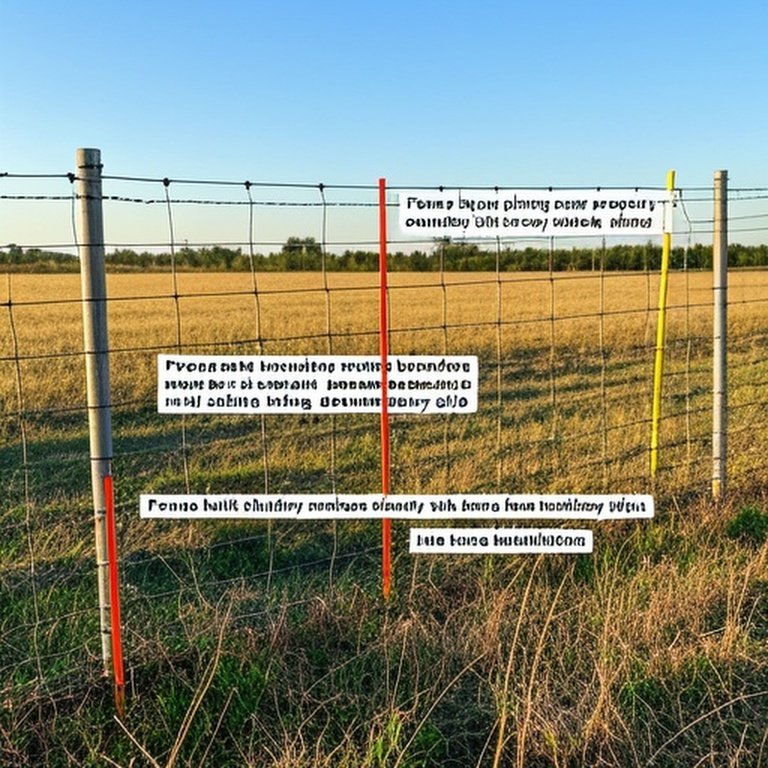
Most fence disputes are avoidable—and most start before the fence is built. Property owners often assume that “reasonable placement” or past use is enough, only to face objections once installation begins or finishes. Disputes can delay projects, force costly changes, or permanently damage neighbor relationships. For livestock owners, conflicts can also affect containment, safety, and daily operations. Taking preventive steps before installation costs far less than resolving disputes afterward and keeps control of the project in your hands.
Key Factors to Consider
- Accuracy of your property boundary
- Fence placement relative to the boundary line
- Local zoning and fence regulations
- Fence type and perceived impact on neighbors
- Timing and clarity of communication
Detailed Explanation
The most effective way to avoid disputes is to remove uncertainty before construction starts. Verifying the exact property boundary—ideally through a recent survey—eliminates the most common cause of conflict. Guessing based on old fences, landmarks, or online maps creates unnecessary risk.
Fence placement strategy matters just as much as accuracy. Building the fence clearly inside your property line avoids shared ownership assumptions and gives you full control. Even a small interior setback can prevent arguments about encroachment or responsibility.
Compliance with local laws is another preventive step. Fence height, materials, electrification, and setbacks can all trigger disputes if they violate local codes, especially in residential or mixed-use areas. A compliant fence is far easier to defend.
Finally, communication reduces surprise. Informing neighbors about planned placement—even when permission is not required—prevents misunderstandings and signals good faith. Disputes are far less likely when neighbors know what to expect before the first post goes in.
Boundary Confirmation as a Preventive Tool
Boundary disputes are rarely about intent—they are about uncertainty. A confirmed boundary provides neutral, defensible clarity. Even if neighbors never ask to see survey results, knowing they exist changes how disputes unfold. When boundaries are clear, conversations stay factual rather than emotional.
Fence Design and Perception
Fence disputes are not always about location. Height, materials, and visibility influence how neighbors react. A fence that feels aggressive, unsafe, or obstructive is more likely to be challenged—even if legally allowed. Designing with visibility, safety, and maintenance access in mind lowers dispute risk.
Timing and Project Transparency
Disputes often arise when neighbors discover a fence unexpectedly. Early notice allows concerns to surface before they become objections. Addressing questions during planning is far easier than responding to complaints after installation. Timing is a preventive tool, not a courtesy.
When This Works Well
- Property boundaries are verified in advance
- Fence placement includes a clear interior setback
- Local regulations are followed without exceptions
- Neighbors are informed before installation
When This Is Not Recommended
- Relying on assumptions or informal landmarks
- Building directly on the property line by default
- Ignoring zoning or permit requirements
- Starting construction without clear boundary confirmation
Alternatives or Better Options
Interior Fence Placement
Placing fences inside your boundary avoids shared ownership and simplifies future decisions.
Written Boundary or Fence Agreements
Simple written acknowledgments can prevent disputes when fences are close to boundaries.
Phased or Temporary Layouts
Marking fence lines before installation allows time for verification and discussion.
Cost / Safety / Practical Notes
Preventive planning typically costs far less than dispute resolution. Surveys, design adjustments, and early communication are minor expenses compared to relocation, legal fees, or livestock losses. Safety risks also increase when fences must be moved under pressure, especially with tensioned or electric wire. Practically, fences built with clarity and margin last longer, cost less to maintain, and remain dispute-free throughout their lifespan.
📍 Video Demonstration
Quick Takeaway
Fence disputes are easiest to avoid before installation—with clear boundaries, compliant design, and no surprises.