Short Answer
To install an in-line wire tensioner, cut the fence wire, feed both ends into the tensioner according to the manufacturer’s direction, and secure them firmly. Use a tensioning tool or wrench to rotate the mechanism until the wire is tight but not overstressed. Periodically adjust to maintain proper tension as temperatures change.
Why This Question Matters
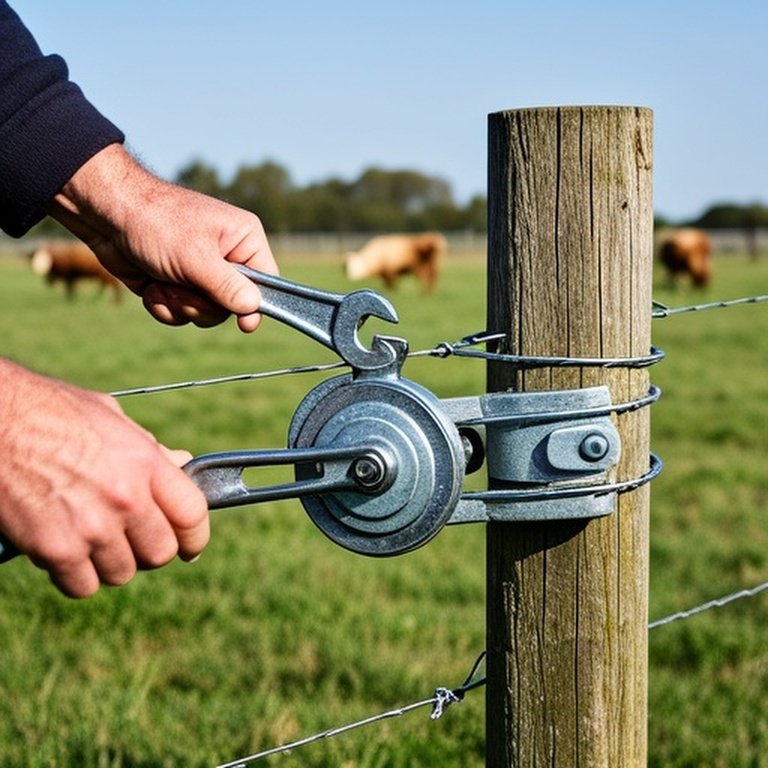
In-line wire tensioners are critical for maintaining consistent fence performance, especially in high-tensile and electric fencing systems. Without proper installation and adjustment, wires can sag, over-tighten, or fail under seasonal stress.
Improperly installed tensioners can slip, damage wire strands, or create uneven pressure along the fence line. Over-adjustment can cause post strain and breakage, while under-adjustment allows sagging and voltage loss in electric systems.
Understanding correct installation ensures balanced tension, structural longevity, and easier seasonal maintenance. A properly placed tensioner turns a rigid fence into an adjustable, resilient system that performs reliably over time.
Key Factors to Consider
- Type of wire (high-tensile steel vs aluminum vs polywire)
- Placement location between brace posts
- Directional installation orientation
- Seasonal temperature variation
- Availability of a proper tensioning tool
Detailed Explanation
In-line tensioners function as adjustable anchors within a wire run. Instead of stretching the entire fence from corner posts, tension is controlled at specific midpoints. This allows fine adjustments without dismantling large sections.
Installation begins by selecting a location roughly midway between brace assemblies. The wire is cut, and each end is inserted into the tensioner’s gripping channels or rollers. It is important to follow directional markings so tension pulls the wire into the gripping mechanism rather than away from it.
Once secured, a ratchet handle or wrench rotates the tensioner drum. As the drum turns, wire wraps around the internal spindle, gradually increasing tension. The goal is firm alignment without extreme rigidity. Over-rotation may damage wire coatings or overstress posts.
Periodic inspection is essential. Seasonal contraction in winter often requires loosening slightly, while summer expansion may require minor tightening. Properly installed tensioners simplify these adjustments and reduce strain on structural components.
How Cattle Behavior Affects This Choice
Cattle frequently lean or rub against fence lines. Properly tensioned wire resists sagging while allowing slight flexibility under pressure.
Tensioners make it easier to restore alignment after livestock contact without dismantling long fence sections.
Calves vs Mature Cattle Considerations
Calves may test lower wires by pushing or ducking under. Adjustable tension allows quick height correction.
Mature cattle exert greater force. Balanced tension prevents wire distortion while protecting posts from overload.
Terrain, Visibility, and Pressure Zones
Long straight fence runs benefit most from midline tensioners. Uneven terrain increases sag risk.
High-traffic areas near gates or water require more frequent inspection and minor adjustments.
When This Works Well
- Long fence runs between brace assemblies
- High-tensile steel wire systems
- Areas with wide temperature swings
- Systems requiring seasonal adjustment
When This Is Not Recommended
- Very short fence sections
- Temporary polywire systems without proper hardware
- Poorly braced corner posts
- Low-quality tensioners lacking locking mechanisms
Alternatives or Better Options
Spring-Loaded Tensioners
These absorb seasonal movement automatically, reducing manual adjustments.
Strainer Posts with End Tensioning
Best for shorter runs where midline adjustment is unnecessary.
Gripple-Style Connectors
Useful for repairs and small adjustments without full tensioner installation.
Cost, Safety, and Practical Notes
In-line tensioners are inexpensive compared to structural repairs caused by improper tension. However, installation requires proper tools to avoid slipping and hand injury.
Never overtighten while standing directly in line with the wire. Sudden breakage under tension can cause serious injury. Wear gloves and eye protection.
Routine seasonal checks reduce emergency repairs and extend overall fence lifespan.
Quick Takeaway
Install in-line tensioners midway between brace posts, secure wire correctly, and adjust gradually. Proper tension means firm alignment without rigidity. Regular seasonal adjustments maintain fence performance and protect structural components.