Short Answer
To install an electric fence, plan the fence layout, set posts at proper spacing, install insulators and wire, connect the fence to a correctly sized energizer, install a proper grounding system, and test voltage before livestock contact. A successful installation depends more on grounding and layout accuracy than on fence height or wire count.
Why This Question Matters
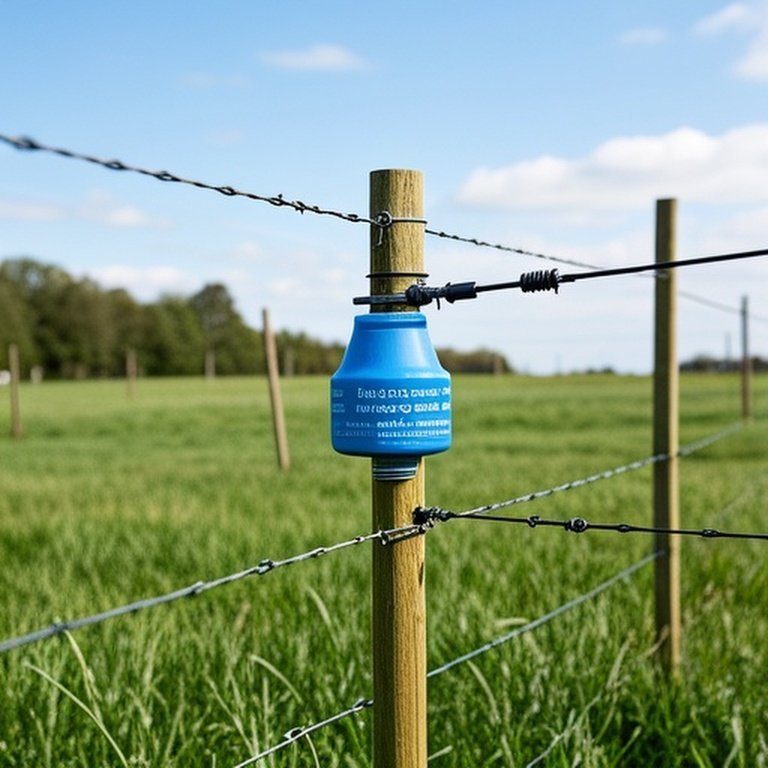
Electric fences fail more often because of poor installation than because of bad equipment. Many first-time installers focus on posts and wire but underestimate grounding, energizer placement, or layout planning. The result is a fence that looks complete but delivers weak or inconsistent shock. This question reflects a real need: people want a fence that works reliably from day one, not one that requires constant fixes. A correct step-by-step approach prevents livestock escapes, reduces maintenance, and avoids frustration caused by chasing electrical problems later.
Key Factors to Consider
- Fence purpose: perimeter containment or internal division
- Livestock type and pressure on the fence
- Energizer size relative to total fence length
- Grounding system quality and soil conditions
- Terrain, vegetation, and seasonal growth
Detailed Explanation
Installing an electric fence is a system process, not just a construction task. It begins with planning the fence route, deciding where gates, corners, and power access points will be. Straight runs reduce voltage loss and simplify tensioning, while tight corners and uneven terrain require additional planning.
Posts are set next, providing structure but not electrical function. Insulators are critical because they prevent energy loss into posts. Wire is then installed under consistent tension and connected in a continuous circuit. Breaks, poor connections, or loose splices reduce voltage across the entire fence.
The energizer is installed in a dry, protected location and connected to both the fence and the grounding system. Grounding is the most overlooked step and the most common cause of weak fences. Without adequate grounding, even the most powerful energizer cannot deliver an effective shock.
Once connected, the fence must be tested with a voltage tester before livestock exposure. Testing confirms not only energizer output but also identifies grounding issues, poor connections, or vegetation contact. A properly installed fence delivers consistent voltage along its entire length, not just near the charger.
Grounding Determines Fence Performance
No electric fence works without proper grounding. Multiple ground rods spaced correctly in moist soil are more important than adding extra fence wires.
Wire Count vs Fence Effectiveness
More wires do not guarantee better control. Correct wire height, tension, and voltage matter more than the number of strands.
Terrain and Layout Challenges
Slopes, corners, and gates require additional planning to prevent voltage loss and physical strain on wires.
When This Works Well
- Fence layout is planned before installation
- Energizer is oversized rather than undersized
- Grounding system matches fence size
- Vegetation is controlled from the start
When This Is Not Recommended
- Rushing installation without layout planning
- Skipping voltage testing before livestock contact
- Using minimal grounding in dry soil
- Expanding fence length without resizing system
Alternatives or Better Options
Professional Installation
Useful for large perimeter fences or complex terrain where errors are costly.
Temporary Electric Fencing
Ideal for rotational grazing and learning basic installation before permanent systems.
Hybrid Fence Systems
Combining electric wire with physical fencing improves reliability and animal training.
Cost / Safety / Practical Notes
Electric fences are relatively low-cost systems, but installation mistakes quickly erase savings. Investing time in grounding, layout planning, and testing reduces long-term maintenance and animal stress. From a safety standpoint, always disconnect power before working on the fence and clearly mark electric fences in public or shared areas. A correctly installed electric fence should be predictable, consistent, and easy to maintain.
📍 Video Demonstration
Quick Takeaway
A reliable electric fence is built by planning, grounding, and testing—not by adding more wire or stronger chargers.