Short Answer
You make an electric fence safer by using certified equipment, installing proper grounding, improving visibility, and maintaining the system regularly. Safety comes from controlled, predictable energy delivery—not higher voltage. Clear signage, correct placement, and routine inspection dramatically reduce risk for people, pets, and livestock while preserving fence effectiveness.
Why This Question Matters
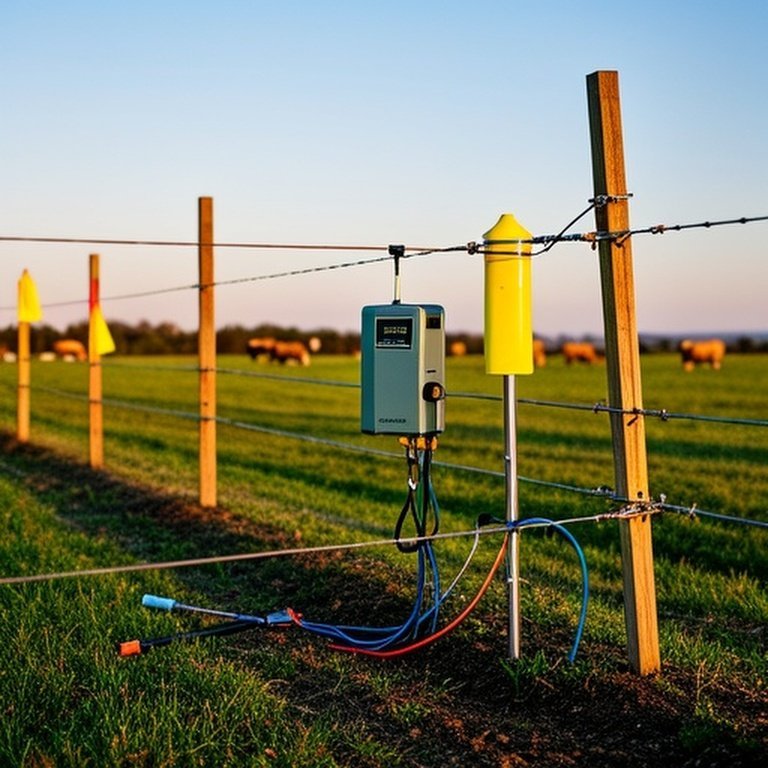
Electric fences are widely used because they are effective and efficient, but safety depends entirely on how they are designed and managed. Many safety incidents are not caused by electric fencing itself, but by shortcuts, poor planning, or neglect. This question matters because users often assume safety is about lowering voltage, when in reality it is about consistency, visibility, and system integrity. Knowing how to make an electric fence safer protects animals, people, property, and liability—without sacrificing performance or reliability.
Key Factors to Consider
- Use certified energizers with regulated pulse output
- Install and maintain proper grounding systems
- Improve fence visibility to prevent accidental contact
- Inspect and maintain components regularly
Detailed Explanation
Electric fence safety is achieved through system balance, not brute force. Certified energizers are designed to limit energy output and pulse duration, ensuring shocks remain startling rather than harmful. Using approved equipment is the foundation of safety, as improvised or modified power sources bypass built-in protections.
Grounding is the most overlooked safety factor. Poor grounding causes inconsistent shock behavior, which often leads users to compensate by increasing power. This creates unpredictability rather than safety. Proper ground rods, good soil contact, and routine testing ensure the fence performs consistently at safe energy levels.
Visibility is equally important. Many injuries and scares occur not because the shock is dangerous, but because contact is unexpected. Wide tape, flags, or visual markers help animals and people recognize boundaries before touching them. Clear visibility reduces panic reactions and accidental contact.
Maintenance ties everything together. Vegetation contact, cracked insulators, loose connections, or damaged wires change how energy flows through the system. Over time, small issues can turn a predictable fence into an erratic one. Regular inspection restores reliability and prevents users from compensating with unnecessary power increases. A safe electric fence is one that behaves the same way every time it is touched.
How Behavior and Use Affect Safety
Fence safety depends on how animals and people interact with it. Calm, trained livestock respect boundaries visually and rarely make contact. Panic, crowding, or unfamiliar environments increase contact risk regardless of voltage. Designing fences to allow easy retreat after contact improves safety more than electrical adjustments.
For people, safety improves when fences are clearly marked and logically placed. Paths, gates, and shared spaces require extra attention. Education and awareness reduce curiosity-driven contact, especially for children and visitors unfamiliar with electric fencing.
Matching Fence Design to Size and Age
Smaller animals and young livestock require less shock for effective training. Using the same setup designed for large animals can increase stress without benefit. Adjusting wire height, spacing, and visibility often improves safety more than reducing power.
Larger or thicker-skinned animals may require higher voltage, but this remains safe when energizers are properly rated. Matching design to use case prevents unnecessary escalation.
Terrain, Visibility, and Pressure Zones
Uneven terrain, corners, and gates concentrate movement and contact. These pressure zones benefit from additional visibility, stronger posts, and cleaner layout. Wet or dry soil affects grounding quality and should be considered during installation.
Good planning reduces the need for higher power and improves both safety and reliability across seasons.
When This Works Well
- Certified equipment installed to manufacturer standards
- Fence lines kept visible and well marked
- Grounding tested and maintained regularly
- Layout designed to reduce panic and crowding
When This Is Not Recommended
- Improvised or modified power sources
- Poor grounding compensated by higher voltage
- Hidden wires in high-traffic areas
- Systems left uninspected for long periods
Alternatives or Better Options
In high-risk or high-traffic areas, combining electric fencing with physical barriers improves safety. Mesh, wood, or flexible rail systems provide visibility and separation while electric offsets maintain deterrence.
For temporary needs, portable fencing with lower output can be safer during training or seasonal use. These options trade permanence for adaptability and peace of mind.
Cost, Safety, and Practical Notes
Making an electric fence safer usually costs less than fixing a safety incident. Ground rods, warning signs, visibility tape, and proper insulators are inexpensive compared to medical, legal, or livestock losses. Spending more on voltage or larger energizers rarely improves safety.
Practically, safety improves with consistency. A fence that delivers predictable, regulated pulses builds trust and respect. Long-term safety comes from thoughtful design, routine inspection, and resisting the urge to overpower systems instead of fixing root causes.
Professional Safety Tips and Best Practices
Quick Takeaway
Electric fence safety comes from good design, visibility, grounding, and maintenance—not higher voltage. A predictable fence is a safe fence.